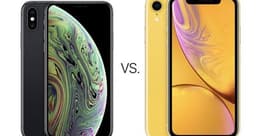
iPhone SE (2020) vs iPhone XR

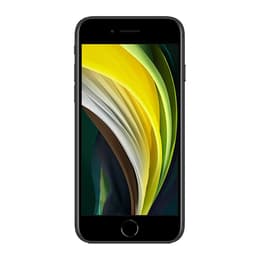
iPhone SE (2020)
iPhone SE (2020)
Starting at

Refurbished price:A$108.00

Versus A$529.00 new

See options
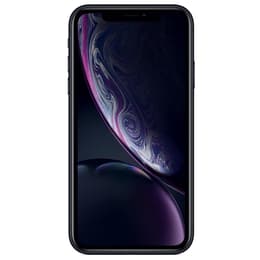
iPhone XR
iPhone XR
Starting at

Refurbished price:A$205.00

Versus A$589.00 new

See options

Ratings

The iPhone SE 2020 and the iPhone XR are two distinct Apple smartphones, released in April 2020 and October 2018, respectively. While both devices run on Apple's iOS operating system, they offer different form factors and internal specifications. The iPhone SE 2020 features a more compact design with a physical home button, whereas the iPhone XR presents a larger, all-screen design with Face ID. This comparison will delve into their practical differences to help users determine which device aligns best with their needs.

Scores

Durability

The longevity of a smartphone is influenced by its release date and subsequent software support. The iPhone XR was released in October 2018, while the iPhone SE 2020 followed in April 2020.

  • Software Updates: The iPhone SE 2020, being newer, is expected to receive iOS updates for approximately one year longer than the iPhone XR, extending its software lifespan. Both devices are compatible with iOS versions up to and including iOS 18.
  • Physical Durability: Both models feature glass front and back designs with an aluminum frame. The iPhone XR has an IP67 rating for water and dust resistance, allowing submersion up to 1 meter for 30 minutes, a feature also present in the iPhone SE 2020.
  • Repairability: The iPhone XR received a repairability score of 6 out of 10 from iFixit, indicating it is moderately repairable, with common repairs like display and battery replacements being relatively straightforward.

Release year

2020

2018

Compatible with latest Update

Yes

Yes

Operating system

iOS

iOS

Foldable

No

No

Performance

Performance is a key differentiator, impacting how smoothly applications run and how efficiently the device handles demanding tasks.

  • Processing Power: The iPhone SE 2020 is equipped with a newer generation processor, which translates to faster app loading times, smoother multitasking, and more responsive performance in graphically intensive games compared to the iPhone XR.
  • Battery Behavior: The iPhone XR generally offers a longer battery life for typical usage, with some tests indicating it can last significantly longer on a single charge than the iPhone SE 2020, especially during continuous web browsing or video playback. The iPhone SE 2020 has a smaller battery capacity, which may require more frequent charging for heavy users.
  • Storage Options: Both devices were available with similar storage configurations, typically including 64GB, 128GB, and 256GB, providing ample space for apps, photos, and videos.

Memory (GB)

3 GB

3 GB

Screen quality

The visual experience on these devices differs primarily due to their display size and design.

  • Display Technology and Size: The iPhone XR features a larger 6.1-inch Liquid Retina HD LCD display, offering an expansive viewing area with an all-screen design. The iPhone SE 2020 has a more compact 4.7-inch Retina HD LCD display, retaining the traditional iPhone design with bezels and a home button.
  • Resolution and Clarity: Both displays have a pixel density of 326 pixels per inch (ppi), providing clear and sharp visuals for everyday use. The iPhone XR has a resolution of 1792x828 pixels, while the iPhone SE 2020 has a resolution of 1334x750 pixels.
  • Brightness and Features: Both screens offer a typical maximum brightness of 625 nits, ensuring good visibility in various lighting conditions. They also support True Tone technology for automatic white balance adjustment and wide color (P3) for accurate color reproduction.

Resolution

750 x 1334

828 x 1792

Screen type

Retina IPS LCD

Liquid Retina IPS LCD

Audiovisual

Both smartphones are equipped with capable camera systems, though the newer model benefits from software enhancements.

  • Rear Camera System: Both the iPhone SE 2020 and iPhone XR feature a single 12-megapixel wide-angle rear camera with an f/1.8 aperture and optical image stabilization, capable of capturing detailed photos and 4K video recording at up to 60 frames per second.
  • Photography Features: The iPhone SE 2020, with its more advanced processor, benefits from computational photography features like Smart HDR and an enhanced Portrait mode with Depth Control, which can produce more refined results, especially in challenging lighting. The iPhone XR also offers Portrait mode with Depth Control and Smart HDR.
  • Front Camera: Both devices include a 7-megapixel front-facing camera with an f/2.2 aperture, supporting Portrait mode and 1080p HD video recording.

Main camera

12 megapixels

12 megapixels

Front camera

7 megapixels

7 megapixels

Miscellaneous

Beyond core features, several practical elements contribute to the overall user experience.

  • Biometric Security: The iPhone SE 2020 utilizes Touch ID, a fingerprint sensor integrated into the home button, for secure authentication. The iPhone XR employs Face ID, Apple's facial recognition system, for unlocking and secure payments.
  • Connectivity: Both phones support 4G LTE for cellular data. The iPhone SE 2020 supports Wi-Fi 6, offering potentially faster wireless speeds and better performance in congested networks compared to the iPhone XR's Wi-Fi 5. Both include Bluetooth 5.0 and NFC.
  • Physical Design and Handling: The iPhone SE 2020 is smaller and lighter, measuring 138.4 x 67.3 x 7.3 mm and weighing 148 grams, making it easier for one-handed use and pocketability. The iPhone XR is larger and heavier at 150.9 x 75.7 x 8.3 mm and 194 grams, providing a more substantial feel and a larger screen for media consumption.

Weight

148 oz

194 oz

Screen size (in)

4.7

6.1

Network

4G

4G

SIM card

Physical SIM + eSIM

Physical SIM + eSIM

Carrier compatibility

Unlocked

Unlocked

Connector

Lightning

Lightning

The iPhone SE 2020 and iPhone XR cater to different user preferences, primarily distinguished by their design, processing power, and battery life. Users often praise the iPhone SE 2020 for its compact form factor and the convenience of Touch ID, making it a preferred choice for those who favor a smaller device or a physical home button. Its newer processor also receives positive remarks for its smooth performance and extended software support.

Conversely, the iPhone XR is frequently lauded for its larger, all-screen display and superior battery endurance, which many users find beneficial for media consumption and extended daily use. Its Face ID system also offers a modern authentication experience. Some users, however, note its slightly older processor compared to newer models.

Users prioritizing a compact device with a modern processor and a physical home button will find the iPhone SE 2020 well-suited to their needs. Those who value a larger display, longer battery life, and Face ID, and don't require the absolute latest processing power, may lean toward the iPhone XR. Both devices remain viable options, especially when considering quality-assured refurbished alternatives, which offer a sustainable choice for consumers.
See all articles

Our recent comparisons