
Compare models

Galaxy A33 5G vs iPhone Air

  • 1-year warranty
  • Free standard shipping
  • Free 30-day returns
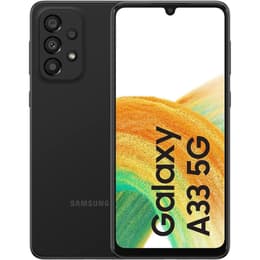
Galaxy A33 5G
Starting at

Refurbished price:A$178.00

Versus A$495.00 new

See options
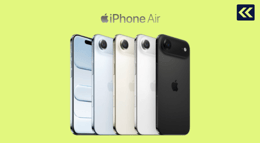
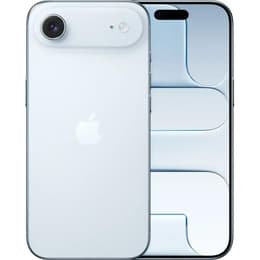
iPhone Air
Starting at

Refurbished price:A$1,061.00

Versus A$1,899.00 new

See options

Differences at a glance

The Samsung Galaxy A33 5G (2022) and the Apple iPhone Air (2025) represent two distinct approaches to smartphone design, bridging different release years and operating ecosystems. While the Galaxy A33 5G focuses on delivering core everyday features within the Android platform, the iPhone Air emphasizes a remarkably slim profile and high-end processing power running on iOS. These devices cater to distinct user expectations regarding daily utility, software environments, and physical form factors.

Available Models

Colour

Storage (GB)

Scores

Durability

Both smartphones provide long-term software support frameworks, though their release timelines place them at different stages of their respective product lifecycles.

  • Software support duration: The Galaxy A33 5G benefits from an extended multi-year update commitment covering multiple operating system upgrades, while the iPhone Air launches with long-term iOS support designed to span many years of future updates.
  • Repairability and build maintenance: Both models incorporate durable outer materials and structured internal layouts that facilitate standard component servicing through authorized channels.
  • Expected practical lifespan: Hardware longevity depends heavily on individual usage patterns, with modern component efficiency ensuring both devices remain functional for standard daily communication and media tasks over several years.

Release year

2022

2025

Compatible with latest Update

Yes

Yes

Operating system

Android

iOS

Foldable

No

No

Performance

Daily operation and multitasking capabilities differ due to the underlying hardware generations and system architectures of each device.

  • App loading and multitasking: The iPhone Air handles demanding graphics and resource-heavy software smoothly thanks to its current-generation processing architecture and ample memory capacity, whereas the Galaxy A33 5G reliably manages standard messaging, web browsing, and casual apps.
  • Battery behavior: The Galaxy A33 5G features a large capacity cell that easily sustains a full day of mixed usage, while the iPhone Air relies on power-efficient hardware design to balance its slender physical profile with daily endurance requirements.
  • Storage configurations: Both options offer ample internal space for applications, photographs, and media files, accommodating diverse user storage needs without system slowdowns.

Screen quality

Viewing experiences vary noticeably across display technologies, refresh rates, and maximum brightness thresholds.

  • Display technology: Both models utilize vibrant OLED panel technology that delivers deep black levels, high contrast ratios, and vivid color reproduction for everyday viewing.
  • Refresh rate and smoothness: The iPhone Air incorporates a high adaptive refresh rate reaching up to 120 Hz for fluid scrolling and motion, while the Galaxy A33 5G operates at a stable 90 Hz refresh rate.
  • Outdoor visibility: High peak brightness capabilities on the iPhone Air assist with legibility under direct sunlight, while the Galaxy A33 5G maintains clear visibility during typical outdoor conditions.

Resolution

1080 x 2400

2736x1260

Screen type

Super AMOLED

Super Retina XDR

Audiovisual

Imaging hardware and media playback features reflect different design priorities for photography and audio output.

  • Camera versatility: The Galaxy A33 5G features a multi-lens rear array including ultra-wide and macro options for diverse framing, while the iPhone Air focuses on a streamlined single high-resolution main camera system supported by advanced computational processing.
  • Video and low-light capture: Both devices record stable high-definition video and capture clear details in dim environments through integrated stabilization features.
  • Audio output: Integrated speaker configurations deliver clear sound for hands-free calls, casual video viewing, and audio playback.

Main camera

48 megapixels

48 megapixels

Front camera

13 megapixels

18 megapixels

Miscellaneous

Physical dimensions, connectivity standards, and daily handling characteristics set these two smartphones apart.

  • Handling and dimensions: The iPhone Air highlights an ultra-thin profile and lightweight titanium-infused build for effortless pocketability, whereas the Galaxy A33 5G offers a slightly thicker, traditional form factor with a comfortable grip.
  • Connectivity and ports: Both models support rapid 5G cellular networks, modern Wi-Fi protocols, and universal USB-C connectivity for charging and data transfer.
  • Durability ratings: Each smartphone includes robust dust and water resistance certifications to safeguard against accidental spills or environmental exposure.

Weight

186 oz

165 oz

Screen size (in)

6.4

6.5

Network

5G

5G

SIM card

Physical SIM

eSIM

Carrier compatibility

Unlocked

Unlocked

What the community thinks

User discussions across public forums often highlight the Samsung Galaxy A33 5G for its dependable battery endurance and balanced everyday capability, while frequent feedback for the iPhone Air centers on its remarkable physical thinness and responsive operating system. Some users note that the slim profile of the iPhone Air leaves less room for physical grip, whereas Galaxy A33 5G owners occasionally mention a desire for faster loading speeds during heavy tasks.

Users prioritizing a lightweight, ultra-slim device with high refresh-rate visuals and advanced software integration will find the iPhone Air well-suited to their preferences. Conversely, users seeking a dependable daily device with reliable battery longevity within the Android ecosystem may lean toward the Galaxy A33 5G. For those exploring sustainable purchasing routes, opting for a quality-assured refurbished option provides a practical way to acquire either model while supporting eco-friendly consumption choices.