
Galaxy Z Fold6 vs Motorola Edge 30 Fusion

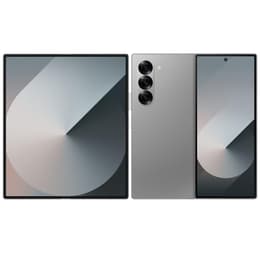
Galaxy Z Fold6
Galaxy Z Fold6
Starting at

Refurbished price:A$1,088.24

Versus A$2,749.00 new

See options
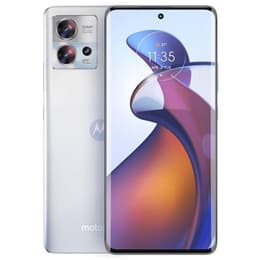
Motorola Edge 30 Fusion
Starting at

Refurbished price:A$257.46

Versus A$1,352.00 new

See options

The Samsung Galaxy Z Fold6 and the Motorola Edge 30 Fusion represent distinct approaches to smartphone design and functionality. The Galaxy Z Fold6, released in July 2024, is a foldable device that transforms from a traditional smartphone into a larger tablet-like experience. In contrast, the Motorola Edge 30 Fusion, launched in September 2022, is a conventional, slim, and lightweight smartphone. These differences in form factor and release timeline lead to variations in their core specifications and target user experiences, particularly concerning display technology, processing power, and software longevity.

Scores

Durability

The expected lifespan and software support differ significantly between these two devices, primarily due to their release dates and manufacturer policies.

  • Release Timeline: The Galaxy Z Fold6 was released in July 2024, making it a much newer device compared to the Motorola Edge 30 Fusion, which launched in September 2022. This age difference directly impacts their remaining software support and overall practical lifespan.
  • Software Longevity: Samsung offers an extensive software support policy for the Galaxy Z Fold6, promising seven years of operating system updates and security patches. This means the device is expected to receive updates through at least 2032, ensuring long-term functionality and security. The Motorola Edge 30 Fusion, having launched with Android 12, received two major OS upgrades (Android 13 and Android 14) and was promised three years of security patches, which likely concluded around September 2025.
  • Physical Durability: The Galaxy Z Fold6 features an IP48 rating for dust and water resistance, an improvement over previous foldable models, and utilizes Corning Gorilla Glass Victus 2 on its cover screen and back panel, alongside an Armor Aluminum frame. The Motorola Edge 30 Fusion has an IP52 rating for dust and splash resistance and uses Corning Gorilla Glass 5 for its front and back panels, with an aluminum frame. The foldable nature of the Z Fold6 introduces a hinge mechanism, which is a point of engineering complexity, though Samsung has continuously refined its design.

Release year

2024

2022

Compatible with latest Update

Yes

Yes

Operating system

Android

Android

Foldable

Yes

No

Performance

Performance capabilities are a key differentiator, largely influenced by the generation of their respective processors and the demands of their operating systems.

  • Processing Power: The Galaxy Z Fold6 is equipped with a current-generation processor, the Qualcomm Snapdragon 8 Gen 3 for Galaxy, designed to handle demanding applications and multitasking with high efficiency. This allows for smooth operation across its dual-screen interface and intensive tasks. The Motorola Edge 30 Fusion features the Qualcomm Snapdragon 888+ 5G processor, which was a flagship-tier chipset at its release but is now several generations older. While still capable for everyday use, it offers less performance headroom for future applications and heavy workloads compared to the Z Fold6.
  • Multitasking and Responsiveness: The Galaxy Z Fold6 comes with 12 GB of RAM, providing ample capacity for running numerous applications simultaneously and switching between them fluidly, especially beneficial for its large internal display. The Motorola Edge 30 Fusion is available with 8 GB or 12 GB of RAM, which supports competent multitasking for a traditional smartphone form factor.
  • Storage Options: The Galaxy Z Fold6 offers storage configurations of 256 GB, 512 GB, or 1 TB, providing extensive space for files and applications. The Motorola Edge 30 Fusion is available with 128 GB, 256 GB, or 512 GB of internal storage, but it does not support expandable storage.

Memory (GB)

12 GB

8 GB

Screen quality

The display experience is a primary distinction, with the Galaxy Z Fold6 offering a unique foldable design and both devices providing vibrant visuals.

  • Display Technology and Size: The Galaxy Z Fold6 features two Dynamic AMOLED 2X displays: a 6.3-inch cover screen and a 7.6-inch foldable main screen. This allows users to choose between a compact phone experience and an expansive tablet-like view. The Motorola Edge 30 Fusion has a single 6.55-inch P-OLED display with curved edges.
  • Resolution and Clarity: The Z Fold6's cover display offers a resolution of 2376 x 968 pixels, while its main display has 2160 x 1856 pixels, both providing sharp and detailed visuals. The Edge 30 Fusion's display features a Full HD+ resolution of 1080 x 2400 pixels, which delivers clear images for its size.
  • Brightness and Refresh Rate: Both devices offer high refresh rates for smooth scrolling and responsiveness. The Galaxy Z Fold6's displays feature an adaptive 120Hz refresh rate and can reach a peak brightness of 2600 nits, ensuring excellent visibility even in bright outdoor conditions. The Motorola Edge 30 Fusion boasts a 144Hz refresh rate and a peak brightness of 1100 nits, providing a fluid visual experience and good outdoor legibility.

Resolution

1856 x 2160

1080 x 2400

Screen type

Foldable Dynamic LTPO AMOLED 2X

P-OLED

Audiovisual

Both smartphones offer capable camera systems, though their configurations and advanced features cater to different photographic needs.

  • Rear Camera Systems: The Galaxy Z Fold6 is equipped with a versatile triple rear camera setup, including a 50 MP wide-angle lens with optical image stabilization (OIS), a 12 MP ultra-wide lens, and a 10 MP telephoto lens with 3x optical zoom and OIS. This combination provides flexibility for various shooting scenarios, from expansive landscapes to distant subjects. The Motorola Edge 30 Fusion features a triple rear camera system with a 50 MP wide-angle lens (OIS), a 13 MP ultra-wide lens, and a 2 MP depth sensor. It lacks a dedicated telephoto lens, relying on digital zoom for magnification.
  • Front-Facing Cameras: For selfies and video calls, the Galaxy Z Fold6 has a 10 MP camera on its cover screen and a 4 MP under-display camera on its main foldable screen. The Motorola Edge 30 Fusion offers a higher resolution 32 MP front-facing camera.
  • Video Recording and Features: The Z Fold6 supports video recording up to 8K at 30 frames per second and 4K at 60 frames per second, along with advanced features like Nightography and Pro mode. The Edge 30 Fusion also supports 8K video recording at 30 frames per second with its main camera and 4K with its ultra-wide, offering good quality for video content creation.

Main camera

50 megapixels

50 megapixels

Front camera

4 megapixels

32 megapixels

Miscellaneous

Beyond core specifications, several practical elements contribute to the overall user experience and differentiate these devices.

  • Connectivity and Ports: Both devices support 5G connectivity, ensuring fast mobile data speeds. The Galaxy Z Fold6 includes Wi-Fi 6E and Bluetooth 5.3, while the Motorola Edge 30 Fusion supports Wi-Fi 6 and Bluetooth 5.2. Both utilize a USB-C port for charging and data transfer. The Edge 30 Fusion supports dual SIMs, and neither device includes a traditional 3.5mm headphone jack.
  • Biometric Security and Audio: The Galaxy Z Fold6 offers face recognition and a side-mounted fingerprint sensor. The Motorola Edge 30 Fusion features an in-display fingerprint reader for secure unlocking. For audio, the Edge 30 Fusion includes stereo speakers with Dolby Atmos support, providing an immersive listening experience. The Z Fold6 also features stereo speakers.
  • Dimensions, Weight, and Handling: The Galaxy Z Fold6, being a foldable device, has distinct dimensions when folded (153.5 x 68.1 x 12.1 mm) and unfolded (153.5 x 132.6 x 5.6 mm), weighing 239 grams. Its design allows for a larger screen in a portable format. The Motorola Edge 30 Fusion is a slim and lightweight traditional smartphone, measuring 158.48 x 71.99 x 7.45 mm and weighing 175 grams, offering comfortable one-handed use.

Weight

239 oz

168 oz

Screen size (in)

7.6

6,55

Network

5G

5G

SIM card

Dual Physical SIM + eSIM

Dual Physical SIM

Carrier compatibility

Unlocked

Unlocked

The Samsung Galaxy Z Fold6 and the Motorola Edge 30 Fusion cater to different user preferences and priorities, largely defined by their form factors and release timelines.

Users often praise the Galaxy Z Fold6 for its innovative foldable design, which offers the versatility of a large tablet-like display in a pocketable form. Its powerful processing capabilities and extended software support are frequently highlighted as significant advantages, ensuring the device remains capable and secure for many years. Criticisms sometimes revolve around its weight and thickness when folded, and the inherent complexities of a foldable screen compared to traditional displays. The camera system, while competent, is sometimes noted as not reaching the absolute peak performance of Samsung's non-foldable flagship phones.

The Motorola Edge 30 Fusion is generally well-regarded for its sleek and lightweight design, vibrant P-OLED display with a high refresh rate, and fast charging capabilities. Users appreciate its near-stock Android experience and solid performance for everyday tasks. Common concerns for the Edge 30 Fusion often relate to its shorter software update commitment compared to newer devices and the absence of wireless charging.

Users prioritizing cutting-edge technology, a versatile large screen experience for productivity and media consumption, and long-term software support will find the Galaxy Z Fold6 well-suited to their needs. Its advanced processor and robust durability features also appeal to those seeking a premium, future-proof device. Conversely, individuals who prefer a traditional, slim, and lightweight smartphone with a fast, fluid display and rapid wired charging for daily use may lean towards the Motorola Edge 30 Fusion. It offers a strong balance of features for a conventional form factor.

For those considering either device, exploring quality-assured refurbished options can provide an eco-friendly alternative, extending the life cycle of these technologies and offering a sustainable choice.


See all articles

Our recent comparisons