Compare models
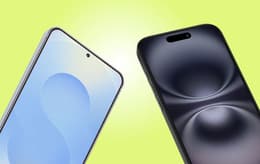
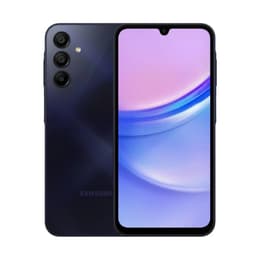
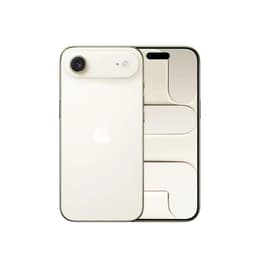
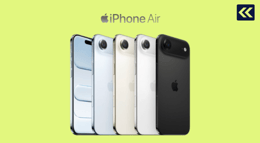
Galaxy A15 5G vs iPhone Air
- 1-year warranty
- Free standard shipping
- Free 30-day returns
Differences at a glance
The Samsung Galaxy A15 5G (2023) and the Apple iPhone Air (2025) represent entirely different approaches to modern mobile technology, spanning distinct release years and operating ecosystems. While the Galaxy A15 5G focuses on delivering everyday essentials running on Android, the iPhone Air introduces a lightweight, ultra-thin profile operating on iOS. These devices cater to different user expectations regarding hardware philosophy, software environments, and daily interaction.
Available Models
Colour
Storage
Scores
Durability
When examining longevity and durability, both smartphones offer distinct software support timelines and build characteristics influenced by their respective launch windows.
- Software Support and Updates: The iPhone Air benefits from a newer release timeline, ensuring prolonged operating system upgrades and security patches, whereas the Galaxy A15 5G operates within a structured multi-year update window established at its launch.
- Build Integrity: The iPhone Air utilizes titanium framing and reinforced glass shielding, while the Galaxy A15 5G employs a durable plastic frame and back panel designed to withstand standard wear and tear.
- Expected Lifespan: Both models provide reliable long-term usability, though users seeking extended software relevance will find the newer launch profile of the Apple device advantageous.
Release year
2023
2025
Compatible with latest Update
Yes
Yes
Operating system
Android
iOS
Foldable
No
No
Performance
System responsiveness and daily execution capabilities vary significantly due to hardware architecture and operating system optimization.
- Multitasking and App Execution: The iPhone Air handles demanding applications, intensive gaming, and background processes smoothly with its high-end configuration, while the Galaxy A15 5G manages everyday tasks like web browsing, social media, and streaming with reliable stability.
- Storage Configurations: The iPhone Air starts with larger baseline storage capacities, whereas the Galaxy A15 5G offers expandable storage via a microSD card slot for media management.
- Battery Behavior: The Galaxy A15 5G features a larger physical battery capacity paired with an efficient processor to comfortably sustain moderate daily use, whereas the slimmer profile of the iPhone Air requires more frequent charging under heavy workloads.
Screen quality
Visual output and display technologies differ in brightness, fluidity, and overall media consumption characteristics.
- Display Technology: The iPhone Air incorporates an advanced OLED panel with adaptive refresh rates reaching higher fluid thresholds, while the Galaxy A15 5G features a vibrant Super AMOLED screen with a fixed high refresh rate for smooth scrolling.
- Outdoor Visibility: The iPhone Air achieves exceptionally high peak brightness levels for clear legibility in direct sunlight, whereas the Galaxy A15 5G offers dependable outdoor visibility through dedicated brightness enhancement modes.
- Viewing Experience: Both devices deliver sharp resolutions and accurate color reproduction, making them well-suited for watching videos and viewing photographs.
Resolution
1080x2340
2736x1260
Audiovisual
Optics and audio output capabilities cater to different multimedia and communication preferences.
- Camera Systems: The iPhone Air relies on a streamlined single-lens high-resolution camera setup supported by advanced computational photography, whereas the Galaxy A15 5G utilizes a versatile multi-lens rear array including ultra-wide and macro options.
- Video and Low Light: The iPhone Air produces detailed low-light captures and stable video recordings, while the Galaxy A15 5G provides adequate performance for casual snapshots and standard definition video capture.
- Audio Output: Both smartphones feature capable built-in speakers for hands-free calls and media playback, though neither includes a traditional headphone jack.
Front camera
13 megapixels
18 megapixels
Miscellaneous
Physical dimensions, connectivity standards, and daily handling characteristics define the practical experience of each device.
- Design and Handling: The iPhone Air emphasizes an exceptionally thin and lightweight titanium build, whereas the Galaxy A15 5G features a slightly thicker, traditional plastic form factor that provides a secure grip.
- Connectivity: Both models support modern 5G cellular networks, Wi-Fi standards, and Bluetooth, ensuring fast data transmission and accessory pairing.
- Security and Ports: The iPhone Air utilizes facial recognition technology alongside a USB-C connection, while the Galaxy A15 5G incorporates a side-mounted fingerprint sensor for biometric unlocking alongside standard charging ports.
Weight
200 oz
165 oz
Screen size (in)
6.5
6.5
Network
5G
5G
SIM card
Physical SIM
eSIM
Carrier compatibility
Unlocked
Unlocked
What the community thinks
User discussions across community forums highlight distinct preferences for each device based on daily habits and ecosystem loyalty. Owners of the Galaxy A15 5G frequently praise its dependable battery longevity, expandable storage flexibility, and everyday reliability for basic tasks. Conversely, users of the iPhone Air commend its exceptionally slim profile, premium materials, and fluid system performance. Criticisms for the Samsung model typically center on modest gaming performance and basic camera capabilities in challenging lighting, while observers note that the ultra-slim design of the Apple device necessitates a smaller battery capacity.
Users prioritizing a lightweight form factor, advanced display brightness, and an iOS environment will find the iPhone Air well-suited to their needs. Meanwhile, users prioritizing expanded storage flexibility, traditional build durability, and an Android interface may lean toward the Galaxy A15 5G. For buyers exploring sustainable alternatives, choosing a quality-assured refurbished option provides an eco-friendly path to acquiring either device without compromising on functional performance.