
Compare models
Google Pixel 10 vs iPhone 17e
- 1-year warranty
- Free standard shipping
- Free 30-day returns
Differences at a glance
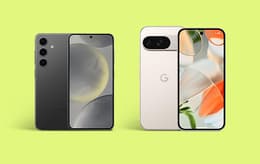
The Google Pixel 10 (2025) and the Apple iPhone 17e (2026) represent two distinct approaches to contemporary smartphone design, offering users tailored entry points into the Android and iOS ecosystems. While the Google Pixel 10 focuses on versatile multi-lens photography and a smooth high-refresh-rate display, the iPhone 17e emphasizes streamlined efficiency and seamless integration within the Apple software environment. Each device balances everyday capability with modern connectivity standards, catering to distinct platform preferences without overcomplicating daily interactions.
Available Models
Colour
Storage (GB)
Scores
Durability
Long-term software support and hardware durability shape how each device handles years of daily use, with both manufacturers providing robust update frameworks.
- Software Support Timelines: The Google Pixel 10 provides long-term operating system updates spanning multiple years, matching the extended support window typical of recent software cycles. The iPhone 17e follows Apple's standard multi-year update path, ensuring timely security patches and feature upgrades.
- Repairability and Build Quality: Both models utilize sturdy aluminum and reinforced glass structures designed to withstand typical wear and tear, paired with high-level dust and water resistance ratings for everyday protection.
- Expected Lifespan: Robust battery management software and efficient processing hardware ensure that both smartphones maintain dependable performance levels over several years of regular operation.
Release year
2025
2026
Operating system
Android
iOS
Foldable
No
No
Performance
Daily responsiveness and multitasking capabilities depend on efficient internal architecture, ample memory capacity, and well-optimized software environments.
- App Loading and Multitasking: Both devices handle demanding applications, heavy browsing sessions, and background tasks smoothly without noticeable stutter or lag during regular use.
- Battery Behavior: The Google Pixel 10 features a larger battery capacity that accommodates intensive daily workflows, whereas the iPhone 17e relies on deep hardware-software optimization to stretch endurance across a full day.
- Storage and Memory: Generous base memory allocations on both models allow users to switch between multiple open apps fluidly, supplemented by ample internal storage options for media files and applications.
Screen quality
Display characteristics directly impact visual comfort, outdoor legibility, and the overall media consumption experience for everyday users.
- Display Technology: The Google Pixel 10 utilizes an OLED panel with deep contrast levels and vibrant color reproduction, matching the sharp OLED screen found on the iPhone 17e.
- Brightness and Outdoor Legibility: Both screens feature high peak brightness modes that maintain clear readability under direct sunlight or bright ambient lighting conditions.
- Refresh Rate and Smoothness: The Google Pixel 10 supports a high refresh rate for fluid scrolling animations, while the iPhone 17e employs standard refresh mechanics optimized for visual stability and battery conservation.
Resolution
1080x2424
2532 x 1170
Audiovisual
Imaging hardware and audio-visual output cater to different content creation habits and media playback preferences.
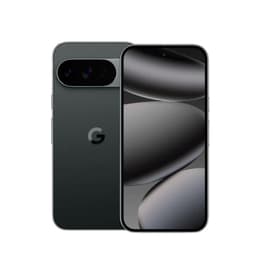
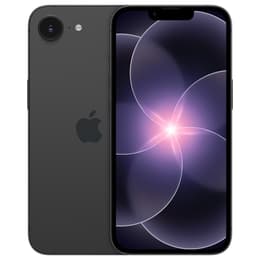
- Camera System Capabilities: The Google Pixel 10 incorporates a flexible multi-lens rear setup including a dedicated telephoto zoom lens, whereas the iPhone 17e focuses on a streamlined single main camera backed by advanced computational image processing.
- Video Recording: Both smartphones capture sharp, stabilized video footage in various lighting conditions, accompanied by clear audio pickup from integrated microphone arrays.
- Media Playback: Built-in stereo speaker systems deliver balanced audio output for hands-free calls, casual video viewing, and podcast listening.
Miscellaneous
Physical dimensions, accessory compatibility, and connectivity standards dictate how comfortably each device integrates into daily routines.
- Connectivity and Charging: Both models support 5G network speeds, modern Wi-Fi protocols, and fast wireless charging standards, with the iPhone 17e introducing magnetic accessory attachment capabilities.
- Physical Handling: The Google Pixel 10 features a slightly wider form factor with a distinctive camera bar, while the iPhone 17e offers a more compact, lightweight profile suited for single-handed use.
- Biometric Security: Secure authentication is handled via responsive facial recognition technology or fingerprint sensors embedded directly into the hardware design.
Weight
204 oz
169 oz
Screen size (in)
6.3
6.1
Network
5G
5G
SIM card
Physical SIM + eSIM
eSIM
Carrier compatibility
Unlocked
Unlocked
What the community thinks
User discussions often highlight the Google Pixel 10 for its versatile multi-lens camera system and smooth high-refresh-rate display, though some users note that its distinct camera bar design adds thickness to the back panel. Conversely, the iPhone 17e receives praise for its streamlined operating system and reliable battery efficiency, while critics occasionally point out the absence of an ultra-wide secondary lens. Choosing between these devices ultimately depends on individual platform preference and hardware priorities.
Users who prioritize flexible zoom photography and customizable software interfaces will find the Google Pixel 10 well-suited to their needs, while those who favor a compact form factor and the Apple ecosystem may lean toward the iPhone 17e. For consumers exploring sustainable technology alternatives, a quality-assured refurbished option provides an eco-friendly path to owning either device without compromising on performance or reliability. Reviewing these practical trade-offs allows buyers to select the smartphone that best aligns with their everyday routines.