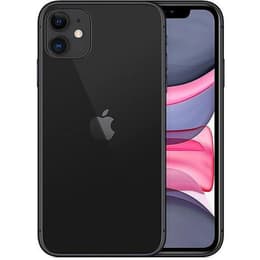
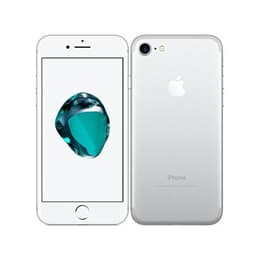

iPhone 11 vs iPhone 7

iPhone 11
iPhone 11
Starting at

Refurbished price:A$269.00

Versus A$769.00 new

See options
iPhone 7
iPhone 7
Starting at

Refurbished price:A$102.00

Versus A$409.00 new

See options

Ratings

The iPhone 11, released in September 2019, and the iPhone 7, launched in September 2016, represent different generations within Apple's smartphone lineup. While both devices operate on the iOS platform, the iPhone 11 introduces a more advanced camera system, a larger display, and enhanced internal components compared to its predecessor. These distinctions cater to varying user needs and expectations for smartphone performance and features.

Scores

Durability

The age difference between these two models significantly impacts their expected practical lifespan and software support.

  • Release Timeline: The iPhone 11 was released in 2019, making it three years newer than the iPhone 7, which debuted in 2016. This age gap directly influences how long each device can expect to receive official software updates.
  • OS Support Duration: The iPhone 7 concluded its major iOS update cycle with iOS 15 in September 2021, meaning it no longer receives new feature updates, though it may still get critical security patches. The iPhone 11, having launched with iOS 13, has received updates up to iOS 17.4 and is likely nearing the end of its major OS update support in 2026.
  • Practical Lifespan: Users prioritizing the latest software features and security updates will find the iPhone 11 offers a longer runway. The iPhone 7, while still functional for basic tasks, operates on older software, which can limit compatibility with newer applications and services over time.

Release year

2019

2016

Compatible with latest Update

Yes

No

Operating system

iOS

iOS

Foldable

No

No

Performance

A notable difference between these two devices lies in their internal processing power and overall system responsiveness.

  • Processor Capabilities: The iPhone 11 features a significantly more advanced processor, enabling smoother performance for demanding applications, complex multitasking, and graphics-intensive games. The iPhone 7's processor, while capable for its time, will show limitations when running contemporary apps or handling multiple tasks simultaneously.
  • System Responsiveness: Users will experience faster app loading times, more fluid animations, and quicker transitions on the iPhone 11. The iPhone 7 may exhibit noticeable delays and slower processing, particularly when switching between applications or engaging with resource-heavy content.
  • Storage and RAM: The iPhone 11 typically comes with 4GB of RAM, providing more headroom for multitasking without apps needing to reload as frequently. The iPhone 7 has 2GB of RAM, which can lead to more frequent app refreshes when juggling multiple applications. Both devices offer various storage options, with the iPhone 11 starting at 64GB and going up to 256GB, while the iPhone 7 offered 32GB, 128GB, and 256GB.

Memory (GB)

4 GB

2 GB

Screen quality

The display experience varies between the two models, primarily in size and overall visual presentation.

  • Display Technology and Size: The iPhone 11 features a 6.1-inch Liquid Retina IPS LCD, offering a larger viewing area compared to the iPhone 7's 4.7-inch Retina IPS LCD. Both are LCD panels, but the iPhone 11's display provides a more expansive canvas for content consumption.
  • Resolution and Clarity: Both displays maintain a similar pixel density of approximately 326 pixels per inch (ppi), resulting in sharp text and clear images for typical viewing distances. The iPhone 11 has a resolution of 1792 x 828 pixels, while the iPhone 7 has 1334 x 750 pixels.
  • Brightness and Color: Both devices offer a maximum typical brightness of 625 nits, ensuring good visibility in various lighting conditions, including outdoors. The iPhone 11 benefits from a wider color gamut, which can result in more vibrant and accurate color reproduction.

Resolution

828 x 1792

750 x 1334

Screen type

Liquid Retina IPS LCD

Retina IPS LCD

Audiovisual

The camera systems represent a significant area of advancement from the iPhone 7 to the iPhone 11.

  • Rear Camera System: The iPhone 11 boasts a dual-camera setup, including a 12MP wide lens and a 12MP ultra-wide lens, allowing for broader landscape shots and more creative photography. The iPhone 7 features a single 12MP wide-angle camera. The iPhone 11 also introduced Night Mode, significantly improving low-light photography, a feature absent on the iPhone 7.
  • Video Recording Quality: Both phones support 4K video recording, but the iPhone 11 offers more frame rate options, including 4K at 60 frames per second (fps), providing smoother video capture. The iPhone 7 records 4K at 30 fps. The iPhone 11 also includes an audio zoom feature for video.
  • Front Camera: The iPhone 11 features a 12MP front-facing camera with improved low-light performance and the ability to record slow-motion video (Slofies). The iPhone 7 has a 7MP front camera.

Main camera

12 megapixels

12 megapixels

Front camera

12 megapixels

7 megapixels

Miscellaneous

Beyond core performance, several practical features and design elements differentiate these two iPhone models.

  • Connectivity and Ports: The iPhone 11 supports Wi-Fi 6 and Bluetooth 5.0, offering faster and more stable wireless connections compared to the iPhone 7's Wi-Fi 5 and Bluetooth 4.2. Both devices utilize a Lightning port for charging and data transfer and lack a traditional 3.5mm headphone jack.
  • Biometric Security: The iPhone 11 employs Face ID for secure facial recognition, while the iPhone 7 uses Touch ID, integrated into its physical home button, for fingerprint authentication.
  • Build and Durability: The iPhone 11 features an IP68 rating for water and dust resistance, allowing submersion up to 2 meters for 30 minutes. The iPhone 7 has an IP67 rating, protecting against submersion up to 1 meter for 30 minutes. The iPhone 11 is also slightly larger and heavier, weighing 194 grams compared to the iPhone 7's 138 grams.

Weight

194 oz

138 oz

Screen size (in)

6.1

4.7

Network

4G

4G

SIM card

Physical SIM + eSIM

Physical SIM

Carrier compatibility

Unlocked

Unlocked

Connector

Lightning

Lightning

User feedback often highlights the iPhone 11's camera capabilities, particularly its Night Mode and ultra-wide lens, as a significant upgrade, making it a popular choice for those who enjoy photography. Its improved battery life and faster performance are also frequently praised. Some users, however, noted that the LCD display, while good, wasn't as vibrant as the OLED screens found in more premium models. For the iPhone 7, users appreciated its compact size and the reliability of Touch ID. Criticisms often centered on its aging processor and the eventual cessation of major iOS updates, which limited its long-term usability for modern applications.

Users prioritizing a more modern camera system, better overall performance for current applications, and a larger display will find the iPhone 11 well-suited to their needs. It offers a more contemporary smartphone experience with a longer expected period of software support. Conversely, users who prefer a smaller, more pocketable device and are content with basic smartphone functions, or those who specifically prefer Touch ID over Face ID, might still find the iPhone 7 adequate for their requirements, provided they are aware of its limited software longevity.

For those considering either device, exploring quality-assured refurbished options can provide an eco-friendly alternative, extending the life of these products and offering a sustainable choice.
See all articles

Our recent comparisons