
Apple Watch
Compare models
Differences at a glance
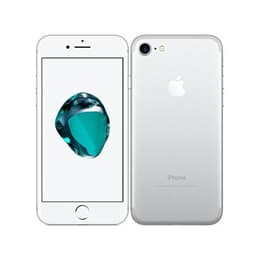
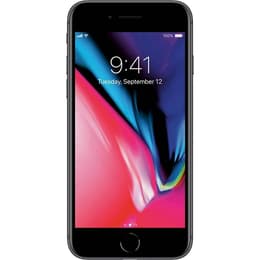
The iPhone 7 (released in September 2016) and iPhone 8 (released in September 2017) are two consecutive generations of Apple's smartphone line. While they share a similar physical design, the iPhone 8 introduced internal upgrades, including a more powerful processor, enhanced camera capabilities, and the addition of wireless charging. Both devices operate on Apple's iOS platform, offering a consistent user experience.
Colour
Storage
When considering the practical lifespan of these devices, several factors come into play, including their release timeline, software support, and physical durability.
Release year
Compatible with latest Update
Operating system
Foldable
The performance of a smartphone is largely determined by its internal processing power and how efficiently it handles tasks, from everyday browsing to more demanding applications.
The display is a primary interface for users, and while both models share some similarities, the iPhone 8 introduced a key enhancement.
Resolution
Screen type
The camera systems in both iPhones are designed for everyday photography, but the iPhone 8 brings notable improvements in image processing and video capabilities.
Beyond the core performance and display, several other features differentiate these two iPhone models, impacting daily convenience and user interaction.
Weight
Screen size (in)
Network
SIM card
Carrier compatibility
Connector
The iPhone 7 and iPhone 8, while sharing a familiar design, offer distinct experiences for users. The iPhone 7, released in 2016, is often praised for its solid performance for everyday tasks and its aluminum build. Users frequently highlight its continued reliability for basic smartphone functions, even years after its release. However, common criticisms often revolve around its battery life for heavy users and the conclusion of its major iOS software support, which can impact long-term app compatibility and security updates. [14, 30, 32]
The iPhone 8, launched in 2017, is generally lauded for its more powerful processor, which provides a smoother and faster user experience, particularly for demanding applications and multitasking. Its improved camera, especially for video recording and low-light conditions, is another frequently cited advantage. The addition of True Tone display technology and wireless charging are also popular upgrades. Some users, however, express concerns about the glass back's durability and the increased repair costs if it breaks. [3, 4, 16, 18, 23, 29, 36]
Users prioritizing a device for essential communication, light browsing, and basic app usage, and who are comfortable with an older software ecosystem, may find the iPhone 7 suitable. Its robust aluminum construction might also appeal to those seeking a device with less fragile exterior components. Conversely, users who value a more responsive system, enhanced photography and videography capabilities, a more adaptive display, and the convenience of wireless charging will likely find the iPhone 8 to be a more compelling option. Its extended software support also offers a longer period of up-to-date functionality. For those considering either model, opting for a quality-assured refurbished option can provide an eco-friendly alternative, extending the life of these devices and offering a sustainable choice.