
Compare models
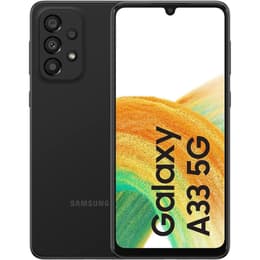
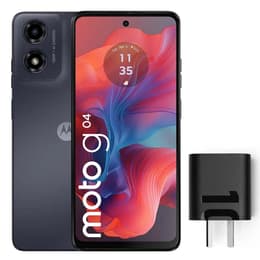
Galaxy A33 5G vs Motorola Moto G04
- 1-year warranty
- Free standard shipping
- Free 30-day returns
Differences at a glance
The Samsung Galaxy A33 5G (2022) and the Motorola Moto G04 (2024) are practical smartphones designed for everyday mobile communication. While both devices serve daily connectivity needs, they differ significantly in their hardware capability, display fidelity, and software feature sets. The Samsung model runs on Android with the manufacturer interface layer, whereas the Motorola device features a clean, near-stock software layout. These distinct approaches cater to different user preferences regarding interface complexity and hardware refinement.
Available Models
Colour
Storage (GB)
Scores
Durability
When evaluating hardware longevity and software support, both phones approach device maintenance through different timelines and update commitments.
- Software lifecycle: The Samsung model benefits from a structured long-term update policy spanning several years of operating system upgrades, while the Motorola device receives standard, essential security patches suited for its entry-level positioning.
- Build and durability: The Samsung device includes formal water and dust resistance ratings alongside durable glass protection, whereas the Motorola option utilizes a water-repellent plastic build suited for basic handling.
- Expected lifespan: Users can anticipate stable multi-year operation from both models, though the Samsung hardware offers additional software headroom for extended usage.
Release year
2022
2024
Compatible with latest Update
Yes
Yes
Operating system
Android
Android
Foldable
No
No
Performance
Daily operation and multitasking capabilities vary noticeably between the two devices based on their internal hardware configurations.
- Multitasking and memory: The Samsung device handles demanding applications and background processes smoothly with generous memory configurations, while the Motorola model manages everyday messaging and web browsing efficiently with lighter memory options.
- Storage capacity: Both smartphones provide expandable storage options via memory cards, allowing users to keep media and files locally without running out of space quickly.
- Battery behavior: Each device features a large capacity power cell that easily delivers a full day of standard use, supported by reliable energy management for routine tasks.
Screen quality
Visual output and screen technology present distinct viewing experiences for media consumption and navigation.
- Display technology: The Samsung device utilizes an advanced panel type delivering vibrant colors and deep contrast levels, whereas the Motorola option features a standard LCD screen with clear text rendering.
- Resolution and clarity: The Samsung model offers a higher pixel density for sharper image reproduction, while the Motorola alternative provides an adequate high-definition resolution for daily reading and video streaming.
- Refresh rate and outdoor use: Both displays support a ninety-hertz refresh rate for smooth scrolling, though the Samsung screen achieves higher peak brightness levels for comfortable visibility under direct sunlight.
Resolution
1080 x 2400
720 x 1612
Screen type
Super AMOLED
IPS LCD
Audiovisual
Photography and multimedia output reflect the distinct tier placement and component choices of each smartphone.
- Camera systems: The Samsung model incorporates a versatile multi-lens array including image stabilization and dedicated ultra-wide sensors, whereas the Motorola device relies on a straightforward single rear camera setup for basic snapshots.
- Video and low-light performance: The Samsung smartphone captures steady footage and handles dim environments effectively due to hardware stabilization, while the Motorola option performs best in well-lit outdoor conditions.
- Audio and media: The Samsung device features stereo speakers for immersive sound output, while the Motorola alternative provides a standard single speaker and retains a traditional headphone jack for wired audio accessories.
Main camera
48 megapixels
16 megapixels
Front camera
13 megapixels
5 megapixels
Miscellaneous
Physical handling and connectivity features shape the day-to-day usability of each mobile device.
- Connectivity standards: The Samsung model includes modern fifth-generation cellular connectivity and near-field communication for mobile payments, while the Motorola device focuses primarily on reliable standard wireless networks.
- Physical dimensions: Both phones offer comfortable ergonomics with balanced weight distribution, making them easy to hold during extended calls or media sessions.
- Biometric security: The Samsung device features an integrated optical screen fingerprint sensor, whereas the Motorola alternative utilizes a responsive side-mounted power button scanner.
Weight
186 oz
179 oz
Screen size (in)
6.4
6.56
Network
5G
4G
SIM card
Physical SIM
Dual Physical SIM
Carrier compatibility
Unlocked
Unlocked
What the community thinks
Choosing between these two smartphones depends heavily on individual daily requirements and feature priorities. Users who prioritize advanced display fidelity, versatile multi-lens photography, and long-term software updates will find the Samsung Galaxy A33 5G well-suited to their needs. Conversely, users seeking a straightforward, clean software experience for basic communication and media consumption may prefer the Motorola Moto G04. Choosing a quality-assured refurbished option through platforms like Back Market provides an eco-friendly way to acquire these devices while reducing electronic waste.
Reviewing these core differences ensures a practical choice aligned with your personal usage habits and daily workflow expectations.