Compare models
Google Pixel 9a vs iPhone Air
- 1-year warranty
- Free standard shipping
- Free 30-day returns
Differences at a glance
The Google Pixel 9a (2025) and the Apple iPhone Air (2025) represent distinct approaches to modern smartphone engineering, balancing everyday usability with unique physical profiles. While the Pixel 9a emphasizes practical durability and all-day battery reliability on the Android 15 platform, the iPhone Air focuses on an ultra-slim titanium build running iOS. These two devices cater to consumers looking for streamlined daily performance packaged in very different form factors.
Available Models
Colour
Storage (GB)
Scores
Durability
When examining longevity and hardware resilience, both models offer robust support lifecycles paired with modern protective materials, though they achieve durability through different structural designs.
- Software Support: The Google Pixel 9a benefits from a long-term update commitment providing seven years of operating system upgrades, whereas the iPhone Air relies on Apple's standard multi-year software lifecycle support.
- Build and Repairability: The Pixel 9a utilizes a matte aluminum frame and composite back designed for everyday handling resilience, while the iPhone Air incorporates a slender titanium frame reinforced with advanced glass ceramic shielding.
- Expected Lifespan: Both devices feature current-generation internal components and ample memory headroom, ensuring they maintain reliable responsiveness for standard daily tasks over several years of continuous use.
Release year
2025
2025
Operating system
Android
iOS
Foldable
No
No
Performance
System responsiveness and daily multitasking capabilities differ across these models due to variations in battery capacity, thermal management, and hardware optimization.
- Battery Behavior: The Google Pixel 9a includes a large battery capacity designed to comfortably clear a full day of mixed usage, while the ultra-slim profile of the iPhone Air houses a smaller energy cell that may require more frequent charging during heavy tasks.
- Multitasking and App Loading: Both phones handle everyday applications, web browsing, and media streaming smoothly, maintaining fluid transitions without noticeable stutter during standard workflows.
- Storage and Memory: Each device offers generous base storage tiers and sufficient random access memory to keep background applications active and support on-device productivity tools efficiently.
Screen quality
Visual output and display characteristics provide clear, vibrant viewing experiences suited for media consumption and outdoor readability under bright sunlight.
- Display Technology: The Google Pixel 9a features an OLED panel with accurate color reproduction, while the iPhone Air employs a Super Retina XDR OLED screen with high contrast ratios.
- Refresh Rate and Fluidity: Both models support smooth high refresh rate technology up to 120Hz, ensuring fluid scrolling through web pages, documents, and social media feeds.
- Outdoor Brightness: High peak luminance levels on both displays ensure that text and images remain easily legible when viewed outdoors in direct sunlight.
Resolution
1080x2424
2736x1260
Screen type
P-OLED
Super Retina XDR
Audiovisual
Imaging capabilities and media recording functions cater to casual photographers and content creators looking for dependable capture tools in diverse lighting conditions.
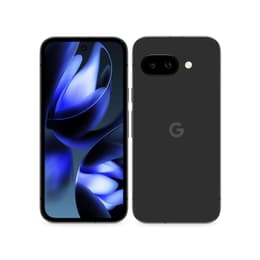
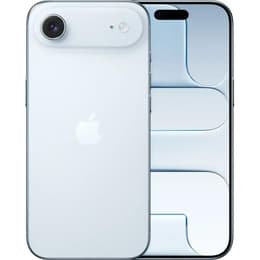
- Camera Systems: The Google Pixel 9a features a dual rear camera array incorporating standard and ultra-wide lenses, whereas the iPhone Air streamlines photography with a single high-resolution main sensor housed within a raised camera plateau.
- Low-Light and Video: Computational photography processing on the Pixel 9a delivers balanced indoor and night shots, while the iPhone Air provides high-fidelity video stabilization and crisp cinematic recording options.
- Audio Output: Both smartphones deliver clear sound reproduction for calls and media playback, utilizing capable internal speaker configurations and sensitive microphone arrays.
Miscellaneous
Physical dimensions, connectivity standards, and daily handling characteristics highlight the distinct ergonomic philosophies behind each device.
- Dimensions and Handling: The iPhone Air stands out with an exceptionally thin profile and light weight, whereas the Pixel 9a adopts a more conventional, slightly thicker chassis that some users find easier to grip securely.
- Connectivity and Ports: Both devices support rapid wireless standards and utilize standard USB-C physical connectors for charging and data synchronization.
- Security Sensors: Each model implements biometric authentication methods, offering quick and secure unlocking via facial recognition or integrated fingerprint scanning.
Weight
186 oz
165 oz
Screen size (in)
6.3
6.5
Network
5G
5G
SIM card
Physical SIM + eSIM
eSIM
Carrier compatibility
Unlocked
Unlocked
What the community thinks
User feedback from online communities highlights distinct preferences for each device. Owners of the Google Pixel 9a frequently praise its dependable battery life, long software support window, and comfortable grip, though some note that its plastic back feels less traditional than glass. Conversely, users appreciate the iPhone Air for its striking thinness, lightweight titanium construction, and smooth display, while mentioning that its slender battery requires careful management during intensive daily use.
Choosing between these two smartphones depends heavily on individual daily priorities. Users prioritizing long battery reliability and extended software commitments may prefer the Google Pixel 9a, while users prioritizing an exceptionally lightweight, ultra-slim design will likely lean toward the iPhone Air. For those seeking a sustainable choice, a quality-assured refurbished option provides an eco-friendly alternative to purchasing brand-new hardware. Ultimately, both devices deliver capable performance tailored to different user workflows.