
iPhone 16e vs Motorola Edge 50 Fusion

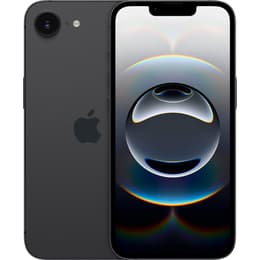
iPhone 16e
iPhone 16e
Starting at

Refurbished price:A$838.00

Versus A$999.00 new

See options
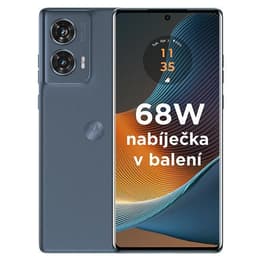
Motorola Edge 50 Fusion
See options

The iPhone 16E, released in February 2025, and the Motorola Edge 50 Fusion, launched in April/May 2024, represent distinct approaches to modern smartphones. While the iPhone 16E operates on Apple's iOS ecosystem, the Motorola Edge 50 Fusion runs on Android, offering users different software experiences. Key differentiators between these two devices include their core processing power, display technologies, and camera system philosophies, catering to varied user preferences.

Scores

Durability

When considering the long-term usability of these devices, their release timelines and software support policies are significant factors. The iPhone 16E, being an Apple device, typically benefits from an extended period of software updates, often spanning five to six years from its release. The Motorola Edge 50 Fusion, while offering a competitive Android experience, generally receives a shorter duration of major OS updates, typically around three years, with security patches extending slightly beyond that.

  • Software Longevity: The iPhone 16E, released in February 2025, is expected to receive iOS updates for at least five years, potentially extending its functional lifespan significantly. The Motorola Edge 50 Fusion, launched in April/May 2024, typically receives three major Android OS updates and an additional year of security patches.
  • Physical Durability: Both devices feature robust builds designed to withstand daily use. The iPhone 16E incorporates a Ceramic Shield front and an IP68 rating for dust and water resistance. The Motorola Edge 50 Fusion also boasts an IP68 rating and is protected by Corning Gorilla Glass 5 on its display.
  • Repairability Considerations: While specific repairability scores can vary, both manufacturers offer repair services. Users seeking to extend the life of their devices through refurbishment can find quality-assured options for both models, contributing to a more sustainable approach to electronics.

Release year

2025

2024

Operating system

iOS

Android

Foldable

No

No

Performance

The performance of a smartphone is largely dictated by its internal processing capabilities, influencing everything from app responsiveness to multitasking efficiency. The iPhone 16E and Motorola Edge 50 Fusion utilize different architectures, leading to distinct real-world usage experiences.

  • Processing Power: The iPhone 16E is equipped with Apple's A18 chip, which provides substantial power for demanding applications, complex computations, and smooth overall system navigation. The Motorola Edge 50 Fusion features the Qualcomm Snapdragon 7s Gen 2 processor, which capably handles everyday tasks, moderate gaming, and general multitasking with efficiency.
  • Multitasking and Storage: The iPhone 16E comes with 8GB of RAM, supporting fluid transitions between multiple open applications. Storage options range from 128GB to 512GB. The Motorola Edge 50 Fusion offers configurations with 8GB or 12GB of RAM, providing ample capacity for multitasking, and storage options up to 512GB, though it lacks expandable storage.
  • Battery Behavior: The iPhone 16E is noted for its extended battery life, offering up to 26 hours of video playback, which is considerable for its size. The Motorola Edge 50 Fusion houses a 5000mAh battery, designed to provide all-day power for most users, complemented by 68W fast charging capabilities that can quickly replenish the battery.

Memory (GB)

8 GB

12 GB

Screen quality

The visual experience on a smartphone is primarily defined by its display, encompassing factors like technology, resolution, and refresh rate. Both the iPhone 16E and Motorola Edge 50 Fusion offer vibrant screens, but with some key differences.

  • Display Technology and Clarity: The iPhone 16E features a 6.1-inch Super Retina XDR OLED display, delivering deep blacks and vibrant colors with a resolution of 2532 x 1170 pixels, resulting in a sharp 460 pixels per inch (ppi). The Motorola Edge 50 Fusion sports a larger 6.7-inch pOLED display with a 1080 x 2400 pixel resolution, offering clear visuals at approximately 393-395 ppi.
  • Brightness and Smoothness: The iPhone 16E's display reaches a typical brightness of 800 nits and a peak HDR brightness of 1200 nits, ensuring good visibility in various lighting conditions. It maintains a standard 60Hz refresh rate. The Motorola Edge 50 Fusion offers a higher 144Hz refresh rate for smoother scrolling and animations, with a peak brightness of 1600 nits, enhancing outdoor readability.
  • Design and Viewing Experience: The iPhone 16E retains a traditional notch design for its front camera and sensors. The Motorola Edge 50 Fusion features a curved 'endless edge' display, contributing to an immersive viewing experience.

Resolution

2532x1170

1080 x 2400

Audiovisual

Camera capabilities are a significant consideration for many users, and both devices offer distinct photographic and videographic experiences tailored to their respective ecosystems.

  • Rear Camera Systems: The iPhone 16E is equipped with a single 48MP Fusion Main camera that also enables a 12MP 2x telephoto option through sensor cropping, providing optical-quality zoom. The Motorola Edge 50 Fusion features a dual-camera setup, including a 50MP main sensor with optical image stabilization (OIS) and a 13MP ultrawide lens that can also function for macro photography.
  • Photography Features: The iPhone 16E supports features like Smart HDR 5, Night mode, and Portrait mode, though its Portrait mode is optimized primarily for human faces. The Motorola Edge 50 Fusion's camera system is designed for capturing detailed photos in various conditions, with its ultrawide lens offering versatility for different scenes.
  • Video and Front Camera: Both devices offer capable video recording. The iPhone 16E includes a 12MP TrueDepth front camera with autofocus. The Motorola Edge 50 Fusion has a 32MP front camera and supports 4K video recording.

Front camera

TrueDepth 12MP

32 megapixels

Miscellaneous

Beyond the core specifications, several practical elements contribute to the overall user experience, including connectivity, physical design, and additional features.

  • Connectivity and Ports: The iPhone 16E features a USB-C port for charging and data transfer, and supports 5G (sub-6 GHz), Wi-Fi 6, and Bluetooth 5.3. The Motorola Edge 50 Fusion also includes a USB-C port, offers 5G connectivity, Wi-Fi 6, and Bluetooth 5.2.
  • Physical Design and Handling: The iPhone 16E has dimensions of 146.7 x 71.5 x 7.8 mm and weighs 167 grams, offering a compact and manageable form factor. It features an Action Button for customizable shortcuts. The Motorola Edge 50 Fusion measures 161.9 x 73.1 x 7.8/7.9 mm and weighs 175 grams, providing a slightly larger device with a comfortable in-hand feel due to its curved design.
  • Security and Audio: The iPhone 16E utilizes Face ID for secure authentication. The Motorola Edge 50 Fusion incorporates an in-display fingerprint sensor for biometric security. The Motorola device also includes stereo speakers with Dolby Atmos support for an enhanced audio experience.

Weight

167 oz

175 oz

Screen size (in)

6.1

6.7

Network

5G

5G

SIM card

Physical SIM + eSIM

Dual Physical SIM

Carrier compatibility

Unlocked

Unlocked

Connector

USB-C

USB-C

User feedback for the iPhone 16E often highlights its robust performance and extended software support as significant advantages, making it a reliable choice for those deeply integrated into the Apple ecosystem. Common praise points include its consistent camera performance in everyday scenarios and its impressive battery longevity for a device of its size. Some users, however, note the absence of an ultrawide camera and a high refresh rate display as areas where it differs from more premium offerings.

The Motorola Edge 50 Fusion is frequently lauded for its vibrant, high refresh rate display and its long-lasting battery with rapid charging capabilities, which are often cited as strong points for users who prioritize media consumption and quick power-ups. Its design, particularly the eco-leather finishes, also receives positive mentions for its tactile feel. Criticisms sometimes revolve around its shorter software update cycle compared to some competitors and the performance in very demanding tasks, though it generally handles daily use smoothly.

Users prioritizing a compact device with long-term software support and a powerful processor for a consistent experience across a wide range of applications may find the iPhone 16E well-suited to their needs. Conversely, individuals who value a larger, high refresh rate display, faster charging, and a versatile camera system within the Android ecosystem might lean towards the Motorola Edge 50 Fusion. Both devices offer compelling features, and considering a quality-assured refurbished option can provide an eco-friendly alternative for either model.
See all articles

Our recent comparisons