
Compare models

Google Pixel 9a vs iPhone 14

  • 1-year warranty
  • Free standard shipping
  • Free 30-day returns
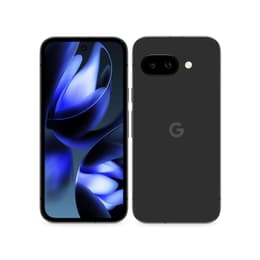
Google Pixel 9a
Starting at

Refurbished price:A$570.00

Versus A$731.50 new

See options
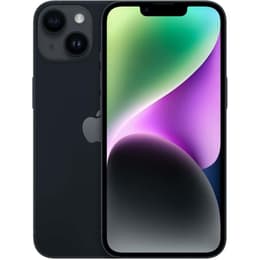
iPhone 14
Starting at

Refurbished price:A$450.00

Versus A$1,049.00 new

See options

Differences at a glance

The Google Pixel 9a (2025) and the Apple iPhone 14 (2022) represent distinct approaches to modern smartphone engineering, balancing everyday accessibility with distinct software ecosystems. While the Google Pixel 9a runs on Android with a newer hardware release timeline, the iPhone 14 operates on iOS and offers a more compact form factor. Both devices cater to users seeking dependable daily communication, yet they diverge significantly in software philosophy, physical dimensions, and media handling.

Available Models

Colour

Storage (GB)

Scores

Durability

When evaluating structural longevity and software support, both smartphones offer robust multi-year update pathways with distinct timelines based on their respective release years.

  • Software Support Duration: The Google Pixel 9a benefits from an extended multi-year update commitment covering up to seven years from release, whereas the iPhone 14 follows Apple's traditional lifecycle pattern which typically spans five to six years of major operating system upgrades.
  • Repairability and Build Maintenance: Both manufacturers provide structured repair channels, though standard professional maintenance access varies slightly between regions depending on authorized service center availability.
  • Expected Practical Lifespan: Thanks to current-generation internal components and long-term security patching, both models are well-equipped to maintain responsive daily operation across several years of continuous use.

Release year

2025

2022

Operating system

Android

iOS

Foldable

No

No

Performance

Performance characteristics differ largely due to distinct hardware architectures and memory allocations, directly influencing multitasking and application responsiveness.

  • Multitasking and Memory: The Google Pixel 9a includes ample RAM capacity to keep multiple background processes active smoothly, while the iPhone 14 relies on optimized memory management within its operating system to maintain fluid app switching.
  • Everyday Speed and Gaming: Both devices handle standard web browsing, social media feeds, and demanding mobile games without noticeable stutter, though thermal performance under prolonged high loads varies by software optimization.
  • Battery Behavior: The Google Pixel 9a integrates a high-capacity battery designed to comfortably clear a full day of mixed usage, while the iPhone 14 offers dependable all-day endurance that suits moderate daily workflows.

Screen quality

Display assemblies on both models deliver sharp visuals, though they differ in physical dimensions, peak brightness metrics, and motion smoothness.

  • Display Technology and Smoothness: The Google Pixel 9a features an advanced OLED panel supporting higher refresh rates for fluid scrolling, whereas the iPhone 14 utilizes a standard refresh rate panel paired with crisp pixel density.
  • Outdoor Visibility: High peak brightness levels on the Google Pixel 9a ensure readability under direct sunlight, matching the reliable outdoor legibility provided by the iPhone 14's balanced display panel.
  • Viewing Area: The Google Pixel 9a offers a slightly larger screen real estate for media consumption, compared to the more compact 6.1-inch display footprint of the iPhone 14.

Resolution

1080x2424

1170 x 2532

Screen type

P-OLED

Super Retina XDR OLED

Audiovisual

Imaging capabilities reflect distinct computational photography styles, offering versatile options for casual snapshots and video recording.

  • Main and Ultra-Wide Photography: The Google Pixel 9a excels at processing natural skin tones and handling challenging lighting through advanced software algorithms, while the iPhone 14 utilizes a refined dual-camera array optimized for balanced color fidelity and detail.
  • Video Recording: The iPhone 14 delivers stable cinematic video capture with smooth exposure transitions, whereas the Google Pixel 9a provides reliable video stabilization suited for spontaneous recording.
  • Media and Audio Output: Both smartphones feature capable stereo speaker setups that deliver clear dialogue and adequate volume levels for hands-free calls and casual video streaming.

Miscellaneous

Physical design choices and connectivity standards shape the everyday handling and ecosystem compatibility of each handset.

  • Build Materials and Dimensions: The Google Pixel 9a utilizes a durable composite back with a flattened camera profile, contrasting with the glass-and-aluminum construction of the iPhone 14.
  • Biometric Security: Security authentication is handled via distinct methods, with the Google Pixel 9a offering fingerprint and facial recognition options alongside the iPhone 14's dedicated facial recognition sensor.
  • Connectivity and Ports: Both models support modern 5G cellular networks and high-speed Wi-Fi standards, while utilizing their respective proprietary or standard cable connectors for charging.

Weight

186 oz

172 oz

Screen size (in)

6.3

6,1

Network

5G

5G

SIM card

Physical SIM + eSIM

Physical SIM + eSIM

Carrier compatibility

Unlocked

Unlocked

What the community thinks

User community discussions frequently highlight the Google Pixel 9a for its extended software support timeline, generous battery capacity, and clean interface layout. Conversely, the iPhone 14 receives consistent praise for its robust build quality, video recording reliability, and smooth integration within the broader Apple ecosystem.

Users prioritizing deep customization, a higher display refresh rate, and long-term Android updates will find the Google Pixel 9a well-suited to their needs. Meanwhile, users who prefer the iOS ecosystem, a compact physical footprint, and dependable video capture will lean toward the iPhone 14. Those exploring a sustainable choice can also consider a quality-assured refurbished option from Back Market to make an eco-friendly purchase without compromising on performance.