
Compare models

Google Pixel 10 vs iPhone Air

  • 1-year warranty
  • Free standard shipping
  • Free 30-day returns
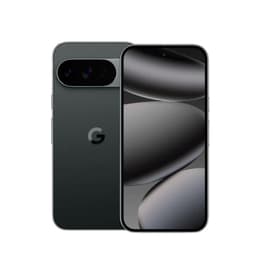
Google Pixel 10
Starting at

Refurbished price:A$944.00

Versus A$1,349.00 new

See options
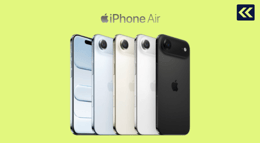
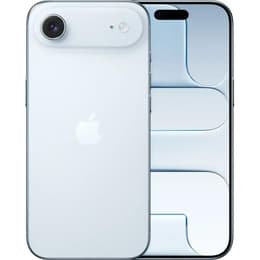
iPhone Air
Starting at

Refurbished price:A$1,061.00

Versus A$1,899.00 new

See options

Differences at a glance

The Google Pixel 10 (2025) and the iPhone Air (2025) represent distinct approaches to modern smartphone design, catering to users with different platform preferences and hardware priorities. While the Google Pixel 10 focuses on an integrated software experience and a triple-lens camera layout running on Android, the iPhone Air introduces an exceptionally thin profile and a simplified single-lens setup within the iOS ecosystem. These core differences in operating systems and physical engineering shape how each device handles everyday communication, media consumption, and creative tasks.

Available Models

Colour

Storage (GB)

Scores

Durability

Both smartphones arrive from the 2025 hardware generation, bringing modern build quality and extended software maintenance roadmaps suited for long-term ownership.

  • Software Support: The Google Pixel 10 offers multi-year operating system upgrades backed by Google, whereas the iPhone Air receives consistent, long-term iOS updates directly from Apple.
  • Repairability: Both manufacturers provide structured repair pathways, though practical repair ease varies depending on component availability and the specific module needing service.
  • Expected Lifespan: Robust build materials and high-tier internal components ensure that both devices maintain dependable daily utility across several years of consistent usage.

Release year

2025

2025

Operating system

Android

iOS

Foldable

No

No

Performance

System capabilities differ noticeably in how storage options, multitasking headroom, and energy efficiency translate to daily productivity and entertainment.

  • Multitasking and Responsiveness: Generous memory configurations on both models ensure that switching between demanding applications, web browsers, and media tools occurs smoothly without noticeable lag.
  • Battery Behavior: The Google Pixel 10 incorporates a larger battery capacity designed to comfortably span a full day of mixed use, while the iPhone Air relies on power-efficient processing to maximize battery longevity within its slim chassis.
  • Storage Management: Multiple internal storage tiers accommodate large media libraries and offline files, though neither device supports expandable storage via physical cards.

Screen quality

Visual output relies on advanced display panels that deliver crisp text reproduction, high contrast ratios, and fluid motion handling for everyday viewing.

  • Display Technology: Both models utilize vibrant OLED panels that render deep blacks and vivid colors, accompanied by high peak brightness levels for clear visibility under bright outdoor sunlight.
  • Refresh Rate: Adaptive refresh rates scaling up to a smooth maximum frequency ensure fluid scrolling through web pages, documents, and interface menus.
  • Viewing Experience: Generous screen dimensions provide an immersive canvas for watching videos, reading articles, and managing split-screen tasks comfortably.

Resolution

1080x2424

2736x1260

Screen type

OLED

Super Retina XDR

Audiovisual

Photography and recording setups cater to distinct visual styles, balancing multi-lens flexibility against streamlined, single-sensor efficiency.

  • Lens Configuration: The Google Pixel 10 employs a versatile multi-camera array including specialized zoom capabilities, whereas the iPhone Air features a streamlined single main sensor supported by advanced computational image processing.
  • Low-Light and Video: Both devices capture clear details in challenging lighting conditions and record steady, high-resolution video suitable for sharing or personal archives.
  • Audio Output: Integrated microphone arrays and speaker setups deliver clear voice call quality and balanced sound reproduction for casual media streaming.

Miscellaneous

Physical dimensions and connectivity standards define how each phone handles portability, accessories, and network integration.

  • Design and Handling: The iPhone Air emphasizes an ultra-slim, lightweight profile for effortless pocketability, while the Google Pixel 10 maintains a slightly thicker, traditional form factor with a firm grip.
  • Connectivity: Modern 5G compatibility, fast Wi-Fi standards, and Bluetooth support ensure swift data transfers and stable peripheral pairing.
  • Security and Biometrics: Secure authentication is handled via responsive facial recognition or fingerprint scanning depending on the device layout.

Weight

204 oz

165 oz

Screen size (in)

6.3

6.5

Network

5G

5G

SIM card

Physical SIM + eSIM

eSIM

Carrier compatibility

Unlocked

Unlocked

What the community thinks

Community discussions and user feedback indicate that both smartphones satisfy different sets of user expectations. Owners of the Google Pixel 10 frequently praise its dependable battery life, versatile multi-lens camera system, and integrated software features, though some note its heavier physical footprint. Conversely, users of the iPhone Air highlight its striking lightweight build, comfortable handling, and fluid display performance, while occasionally pointing out the limitations of a single-lens camera arrangement and slim battery capacity.

Users prioritizing deep software customization, flexible zoom photography, and a traditional build will find the Google Pixel 10 well-suited to their daily routines. Meanwhile, users prioritizing a featherlight profile, minimalist design, and the iOS ecosystem may lean toward the iPhone Air. For those seeking an eco-friendly alternative, exploring a quality-assured refurbished option provides a sustainable path to acquiring either device without compromising on functional reliability.