

Compare models

Galaxy Z Flip7 vs Google Pixel 7

  • 1-year warranty
  • Free standard shipping
  • Free 30-day returns
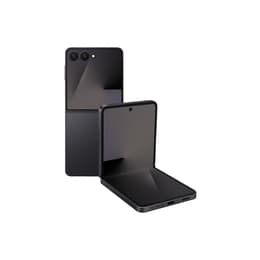
Galaxy Z Flip7
Starting at

Refurbished price:A$840.00

Versus A$1,799.00 new

See options
Google Pixel 7
Starting at

Refurbished price:A$310.00

Versus A$879.00 new

See options

Differences at a glance

The Samsung Galaxy Z Flip7 (2025) and Google Pixel 7 (2022) represent two distinct approaches to smartphone design, offering users a choice between a compact folding device and a conventional flagship form factor. While they operate on the Android ecosystem, their hardware design and feature sets cater to very different daily preferences.

The main differentiators lie in the folding screen design of the Galaxy Z Flip7 compared to the rigid, bar-style build of the Google Pixel 7. Both devices run customized versions of Android, providing distinct software experiences and tailored ecosystem integration for users seeking either modern folding innovation or established reliability.

Available Models

Colour

Storage (GB)

Scores

Durability

When evaluating the long-term viability and software support of these two devices, release timelines and manufacturer commitments play a significant role in their expected practical lifespans.

  • Release timeline and updates: The Galaxy Z Flip7 benefits from a much newer release year, securing extended operating system support and security patches that stretch further into the future than its competitor.
  • Repairability and durability: The Google Pixel 7 relies on a traditional bar structure with Gorilla Glass panels, offering predictable structural resilience, whereas the Galaxy Z Flip7 introduces a folding mechanism that requires careful handling over years of daily folding and unfolding.
  • Practical lifespan: Users selecting the Galaxy Z Flip7 gain modern hardware longevity, while the Google Pixel 7 approaches the latter half of its official support window, making software-focused longevity a point of consideration for long-term owners.

Release year

2025

2022

Operating system

Android

Android

Foldable

Yes

No

Performance

Performance capabilities dictate how smoothly each device handles everyday multitasking, app launching, and battery management under various daily workloads.

  • Everyday responsiveness: Both devices load apps quickly and switch between multiple tasks seamlessly, utilizing capable internal processors that handle modern software without noticeable stuttering.
  • Battery behavior: The Google Pixel 7 provides consistent battery endurance through a standard day of moderate mixed usage, while the Galaxy Z Flip7 manages power across its dual-screen setup, sometimes requiring a top-up during heavy use due to its compact internal battery capacity.
  • Storage and memory: Both models offer generous base storage options and sufficient random access memory to keep background applications active, supporting smooth media streaming, web browsing, and casual gaming without performance degradation.

Screen quality

Display technology defines the visual experience, affecting everything from outdoor readability to media consumption and daily interaction comfort.

  • Display technology: The Galaxy Z Flip7 features a foldable AMOLED main display paired with an external cover screen for quick tasks, while the Google Pixel 7 utilizes a bright, flat OLED panel with vibrant color reproduction.
  • Brightness and outdoor use: Both screens reach high peak brightness levels, ensuring text remains legible under direct sunlight, though the reflective nature of folding glass on the Samsung device introduces different handling under bright lights.
  • Refresh rate and smoothness: Both models support smooth high refresh rates, making scrolling through web pages and social media feeds fluid and responsive to touch input.

Resolution

1080x2520

1080 x 2400

Audiovisual

Optics and media output capabilities shape how well each phone captures everyday moments, records video, and delivers sound during calls or entertainment.

  • Camera systems: The Google Pixel 7 relies on computational photography algorithms to deliver detailed everyday and low-light photos from its dual rear lenses, whereas the Galaxy Z Flip7 offers versatile shooting angles made possible by its unique folding posture.
  • Video and audio output: Both devices record stable, high-resolution video with clear audio capture from built-in microphones, and their stereo speakers provide adequate volume for casual media viewing and hands-free calls.
  • Media consumption: Users watching videos or listening to music will find both phones deliver balanced audio clarity, though neither features a physical headphone jack, requiring wireless or adapter-based audio accessories.

Miscellaneous

Physical handling dimensions, connectivity standards, and daily convenience features determine how comfortably each device integrates into a traveler's or professional's routine.

  • Dimensions and handling: The Galaxy Z Flip7 folds down into a compact square that fits easily into small pockets or bags, while the Google Pixel 7 maintains a standard bar profile with a distinctive camera visor bar across the back.
  • Connectivity and ports: Both smartphones support modern 5G cellular networks, fast Wi-Fi standards, and Bluetooth pairing, utilizing reversible USB-C ports for charging and data transfer.
  • Security sensors: Each model incorporates biometric authentication through secure face recognition and fingerprint sensors, offering quick and reliable device unlocking. For buyers seeking a sustainable choice, a quality-assured refurbished option provides access to these features with a lower environmental impact.

Weight

188 oz

212 oz

Screen size (in)

6.9

6.3

Network

5G

5G

SIM card

Physical SIM + eSIM

Physical SIM + eSIM

Carrier compatibility

Unlocked

Unlocked

What the community thinks

Community discussions and user feedback indicate that the Google Pixel 7 earns praise for its reliable everyday camera performance, clean software interface, and straightforward build quality. However, some users note that its battery life can drain faster during heavy navigation tasks, and its charging speeds lag behind newer market standards. On the other hand, the Galaxy Z Flip7 receives appreciation for its ultra-compact folding form factor that saves pocket space and enables flexible hands-free photo angles, though users frequently mention that the crease on the main screen remains visible and the outer display requires careful scratch management.

Users prioritizing pocket-friendly design and modern hardware flexibility may prefer the Galaxy Z Flip7, while users prioritizing straightforward software simplicity and consistent photographic output may lean toward the Google Pixel 7. Choosing between them depends entirely on whether a folding layout or a traditional bar structure better fits your daily routine. Exploring a quality-assured refurbished option on Back Market can also make either device a sustainable choice for environmentally conscious consumers looking to reduce electronic waste without compromising on core functionality.