Compare models

Dell Latitude 5320 13" vs Dell Latitude 7400 14"

  • 1-year warranty
  • Free standard shipping
  • Free 30-day returns
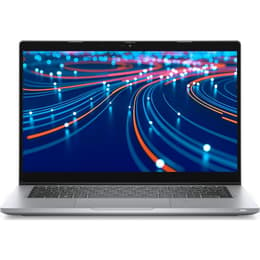
Dell Latitude 5320 13"
Starting at

Refurbished price:A$360.00

Versus A$833.83 new

See options
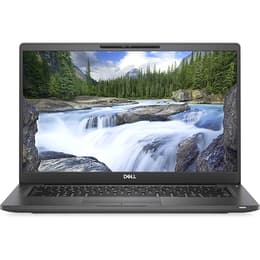
Dell Latitude 7400 14"
Starting at

Refurbished price:A$267.00

Versus A$2,144.00 new

See options

Differences at a glance

The Dell Latitude 5320 13" (2021) and the Dell Latitude 7400 14" (2019) are business-focused laptops designed for everyday professional tasks and mobile productivity. While both run on the Windows operating system and offer robust build qualities tailored for work environments, they differ primarily in screen size, release generation, and portability. This comparison outlines their core differences to help users determine which device fits their specific workflow.

Available Models

Storage (GB)

Processor

Memory (GB)

Scores

Durability

When evaluating the longevity and construction of these business laptops, both models offer reliable structural integrity, though they stem from different release years.

  • Release timeline and software support: The Latitude 5320 arrived in 2021, giving it a newer hardware baseline and extended compatibility with recent Windows iterations compared to the Latitude 7400 from 2019.
  • Repairability and build: Both units incorporate durable chassis materials designed for corporate fleets, featuring accessible internal layouts that facilitate component maintenance and repairs over time.
  • Expected lifespan: Choosing a quality-assured refurbished option provides an eco-friendly alternative that maximizes functional utility while extending each device's operational years in professional or academic settings.

Release year

2021

2018

Last Os Compatibility

Yes

Yes

Operating system

Windows 11

Windows 11

Performance

Daily responsiveness and multitasking capabilities vary due to the generational gap in internal hardware between the two machines.

  • Processor capabilities: The Latitude 5320 benefits from a newer processor generation that handles multitasking, web browsing, and office applications with slightly greater efficiency and reduced load times.
  • Memory and storage: Both laptops support various RAM configurations and fast solid-state drive options, though the newer 5320 generally provides faster base data transfer speeds and more modern memory standards.
  • Battery behavior: Typical work use yields a full workday of office tasks on both models, though battery degradation can vary depending on previous usage history in secondary markets.

Graphic card

Integrated Graphics

Integrated Graphics

Screen quality

Display characteristics differ notably in physical dimensions, workspace area, and visual clarity attributes.

  • Display size and format: The Latitude 5320 features a compact 13.3-inch screen, whereas the Latitude 7400 offers a slightly larger 14-inch workspace, affecting overall physical footprint and text scaling.
  • Resolution and technology: Both utilize standard High Definition liquid crystal panels with anti-glare coatings, making text sharp for document editing and reducing reflections in brightly lit rooms.
  • Outdoor usability: Standard brightness levels on both machines remain adequate for indoor office environments, though direct sunlight use may require maximum brightness settings.

Resolution

1920 x 1080

1920 x 1080

Screen type

LCD

LCD

Camera

Audiovisual

Multimedia hardware handles day-to-day video conferencing and media consumption through standard integrated components.

  • Webcam and video calls: Both laptops include built-in webcams and microphone arrays suitable for remote meetings, online lectures, and virtual collaboration.
  • Audio output: Integrated stereo speakers deliver clear speech clarity for voice calls and podcasts, though external headphones or speakers are recommended for immersive media enjoyment.
  • Media consumption: Screen proportions and audio profiles on both models support casual video streaming and presentation review without specialized external gear.

Miscellaneous

Physical dimensions, port selections, and connectivity standards dictate how each device integrates into a desktop or travel setup.

  • Port selection: The Latitude 5320 includes modern high-speed USB Type-C connections alongside traditional USB ports and HDMI, while the Latitude 7400 relies on a mix of USB-A and Thunderbolt connections.
  • Wireless connectivity: The newer 5320 supports advanced wireless standards for faster router connections, whereas the 7400 features reliable standard Wi-Fi and Bluetooth.
  • Portability: The 13-inch 5320 is slightly lighter and more compact for frequent travelers, while the 14-inch 7400 provides a marginally larger keyboard layout and chassis area.

Weight

1320 oz

1360 oz

Screen size

13

14

What the community thinks

User feedback from online communities highlights both laptops for their sturdy keyboards, professional design aesthetics, and dependable performance in standard office applications. Common discussions often point out that while the older 14-inch model is praised for its comfortable typing space and port variety, some users note it feels heavier when carried daily. Conversely, the 13-inch model receives appreciation for its lighter build and newer internal architecture, though users occasionally mention that the smaller screen real estate requires more window management.

Users prioritizing maximum portability and a newer hardware generation may prefer the Dell Latitude 5320, while users seeking a slightly larger screen workspace and traditional port layouts may lean toward the Dell Latitude 7400. Evaluating these practical factors against personal daily workflows helps determine the most suitable option. Choosing a carefully tested, refurbished model allows consumers to secure a dependable device while supporting sustainable purchasing habits.

Our recent comparisons