
Compare models
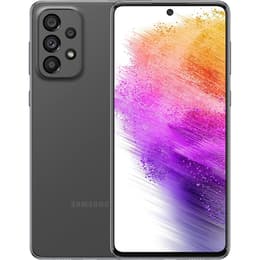
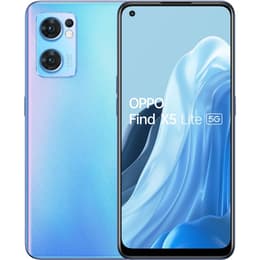
Galaxy A73 5G vs Oppo Find X5 Lite
- 1-year warranty
- Free standard shipping
- Free 30-day returns
Differences at a glance
The Samsung Galaxy A73 5G and the Oppo Find X5 Lite are mid-range smartphones released in early 2022 that cater to users seeking dependable everyday mobile technology. While both devices support modern cellular networks and run on the Android operating system, they approach daily usage through different hardware ecosystems and design philosophies.
The Samsung model emphasizes a larger display estate and robust outdoor protection, whereas the Oppo device focuses on rapid charging capabilities and a compact physical footprint. Choosing between them depends largely on personal preferences regarding display size, interface layout, and daily charging habits.
Available Models
Colour
Storage (GB)
Scores
Durability
Both smartphones launched in early 2022, placing them in a similar generation of mobile hardware with comparable expectations for physical wear and tear over time.
- Software longevity: The Samsung device benefits from an extended firmware update schedule covering multiple major operating system upgrades, while the Oppo model follows a standard software support window typical of its release period.
- Repairability and build: Both units feature modular internal components that facilitate standard hardware repairs, helping extend their functional lifespan through quality-assured refurbished options available on platforms like Back Market.
- Battery degradation: Both devices utilize lithium battery technology that gradually loses capacity over years of daily charging cycles, though proper power management features help mitigate long-term wear.
Release year
2022
2022
Compatible with latest Update
Yes
No
Operating system
Android
Android
Foldable
No
No
Performance
Underneath the exterior, both phones handle typical daily applications like web browsing, social media, and media streaming with steady reliability, though their underlying processing platforms differ.
- Multitasking capacity: Both configurations include generous random access memory paired with ample internal storage capacity, ensuring smooth switching between active background tasks and productivity apps.
- App execution: Everyday apps open swiftly and run fluidly on both devices, while demanding mobile games run at stable frame rates with moderate thermal management during extended sessions.
- Power efficiency: Each device balances processor draw and battery conservation differently, resulting in reliable daily operation under standard mixed-use conditions.
Screen quality
Display characteristics represent a notable differentiator between the two models, impacting how users experience media consumption and outdoor readability.
- Panel technology and size: The Samsung device features a larger 6.7-inch Super AMOLED Plus display, whereas the Oppo alternative utilizes a slightly more compact 6.43-inch AMOLED panel.
- Refresh rate and fluidity: The Samsung screen supports a higher 120Hz refresh rate for smoother scrolling animations, compared to the 90Hz refresh rate offered on the Oppo display.
- Outdoor visibility: Both screens deliver vibrant color reproduction and deep contrast levels, maintaining clear visibility under bright sunlight through automatic brightness adjustments.
Resolution
1080 x 2400
1080 x 2400
Screen type
Super AMOLED Plus
AMOLED
Audiovisual
Optics and media capture setups vary significantly between the two models, catering to different photography preferences.
- Main sensor resolution: The Samsung model incorporates a high-resolution 108-megapixel main camera sensor, while the Oppo device utilizes a 64-megapixel primary sensor supported by specialized software tuning.
- Secondary lenses: Both handsets include ultra-wide-angle lenses for landscape shots alongside macro options for close-up photography, accompanied by high-resolution front-facing cameras for video calls.
- Video and audio output: Both phones record stable video clips in high definition with integrated noise cancellation, complemented by internal speaker setups suitable for casual media playback.
Main camera
108 megapixels
64 megapixels
Front camera
32 megapixels
32 megapixels
Miscellaneous
Physical dimensions, build materials, and connectivity standards dictate how each phone feels and performs in day-to-day handling situations.
- Build and protection: The Samsung device includes an IP67 rating for dust and water resistance, while the Oppo alternative offers a lighter chassis with a slimmer profile for easier one-handed grip.
- Ports and connectivity: Both models provide 5G connectivity, modern Wi-Fi standards, and Bluetooth pairing, though physical port layouts and headphone jack availability vary by design.
- Security sensors: Each smartphone integrates a responsive under-display optical fingerprint scanner alongside facial recognition software for secure unlocking.
Weight
181 oz
173 oz
Screen size (in)
6.7
6.43
Network
5G
5G
SIM card
Physical SIM
Dual Physical SIM
Carrier compatibility
Unlocked
Unlocked
What the community thinks
User community discussions indicate that owners of the Samsung Galaxy A73 5G frequently praise its spacious high-refresh-rate screen, reliable battery longevity, and water resistance rating. Some users note that its larger physical size can feel bulky during one-handed operation. Conversely, users of the Oppo Find X5 Lite highlight its lightweight ergonomics, rapid charging speeds, and comfortable grip as standout advantages, though some mention that its mono speaker setup and standard refresh rate trail behind larger competitors.
Users prioritizing a larger screen estate, smoother scrolling visuals, and enhanced dust and water protection may prefer the Samsung Galaxy A73 5G. Meanwhile, users prioritizing a lighter physical footprint, faster replenishment times, and a compact hand feel often lean toward the Oppo Find X5 Lite. For those looking to make a sustainable choice, opting for a quality-assured refurbished device provides an eco-friendly alternative that reduces electronic waste without compromising on core functionality. Evaluating these practical differences ensures a well-informed selection tailored to individual daily routines.