Compare models
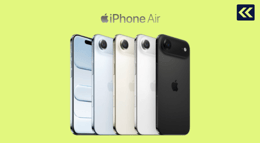
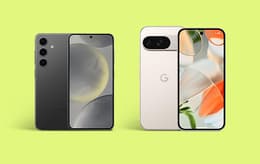
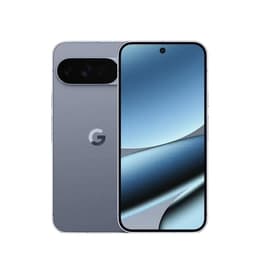
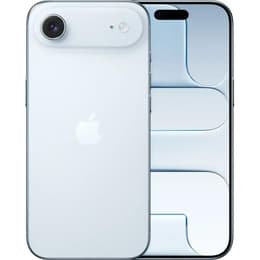
Google Pixel 10 Pro XL vs iPhone Air
- 1-year warranty
- Free standard shipping
- Free 30-day returns
Differences at a glance
The Google Pixel 10 Pro XL (2025) and the iPhone Air (2025) represent two distinct approaches to flagship smartphone design, catering to users looking for either expansive utility or minimalist portability. While the Pixel focuses on a feature-rich multitasking experience powered by Android, the iPhone Air prioritizes an ultra-thin physical profile running on iOS.
Available Models
Colour
Storage
Scores
Durability
Both devices launched in late 2025 and provide long-term software support pipelines, though they utilize different ecosystems for longevity and physical upkeep.
- Software longevity: Both platforms offer extensive multi-year update schedules, ensuring security patches and operating system upgrades remain current for years.
Repair structure: Each manufacturer provides structured repair programs, with the Google Pixel 10 Pro XL maintaining traditional modular component accessibility, and a quality-assured refurbished option remaining a sustainable choice for eco-conscious buyers.
Expected lifespan: Built with robust materials like titanium and high-strength glass, both models are engineered to endure multi-year daily use cycles without performance degradation.
Release year
2025
2025
Operating system
Android
iOS
Foldable
No
No
Performance
The internal hardware configurations of these devices handle demanding software, heavy multitasking, and intensive gaming with high levels of system responsiveness.
- Multitasking capacity: Large random access memory allocations on both models allow background applications to stay active without requiring frequent reloads.
App handling: Advanced processing capabilities ensure smooth frame rates during gaming and rapid execution of complex productivity tools.
Battery behavior: The Pixel 10 Pro XL utilizes a larger physical battery capacity for extended daily endurance, whereas the ultra-thin build of the iPhone Air requires a more compact power cell tailored for moderate daily use.
Screen quality
Visual output across both smartphones relies on advanced organic light-emitting diode technology, delivering deep contrast levels and rich color reproduction.
- Display technology: Both models feature adaptive refresh rates scaling up to 120 Hz for smooth scrolling and responsive touch interaction.
Outdoor visibility: High peak brightness capabilities ensure screen contents remain legible under direct sunlight.
Viewing dimensions: The Pixel 10 Pro XL provides a larger screen canvas well-suited for split-screen apps, while the iPhone Air balances screen real estate with a more slender handheld footprint.
Resolution
1344x2992
2736x1260
Audiovisual
Image and video capture capabilities differ significantly based on the lens configurations integrated into each chassis.
- Camera versatility: The Pixel 10 Pro XL features a triple-lens rear array including dedicated ultra-wide and optical zoom options, whereas the iPhone Air employs a streamlined single-lens system optimized for everyday snapshots.
Video recording: Both phones capture high-resolution footage with robust stabilization features, though the Pixel incorporates advanced computational modes for difficult lighting conditions.
Audio output: Integrated microphone arrays capture clear voice audio for calls, while the onboard speakers provide sufficient volume for casual media consumption.
Miscellaneous
Physical handling characteristics and connectivity standards highlight the distinct engineering choices behind each device.
- Build profile: The iPhone Air emphasizes an exceptionally slim and lightweight titanium build, whereas the Pixel 10 Pro XL offers a slightly heavier, traditional flagship frame.
Port and charging: Both models utilize universal USB-C ports for charging and data transfer, alongside support for modern wireless charging standards.
Security sensors: Each device offers secure biometric authentication methods through facial recognition or in-display fingerprint scanning.
Weight
232 oz
165 oz
Screen size (in)
6.8
6.5
Network
5G
5G
SIM card
Physical SIM + eSIM
eSIM
Carrier compatibility
Unlocked
Unlocked
What the community thinks
User discussions across public forums often highlight distinct preferences depending on daily workflow habits and ecosystem loyalty. Owners of the Google Pixel 10 Pro XL frequently praise its versatile multi-lens camera system, deep integration of artificial intelligence tools, and large screen canvas. Conversely, users gravitate toward the iPhone Air for its exceptionally thin form factor, lightweight daily handling, and smooth software experience. Some discussions note that the slim profile of the iPhone Air involves trade-offs in battery endurance and camera flexibility, while the heavier build of the Pixel requires two-handed use for extended periods.
Users prioritizing maximum camera versatility, long battery endurance, and extensive multitasking will find the Google Pixel 10 Pro XL well-suited to their needs, while users prioritizing a lightweight, ultra-slim profile and a streamlined mobile experience may lean toward the iPhone Air. For buyers seeking a sustainable path, choosing a quality-assured refurbished option through Back Market provides an eco-friendly alternative without compromising on performance. Evaluating these distinct physical and functional traits helps determine which device aligns best with individual daily routines.