
Motorola Edge 50 vs Oppo Find X5 Pro 5G

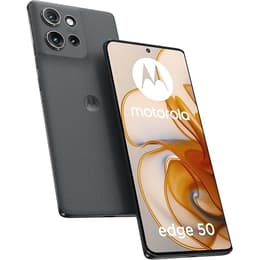
Motorola Edge 50
Motorola Edge 50
See options
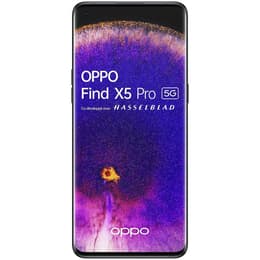
Oppo Find X5 Pro 5G
Oppo Find X5 Pro 5G
Starting at

Refurbished price:A$461.00

Versus A$2,708.00 new

See options

The Motorola Edge 50, released in August 2024, and the Oppo Find X5 Pro 5G, launched in February 2022, represent different approaches to smartphone design and performance. While the Motorola Edge 50 is a more recent offering, the Oppo Find X5 Pro 5G was a flagship device at its release. Key distinctions lie in their processing capabilities, display resolutions, and camera system philosophies, catering to varying user priorities.

Scores

Durability

When considering the practical lifespan of these devices, several factors come into play, including their release timelines, software support, and physical durability.

  • Release Timeline: The Motorola Edge 50 was released in August 2024, making it a newer device compared to the Oppo Find X5 Pro 5G, which launched in February 2022. This age difference directly impacts the remaining period of software support and overall technological relevance.
  • Software Longevity: The Motorola Edge 50 is expected to receive up to two major Android operating system upgrades and four years of security updates from its release, extending its usability into the future. The Oppo Find X5 Pro 5G, having launched with Android 12, typically receives three major OS updates and four years of security patches, meaning its software support window is nearing its end compared to the Motorola device.
  • Physical Durability: Both devices offer robust protection. The Motorola Edge 50 features an IP68 rating for dust and water resistance and is MIL-STD 810H certified, indicating military-grade durability against various environmental stresses. It also uses Gorilla Glass 5 for screen protection. The Oppo Find X5 Pro 5G also boasts an IP68 rating and is protected by Gorilla Glass Victus on its display, offering strong resistance to drops and scratches. The Oppo device also offers a ceramic back option, which is known for its scratch resistance.

Release year

2024

2022

Operating system

Android

Android

Foldable

No

No

Performance

The performance of a smartphone is crucial for daily tasks, app responsiveness, and demanding applications. Both devices offer capable hardware, though they stem from different generations of mobile technology.

  • Processing Power: The Motorola Edge 50 is equipped with a current-generation mid-range processor, which handles everyday applications, multitasking, and moderate gaming smoothly. Users can expect responsive navigation and efficient operation for most common tasks. The Oppo Find X5 Pro 5G, on the other hand, features a flagship-tier processor from its release year, providing robust performance for demanding applications, intensive gaming, and complex multitasking with ease.
  • Multitasking and Storage: Both devices are available with ample RAM configurations, typically 8GB or 12GB, allowing for efficient multitasking and quick switching between applications. The Motorola Edge 50 often comes with 256GB or 512GB of internal storage, utilizing UFS 2.2 technology. The Oppo Find X5 Pro 5G also offers 256GB or 512GB storage options, often with faster UFS 3.1 technology, which can contribute to quicker app loading and data transfer speeds.
  • Battery Behavior: The Motorola Edge 50 includes a 5000mAh battery, with user experiences suggesting it can last a full day for many users, though heavy usage might require more frequent charging. It supports 68W wired fast charging and 15W wireless charging. The Oppo Find X5 Pro 5G also houses a 5000mAh battery, and reviews indicate it generally provides strong endurance, often lasting a full day even with intensive use. It supports faster 80W wired charging and 50W wireless charging.

Memory (GB)

12 GB

12 GB

Screen quality

The display is a primary interface for smartphone interaction, and both devices offer high-quality viewing experiences with distinct characteristics.

  • Display Technology and Resolution: The Motorola Edge 50 features a 6.7-inch pOLED display with a 1.5K resolution (1220x2712 pixels), providing sharp visuals and vibrant colors. The Oppo Find X5 Pro 5G comes with a 6.7-inch LTPO2 AMOLED display, offering a higher QHD+ resolution (3216x1440 pixels), which results in exceptionally fine detail and clarity.
  • Brightness and Refresh Rate: Both screens support HDR10+ for enhanced contrast and color. The Motorola Edge 50 can reach a peak brightness of 1600 nits, ensuring good visibility in bright outdoor conditions, and features a 120Hz refresh rate for smooth scrolling and animations. The Oppo Find X5 Pro 5G offers a peak brightness of 1300 nits and an adaptive refresh rate that can scale from 1Hz to 120Hz, optimizing power consumption while maintaining visual fluidity.
  • Viewing Experience: The Motorola Edge 50's pOLED panel delivers deep blacks and good color reproduction. The Oppo Find X5 Pro 5G's LTPO2 AMOLED panel provides excellent color accuracy and dynamic range, with the adaptive refresh rate contributing to a consistently smooth visual experience across various content types.

Resolution

1220x2712

1440 x3216

Audiovisual

Camera capabilities are a significant consideration for many users, and both smartphones offer versatile camera systems with different strengths.

  • Rear Camera Systems: The Motorola Edge 50 features a triple rear camera setup, including a 50-megapixel main sensor with optical image stabilization (OIS), a 13-megapixel ultrawide lens with autofocus and macro capabilities, and a 10-megapixel telephoto lens offering 3x optical zoom with OIS. The Oppo Find X5 Pro 5G also has a triple rear camera system, comprising a 50-megapixel main sensor with OIS, a 50-megapixel ultrawide sensor with autofocus, and a 13-megapixel telephoto lens with 2x optical zoom.
  • Photography Performance: The Motorola Edge 50's main camera generally produces detailed and vibrant images, particularly in good lighting, though some users have noted occasional oversaturation. Its telephoto lens provides effective optical zoom. The Oppo Find X5 Pro 5G benefits from a dedicated MariSilicon X imaging NPU and a partnership with Hasselblad, contributing to strong image processing, especially in low-light conditions and for color science.
  • Video and Front Camera: Both devices are capable of recording video at 4K resolution at 30 frames per second. The Motorola Edge 50 has a 32-megapixel front camera. The Oppo Find X5 Pro 5G also features a 32-megapixel front camera, which performs well for selfies and video calls.

Miscellaneous

Beyond core specifications, various practical elements contribute to the overall user experience of these smartphones.

  • Connectivity and Ports: Both devices support 5G connectivity for fast mobile data. The Motorola Edge 50 includes Wi-Fi 6E and Bluetooth v5.2, along with NFC and a USB Type-C port. The Oppo Find X5 Pro 5G supports Wi-Fi 6 and Bluetooth v5.2, also featuring NFC and a USB Type-C port. Neither device includes a traditional 3.5mm headphone jack.
  • Sensors and Biometrics: For security and convenience, both smartphones incorporate in-display optical fingerprint sensors for biometric authentication. They also include standard sensors such as accelerometers, gyroscopes, and ambient light sensors. The Motorola Edge 50 also offers face recognition.
  • Design and Handling: The Motorola Edge 50 measures 160.8 x 72.4 x 7.8 mm and weighs 180 grams, featuring an aluminum frame and a vegan leather or suede back, contributing to a lightweight and comfortable feel. The Oppo Find X5 Pro 5G is slightly larger and heavier at 163.7 x 73.9 x 8.5 mm and 218 grams, with a premium ceramic or eco-leather back and an aluminum frame, offering a distinct in-hand feel.

Weight

180 oz

218 oz

Screen size (in)

6.7

6,7

Network

5G

5G

SIM card

Physical SIM

Physical SIM + eSIM

Carrier compatibility

Unlocked

Unlocked

User feedback for the Motorola Edge 50 often praises its stylish design, durable build with MIL-STD 810H certification, and its vibrant 1.5K pOLED display. Users also appreciate the inclusion of a telephoto lens and generally good camera performance in well-lit conditions. Some common criticisms include mixed reports on battery life for heavy users and the performance of the ultrawide camera. The Oppo Find X5 Pro 5G is frequently lauded for its exceptional QHD+ LTPO2 AMOLED display, powerful processing capabilities from its flagship-tier chip, and its fast wired and wireless charging speeds. Its camera system, enhanced by the MariSilicon X NPU and Hasselblad partnership, receives positive remarks for overall image quality, particularly in challenging lighting. Some users have noted its weight and the software experience at launch.

Users prioritizing a newer device with extended software support, military-grade durability, and a 3x optical zoom telephoto camera may find the Motorola Edge 50 well-suited to their needs. Conversely, those who value a higher-resolution display, a more powerful processor for demanding tasks, faster charging, and advanced imaging capabilities from a dedicated NPU might lean towards the Oppo Find X5 Pro 5G. Both devices offer compelling features, and considering a quality-assured refurbished option for either model can be an eco-friendly alternative to new purchases.


See all articles

Our recent comparisons