Compare models
Galaxy Z Flip5 vs iPhone Air
- 1-year warranty
- Free standard shipping
- Free 30-day returns
Differences at a glance
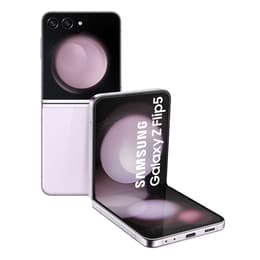
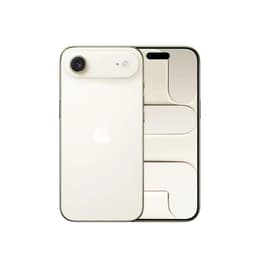
The Samsung Galaxy Z Flip5 (2023) and the Apple iPhone Air (2025) represent two distinct philosophies in modern smartphone design, combining innovative form factors with everyday capability. While the Galaxy Z Flip5 features a foldable clamshell build that folds down to a compact square, the iPhone Air prioritizes an ultra-slim, lightweight slate profile. Operating on Android and iOS respectively, these devices cater to users seeking unique physical designs paired with powerful modern performance.
Available Models
Colour
Storage
Scores
Durability
Both devices offer robust build quality and multi-year software longevity, though their mechanical designs and release timelines differ significantly.
- Release Timeline and Software Support: The Galaxy Z Flip5 launched in 2023 running Android, while the iPhone Air debuted in late 2025 on iOS, positioning the Apple model with a more extended window for future software updates.
- Durability and Repairability: The Galaxy Z Flip5 utilizes a folding hinge mechanism that requires careful handling over years of folding cycles, whereas the iPhone Air relies on a rigid titanium frame and reinforced glass for structural resilience.
- Practical Lifespan: Choosing a quality-assured refurbished option from Back Market provides a sustainable path to owning either device while ensuring tested hardware reliability and extended device utility.
Release year
2023
2025
Compatible with latest Update
Yes
Yes
Operating system
Android
iOS
Foldable
Yes
No
Performance
System responsiveness and everyday multitasking capabilities differ due to generational hardware variations and software optimization.
- Multitasking and App Handling: Both models handle demanding applications, heavy multitasking, and modern games smoothly, though the newer processor architecture in the iPhone Air delivers extra headroom for intensive computing tasks.
- Battery Behavior: The Galaxy Z Flip5 relies on a split-cell battery configuration designed for a compact footprint, while the iPhone Air houses a thin-profile battery, with both devices typically requiring a daily recharge under heavy use patterns.
- Storage Configurations: Both smartphones offer generous baseline storage tiers starting at 256 GB, accommodating large photo libraries, applications, and offline media files without external expansion.
Screen quality
Viewing experiences vary considerably based on display construction, panel dimensions, and physical form factor.
- Display Technology: The Galaxy Z Flip5 features a flexible folding OLED interior screen accompanied by a functional outer cover display, while the iPhone Air uses a rigid, expansive 6.5-inch flat OLED panel.
- Brightness and Outdoor Clarity: The iPhone Air reaches very high outdoor peak brightness levels for clear visibility in direct sunlight, whereas the Galaxy Z Flip5 offers comfortable viewing levels suitable for daily commuting and media consumption.
- Smoothness and Refresh Rate: Both panels support high refresh rates up to 120 Hz, ensuring fluid scrolling animations, responsive touch input, and seamless navigation through system menus.
Resolution
1080 x 2640
2736x1260
Screen type
Foldable Dynamic AMOLED 2X
Super Retina XDR
Audiovisual
Photography and multimedia audio outputs reflect different engineering priorities focused on versatility versus streamlined execution.
- Camera Systems: The Galaxy Z Flip5 provides a dual-lens rear setup (main and ultra-wide) that benefits from flexible angles enabled by the folding hinge, while the iPhone Air streamlines photography through a single high-resolution 48 MP main sensor.
- Low-Light and Video Performance: Both devices capture sharp everyday photos and stable high-definition video, with advanced image processing handling challenging lighting conditions automatically.
- Audio Output: Media consumption and phone calls utilize integrated speaker systems, with the iPhone Air offering focused sound output and both devices delivering clear microphone performance for voice calls and recording.
Main camera
12 megapixels
48 megapixels
Front camera
10 megapixels
18 megapixels
Miscellaneous
Physical dimensions, weight distribution, and connectivity standards shape how each device fits into daily routines.
- Handling and Portability: The Galaxy Z Flip5 folds in half to easily slip into small pockets or bags, whereas the iPhone Air focuses on an exceptionally thin and lightweight titanium build that rests comfortably in one hand.
- Connectivity and Ports: The iPhone Air utilizes a USB-C port alongside modern wireless and satellite communication features, while the Galaxy Z Flip5 combines USB-C charging with comprehensive 5G and near-field communication support.
- Authentication: Security features differ through the use of a side-mounted fingerprint sensor on the foldable Samsung compared to facial recognition technology on the Apple device.
Weight
187 oz
165 oz
Screen size (in)
6.7
6.5
Network
5G
5G
SIM card
Physical SIM + eSIM
eSIM
Carrier compatibility
Unlocked
Unlocked
What the community thinks
Deciding between the Samsung Galaxy Z Flip5 and the Apple iPhone Air depends heavily on individual form-factor preferences and operating system familiarity. Users prioritizing a compact, pocket-friendly folding design with flexible tabletop viewing angles will find the Galaxy Z Flip5 well-suited to their daily routines. Conversely, users who prefer an ultra-slim traditional profile, extended software support windows, and a lightweight titanium frame may lean toward the iPhone Air. Selecting an eco-friendly, quality-assured refurbished model through Back Market allows consumers to make a sustainable choice while acquiring either device in verified working condition. Ultimately, evaluating daily habits regarding pocket space, screen orientation, and software ecosystem will guide the right decision without any single device universally outclassing the other.