
Compare models
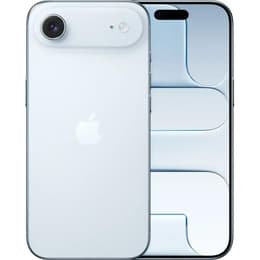
Galaxy S22 Ultra 5G vs iPhone Air
- 1-year warranty
- Free standard shipping
- Free 30-day returns
Differences at a glance
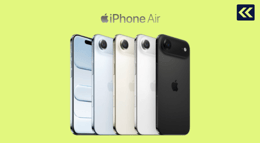
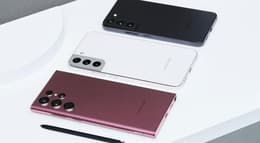
The Samsung Galaxy S22 Ultra 5G (2022) and the Apple iPhone Air (2025) represent two distinct approaches to high-end mobile engineering. While the Galaxy S22 Ultra 5G focuses on an integrated stylus experience and versatile multi-lens zoom capabilities, the iPhone Air prioritizes an ultra-slim profile and lightweight handling. Operating on Android and iOS respectively, these devices offer contrasting physical designs and user ecosystems tailored to different daily workflows.
Available Models
Colour
Storage (GB)
Scores
Durability
When evaluating longevity, these devices span different release years and software ecosystems, which directly influences their remaining support window.
- Software support timelines: The Galaxy S22 Ultra 5G launched with Android 12 and receives several years of major operating system upgrades, whereas the iPhone Air runs on a newer iOS generation released in 2025, giving it an extended window for future software updates.
- Build durability: Both models utilize robust aluminum or titanium frames alongside hardened glass protection, though everyday wear patterns depend heavily on protective accessories and handling habits.
- Practical lifespan: Users choosing a quality-assured refurbished option can expect reliable day-to-day operation from either device, with the newer Apple model providing extended long-term software relevance.
Release year
2022
2025
Compatible with latest Update
Yes
Yes
Foldable
No
No
Performance
System performance and responsiveness differ across these platforms, shaped by hardware optimization and battery capacity designs.
- Multitasking and app execution: Both devices handle demanding applications, complex web browsing, and graphics-heavy gaming smoothly, supported by generous RAM configurations and efficient background task management.
- Battery behavior: The Galaxy S22 Ultra 5G incorporates a larger physical battery capacity suited for extended usage, while the iPhone Air relies on power-efficient hardware design to balance its much thinner chassis.
- Storage configurations: Both models offer multiple high-capacity internal storage tiers without expandable card slots, accommodating large photo libraries and extensive application data.
Screen quality
Display technologies on both smartphones deliver bright, sharp visuals optimized for media consumption and text clarity.
- Display panels: The Galaxy S22 Ultra 5G features a large 6.8-inch curved OLED screen, while the iPhone Air utilizes a flat 6.5-inch OLED display.
- Outdoor visibility: Both screens reach high peak brightness levels, ensuring content remains legible under direct sunlight.
- Motion smoothness: Each device supports adaptive high refresh rates up to 120 Hz, providing fluid scrolling and responsive touch interaction.
Resolution
1440 x 3088
2736x1260
Screen type
Dynamic AMOLED 2X
Super Retina XDR
Audiovisual
The camera hardware takes divergent paths, offering either expansive multi-lens versatility or streamlined single-lens processing.
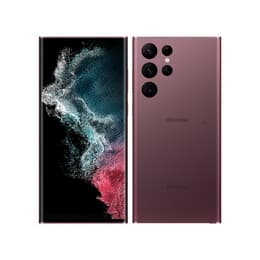
- Rear camera systems: The Galaxy S22 Ultra 5G equips a quad-camera array featuring dedicated periscope telephoto lenses for distant subjects, whereas the iPhone Air features a single high-resolution main camera integrated into a raised rear plateau.
- Video and low-light performance: Both handsets deliver sharp low-light photography and stable video recording capabilities with high dynamic range.
- Media audio: Stereo speaker setups on both devices provide clear audio output for hands-free calls, video viewing, and casual music playback.
Main camera
108 megapixels
48 megapixels
Front camera
40 megapixels
18 megapixels
Miscellaneous
Physical dimensions and connectivity standards reflect the contrasting engineering priorities of each manufacturer.
- Handling and ergonomics: The iPhone Air emphasizes a remarkably thin and lightweight form factor, whereas the Galaxy S22 Ultra 5G is a heavier, boxier device that incorporates an integrated stylus.
- Connectivity: Both models support fast 5G cellular networks, modern Wi-Fi standards, and Bluetooth connectivity, alongside standard NFC support for digital payments.
- Water resistance: Each device carries an IP68 dust and water resistance rating for protection against accidental liquid exposure.
Weight
227 oz
165 oz
Screen size (in)
6.8
6.5
SIM card
Physical SIM + eSIM
eSIM
Carrier compatibility
Unlocked
Unlocked
What the community thinks
Users deciding between these two smartphones will find that their choices depend heavily on physical form factor preferences and operating system familiarity. Community discussions frequently praise the Galaxy S22 Ultra 5G for its versatile zoom capabilities and built-in productivity stylus, though some users note its heavier weight and larger footprint during one-handed use. Conversely, owners of the iPhone Air highlight its exceptionally slim profile and lightweight build as major ergonomic advantages, while noting the absence of optical zoom lenses as a trade-off for its minimalist design.
Users prioritizing productivity tools, flexible multi-lens photography, and an Android environment may prefer the Galaxy S22 Ultra 5G. On the other hand, users prioritizing a lightweight device, a streamlined iOS interface, and ultra-thin handling will find the iPhone Air well-suited to their needs. Exploring a sustainable choice through a quality-assured refurbished option allows consumers to acquire either device with verified performance standards, aligning advanced mobile technology with eco-conscious purchasing decisions.