

Compare models
Galaxy Z Fold7 vs iPhone 17 Pro
- 1-year warranty
- Free standard shipping
- Free 30-day returns
Differences at a glance
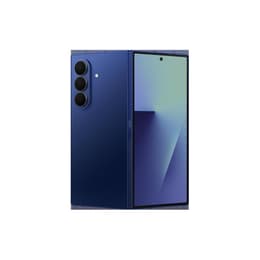
The Samsung Galaxy Z Fold7 (2025) and the iPhone 17 Pro (2025) represent two distinct visions for high-end mobile technology, contrasting a book-style foldable design with a traditional flagship smartphone format. While both devices serve demanding daily workflows, the Galaxy Z Fold7 prioritizes a transformative dual-screen multitasking space, whereas the iPhone 17 Pro focuses on streamlined single-screen ergonomics and optimized software integration. Operating on Android and iOS respectively, these devices offer entirely different approaches to mobile computing for everyday users.
Available Models
Colour
Storage (GB)
Scores
Durability
Both models arrive with long-term vendor backing designed to keep software and security updated for many years, though their hardware physical lifespans face different structural considerations.
- Software longevity: Both platforms deliver extended operating system upgrade timelines stretching across multiple years, matching current flagship industry standards.
- Hardware resilience: The iPhone 17 Pro features a traditional rigid glass-and-metal slab construction, whereas the Galaxy Z Fold7 utilizes a flexible inner screen hinge mechanism that requires mindful handling over prolonged usage cycles.
- Expected lifespan: Users who prefer traditional device durability often find standard slate designs simpler to maintain, while folding owners accept specialized care routines in exchange for expanding screen workspace.
Release year
2025
2025
Operating system
Android
iOS
Foldable
Yes
No
Performance
Equipped with high-end processing hardware and generous memory allocations, both devices handle intensive multitasking, demanding applications, and graphics-heavy gaming without noticeable stutter.
- Multitasking capacity: The Galaxy Z Fold7 leverages its high random-access memory baseline to run multiple split-screen applications simultaneously, while the iPhone 17 Pro handles background processes efficiently through tight hardware-software optimization.
- Battery behavior: The iPhone 17 Pro manages power consumption conservatively for a full day of mixed single-screen tasks, whereas the Galaxy Z Fold7's larger dual-screen setup draws additional energy when the inner display is active for extended periods.
- Storage configurations: Both lineups offer expansive starting storage tiers paired with high-speed data read and write speeds to accommodate large media libraries and heavy local files.
Screen quality
Display architecture is the single largest differentiator between these two options, shifting between a versatile expanding canvas and a refined single-panel viewing experience.
- Display versatility: The Galaxy Z Fold7 features an expansive 8.0-inch inner folding display alongside a traditional 6.5-inch cover screen, while the iPhone 17 Pro provides a single bright 6.3-inch panel with a smooth dynamic refresh rate.
- Outdoor visibility: Both manufacturers incorporate advanced panel brightness enhancement technologies that maintain clear text legibility and color accuracy under direct sunlight.
- Visual immersion: The foldable option creates a tablet-like viewing area well-suited for document editing and media viewing, whereas the Apple flagship offers a seamless, crease-free glass surface for everyday interactions.
Resolution
1968x2184
2622x1206
Audiovisual
Imaging capabilities on both devices accommodate diverse photography styles, ranging from casual everyday snapshots to detailed low-light and high-resolution recording.
- Sensor versatility: The Galaxy Z Fold7 utilizes a high-resolution primary wide sensor paired with optical zoom lenses, whereas the iPhone 17 Pro implements a balanced multi-lens array tuned for consistent color rendering across focal lengths.
- Video production: The Apple device records smooth cinematic footage with advanced stabilization features, while the Samsung foldable provides flexible framing angles made possible by its unique folding postures.
- Media consumption: Stereo speaker setups on both models deliver clear audio output for hands-free calls, video playback, and casual gaming sessions.
Miscellaneous
Physical handling characteristics and connectivity standards shape how each device fits into travel, professional, and daily routines.
- Dimensions and handling: The iPhone 17 Pro maintains a familiar, pocket-friendly width and weight, whereas the Galaxy Z Fold7 offers a wider cover screen than prior generations yet folds into a thicker profile in pockets.
- Ecosystem connectivity: Both models support modern fifth-generation cellular networks, rapid Wi-Fi standards, and secure biometric authentication options like face recognition.
- Build materials: Sturdy aluminum frames and durable exterior glass panels protect both devices against everyday wear and minor bumps.
Weight
215 oz
206 oz
Screen size (in)
8.0
6.3
Network
5G
5G
SIM card
Dual Physical SIM + eSIM
eSIM
Carrier compatibility
Unlocked
Unlocked
What the community thinks
User discussions across online communities frequently highlight the Galaxy Z Fold7 for transforming mobile productivity through its expansive inner display, though some owners note the heavier physical footprint and hinge crease require getting used to. Conversely, community feedback praises the iPhone 17 Pro for its dependable battery efficiency, refined camera consistency, and comfortable pocket ergonomics, though traditional slab users occasionally miss having a larger workspace.
Users prioritizing multi-window multitasking, split-screen workflows, and tablet-sized viewing on the go will find the Galaxy Z Fold7 well-suited to their daily routines. Meanwhile, users prioritizing single-hand comfort, streamlined video capture, and a traditional pocket-friendly format will lean toward the iPhone 17 Pro. For buyers looking at more sustainable purchasing habits, choosing a quality-assured refurbished option provides an eco-friendly alternative that reduces electronic waste without sacrificing performance standards. Ultimately, the decision rests entirely on whether a flexible dual-screen layout or a traditional flagship slab better matches your personal workflow.