
Compare models

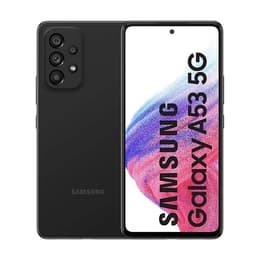
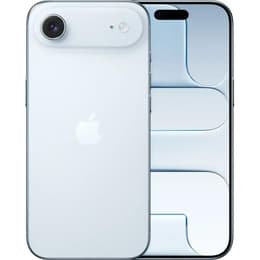
Galaxy A53 5G vs iPhone Air

  • 1-year warranty
  • Free standard shipping
  • Free 30-day returns
Galaxy A53 5G
Starting at

Refurbished price:A$252.00

Versus A$495.00 new

See options
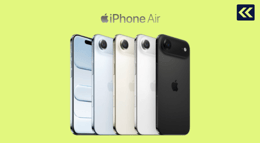
iPhone Air
Starting at

Refurbished price:A$1,061.00

Versus A$1,899.00 new

See options

Differences at a glance

The Samsung Galaxy A53 5G (2022) and the Apple iPhone Air (2025) represent two very different approaches to modern smartphone engineering, spanning different release years and operating systems. While the Galaxy A53 5G focuses on delivering everyday functionality within the Android ecosystem, the iPhone Air introduces a radically thin design and high-performance hardware running iOS. Choosing between them depends heavily on whether you prefer a standard mid-range Android experience or a lightweight, premium Apple device.

Available Models

Colour

Storage (GB)

Scores

Durability

When examining longevity, these devices approach software support and physical endurance from contrasting timelines and engineering standards.

  • Release timeline and software support: The Galaxy A53 5G arrived in 2022 with a structured multi-year update commitment, whereas the newer iPhone Air benefits from Apple's extended software lifecycle and recent release window.
  • Repairability and durability: Both models offer water resistance ratings for everyday protection, though their build materials and repair pathways differ according to their respective manufacturer guidelines.
  • Expected practical lifespan: Users can expect solid multi-year usability from both options, with the iPhone Air holding an advantage in raw processing headroom for future software demands.

Release year

2022

2025

Compatible with latest Update

Yes

Yes

Operating system

Android

iOS

Foldable

No

No

Performance

Underneath the exterior, these smartphones handle everyday multitasking, storage management, and battery longevity through vastly different internal configurations.

  • System responsiveness and multitasking: The iPhone Air handles demanding applications and heavy multitasking smoothly thanks to its current-generation processor, while the Galaxy A53 5G comfortably manages routine daily tasks like web browsing and messaging.
  • Battery behavior: The Galaxy A53 5G features a larger capacity power cell designed to last through a full day of standard use, whereas the ultra-slim profile of the iPhone Air packs a compact battery that relies on efficient power management.
  • Storage configurations: Both devices offer ample internal storage tiers for apps, photos, and media, though the Galaxy A53 5G includes expandable storage via a memory card slot.

Screen quality

Visual output is a central component of daily interaction, and both models deliver bright, clear panels suited for media consumption.

  • Display technology: Both smartphones utilize vibrant OLED technology to produce deep blacks and rich contrast, ensuring an immersive viewing experience for videos and photos.
  • Refresh rate and smoothness: Each device supports a high refresh rate of 120Hz, providing fluid scrolling through menus, web pages, and supported applications.
  • Outdoor visibility: High peak brightness levels on both screens allow for clear legibility when viewing content under direct sunlight.

Resolution

1080 x 2400

2736x1260

Screen type

Super AMOLED

Super Retina XDR

Audiovisual

Photography and audio capabilities vary significantly based on the lens configurations and internal processing power built into each handset.

  • Camera versatility: The Galaxy A53 5G relies on a versatile multi-lens rear array for various shooting styles, while the iPhone Air focuses on a single advanced high-resolution main camera backed by computational photography.
  • Video and low-light performance: The iPhone Air provides steady video stabilization and crisp low-light capture, whereas the Galaxy A53 5G delivers dependable casual photos and standard-definition video recording.
  • Audio output: Media consumption and calls benefit from clear internal speaker setups, with the iPhone Air offering advanced spatial audio features for supported recordings.

Main camera

64 megapixels

48 megapixels

Front camera

32 megapixels

18 megapixels

Miscellaneous

Practical daily usability is shaped by physical dimensions, connectivity standards, and biometric security features.

  • Build and handling: The Galaxy A53 5G features a standard, lightweight plastic frame and back, whereas the iPhone Air utilizes an ultra-slim titanium build that prioritizes a featherlight hand feel.
  • Biometric security: Samsung utilizes an optical in-display fingerprint sensor alongside facial recognition, while Apple relies exclusively on face recognition technology.
  • Connectivity and ports: Both handsets support modern 5G networks and fast Wi-Fi standards, utilizing a universal USB-C port for charging and data transfer.

Weight

189 oz

165 oz

Screen size (in)

6.5

6.5

Network

5G

5G

SIM card

Physical SIM

eSIM

Carrier compatibility

Unlocked

Unlocked

What the community thinks

User feedback highlights distinct preferences for each device across online communities. Owners of the Galaxy A53 5G frequently praise its dependable battery life, expandable storage, and reliable daily performance for standard tasks. On the other hand, users appreciate the iPhone Air for its exceptionally sleek silhouette, powerful processing speeds, and fluid iOS interface. Common discussions note that the ultra-thin build of the Apple device leaves less room for physical battery capacity, while the Samsung model can feel less responsive during intensive gaming sessions.

Users prioritizing a lightweight, highly responsive ecosystem with advanced video tools may prefer the iPhone Air, while users looking for expandable storage and everyday reliability within an Android environment will find the Galaxy A53 5G well-suited to their needs. Exploring a quality-assured refurbished option provides an eco-friendly alternative for acquiring either device while supporting sustainable technology choices. Ultimately, the right choice depends on your preferred operating system and physical design priorities.