
Microsoft Surface Pro 6 12" vs Microsoft Surface Pro 7+ 12"

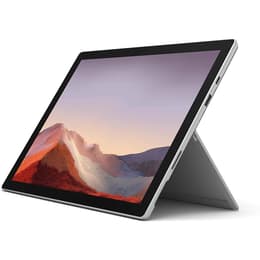
Microsoft Surface Pro 6 12"
See options
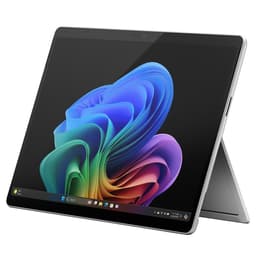
Microsoft Surface Pro 7+ 12"
Starting at

Refurbished price:A$513.00

Versus A$2,967.04 new

See options

The Microsoft Surface Pro 6 and Surface Pro 7 Plus are both versatile 2-in-1 detachable tablet computers designed for productivity and portability. The Surface Pro 6 was released in October 2018, while the Surface Pro 7 Plus followed in January 2021, primarily targeting business and education sectors initially. While they share a similar form factor and the Windows operating system, the newer Surface Pro 7 Plus introduces notable upgrades in internal components, connectivity, and repairability, offering a more modern computing experience.

Scores

Durability

The expected practical lifespan of these devices is influenced by their release timelines, operating system support, and repairability.

  • Release Timeline and OS Support: The Surface Pro 6, released in 2018, originally shipped with Windows 10. Mainstream support for Windows 10 ended on October 14, 2025, meaning devices running it will no longer receive feature updates or free security patches, though Extended Security Updates (ESU) are available for a fee. The Surface Pro 7 Plus, launched in 2021, came with Windows 10 Pro and is fully compatible with Windows 11, which receives ongoing updates. This gives the Surface Pro 7 Plus a longer runway for official software support and access to the latest features.
  • Software Longevity: Users of the Surface Pro 7 Plus can expect a longer period of receiving the latest Windows features and security updates without additional cost, extending its functional life in a secure environment. The Surface Pro 6 can be upgraded to Windows 11, but its older hardware might not offer the same optimized experience as the Pro 7 Plus.
  • Repairability: The Surface Pro 6 received a low repairability score of 1 out of 10 from iFixit due to its difficult-to-remove, glued display and soldered internal components like RAM and SSD, making repairs challenging and costly. The Surface Pro 7 Plus significantly improves on this by featuring a removable SSD, which enhances data security and allows for easier storage upgrades or replacements. However, accessing other internal components, such as the battery, still requires careful display removal.

Release year

2017

2021

Last Os Compatibility

Yes

Yes

Operating system

Windows 11

Windows 11

Performance

The performance capabilities of these two Surface Pro models show a generational leap, impacting how smoothly they handle various tasks.

  • Processor Capabilities: The Surface Pro 6 is equipped with an 8th-generation Intel Core processor, which capably handles everyday computing, web browsing, and office applications. The Surface Pro 7 Plus, however, features an 11th-generation Intel Core processor, offering a substantial boost in processing power and graphical performance. This newer processor allows for smoother multitasking, faster application loading, and more efficient handling of demanding creative software or light gaming.
  • System Responsiveness and RAM: Both devices offer configurations with 8GB or 16GB of RAM. The Surface Pro 7 Plus also has a 32GB RAM option and utilizes faster LPDDR4x RAM compared to the LPDDR3 RAM in the Surface Pro 6. This faster memory, combined with the more powerful processor, contributes to a more responsive overall system, especially when running multiple applications simultaneously or working with large files.
  • Storage Options: Both models offer various SSD storage capacities, ranging from 128GB up to 1TB. A key difference is that the Surface Pro 7 Plus features a removable SSD, providing users with more flexibility for upgrades or data security, whereas the SSD in the Surface Pro 6 is soldered to the motherboard.

Memory (GB)

8 GB

8 GB

Processor

Core i7 - Gen 8 (U)

Core i5-1135G7

Graphic card

Integrated Graphics

Intel Iris Xe Graphics

Screen quality

Both Surface Pro models offer a consistent and high-quality visual experience, maintaining Microsoft's PixelSense display standard.

  • Display Technology and Resolution: Both the Surface Pro 6 and Surface Pro 7 Plus feature a 12.3-inch PixelSense display with a resolution of 2736 x 1824 pixels, resulting in a sharp 267 pixels per inch (PPI). This high resolution ensures text and images appear clear and detailed. The 3:2 aspect ratio provides more vertical screen real estate, which is beneficial for document work and web browsing.
  • Brightness and Clarity: The displays on both devices offer good brightness levels suitable for indoor use and adequate visibility in moderately lit outdoor environments. The PixelSense technology delivers vibrant colors and good contrast, contributing to an engaging viewing experience for media consumption and productivity tasks.
  • Touch and Pen Support: Both screens support 10-point multi-touch and are compatible with the Surface Pen, offering a precise and responsive inking experience for note-taking, drawing, and navigation. The refresh rate on both models is standard, providing smooth scrolling and interaction for typical use.

Resolution

2736 x 1824

2736 x 1824

Screen type

IPS

IPS

Audiovisual

The camera and audio capabilities of these devices are designed to support video conferencing and casual photography.

  • Camera System: Both the Surface Pro 6 and Surface Pro 7 Plus are equipped with an 8-megapixel rear-facing camera and a 5-megapixel front-facing camera. These cameras are suitable for capturing documents, participating in video calls, and taking casual photos. The front camera on the Surface Pro 7 Plus includes infrared (IR) for Windows Hello facial recognition, offering a convenient and secure login method.
  • Photography and Video Quality: For everyday photography and video recording, both devices deliver clear images and decent video quality. The Surface Pro 7 Plus's newer internal processing may offer slight improvements in image processing, but the core camera hardware remains largely similar.
  • Audio Experience: Both models feature integrated speakers and microphones. The speakers provide clear audio for video calls and media playback. The microphone quality is generally good for voice capture during online meetings and dictation. The Surface Pro 7 Plus also supports Dolby Audio Premium, which can enhance the listening experience.

Miscellaneous

Beyond core performance, several practical elements differentiate these two Surface Pro models, impacting daily usability and connectivity.

  • Connectivity Options: The Surface Pro 6 supports Wi-Fi 5 (802.11ac) and Bluetooth 4.1. The Surface Pro 7 Plus offers more modern connectivity with Wi-Fi 6 and Bluetooth 5.1, providing faster wireless speeds and more stable connections, especially in crowded network environments. The Surface Pro 7 Plus also has optional LTE Advanced for mobile internet access, a feature not available on the Pro 6.
  • Port Types: A significant difference lies in their physical ports. The Surface Pro 6 includes a full-size USB-A port, a Mini DisplayPort, a 3.5mm headphone jack, a Surface Connect port, and a MicroSDXC card reader. The Surface Pro 7 Plus replaces the Mini DisplayPort with a more versatile USB-C 3.2 Gen 2 port, which supports power delivery, display output, and faster data transfer speeds. It retains the USB-A port, headphone jack, Surface Connect+, and MicroSDXC card reader (on Wi-Fi models).
  • Weight and Dimensions: Both devices maintain a similar design aesthetic and physical footprint. The Surface Pro 6 weighs approximately 775 grams, while the Surface Pro 7 Plus is around 770-796 grams, depending on the configuration. Their dimensions are nearly identical, making both highly portable.
  • Security Features: The Surface Pro 7 Plus integrates an infrared camera for Windows Hello facial recognition, offering a secure and convenient biometric login. Both devices support TPM for enhanced security.

Weight

1090 oz

770 oz

Screen size

12

12

The Microsoft Surface Pro 6 and Surface Pro 7 Plus, while sharing a familiar design, cater to slightly different user needs due to their generational differences. User feedback often highlights the Surface Pro 6's solid performance for its time and its generally longer battery life compared to the initial Surface Pro 7 (non-Plus) model. However, some users noted its lack of a USB-C port as a limitation for modern peripherals.

The Surface Pro 7 Plus is frequently praised for its significant performance uplift, the inclusion of a versatile USB-C port, and the welcome addition of a removable SSD, which is a notable improvement for longevity and data management. While its battery life is generally improved over the standard Pro 7, some users might still find the Pro 6's endurance in specific tasks, like video playback, to be competitive.

Users prioritizing a more current computing experience with faster performance, modern connectivity, and enhanced repairability for storage will find the Surface Pro 7 Plus well-suited to their needs. This includes professionals requiring more processing power for demanding applications or those who benefit from Wi-Fi 6 and USB-C. Conversely, users primarily focused on basic productivity, web browsing, and media consumption, who may not require the latest ports or raw processing power, might find the Surface Pro 6 to be a capable device. Opting for a quality-assured refurbished option for either model can provide a sustainable choice for those seeking reliable performance without purchasing new.


See all articles

Our recent comparisons