
Lenovo ThinkPad X1 Yoga G4 14" vs Microsoft Surface Pro 7+ 12"

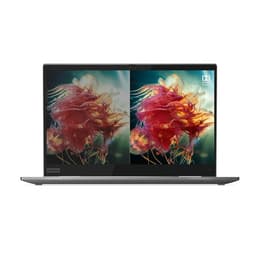
Lenovo ThinkPad X1 Yoga G4 14"
Starting at

Refurbished price:A$507.00

Versus A$1,264.00 new

See options
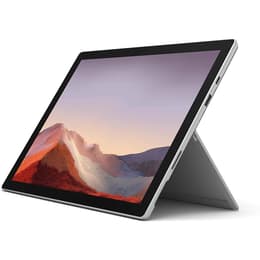
Microsoft Surface Pro 7+ 12"
Starting at

Refurbished price:A$492.00

Versus A$2,967.04 new

See options

The Lenovo ThinkPad X1 Yoga G4, released in 2019, is a 14-inch convertible laptop designed for business and professional use. In contrast, the Microsoft Surface Pro 7 Plus, launched in early 2021, is a 12.3-inch detachable 2-in-1 tablet that offers laptop functionality with an optional keyboard. Both devices run on the Windows operating system, but they cater to different preferences in terms of form factor and portability, with the ThinkPad offering a traditional laptop experience that converts, and the Surface Pro prioritizing tablet-first versatility.

Scores

Durability

The expected practical lifespan of these devices is influenced by their release timelines, operating system support, and physical durability.

  • Release Timeline and Age: The ThinkPad X1 Yoga G4 was released in 2019, making it an older model compared to the Surface Pro 7 Plus, which debuted in 2021. This difference in release year means the Surface Pro 7 Plus benefits from a longer potential period of software updates and security patches from Microsoft.
  • OS Support and Longevity: Both devices run Windows and are capable of upgrading to newer versions of the operating system, extending their software relevance. However, the Surface Pro 7 Plus, being newer, will likely receive official OS updates for a longer duration.
  • Repairability and Build: The ThinkPad X1 Yoga G4 features a robust CNC aluminum chassis and magnesium bottom, tested against military-grade specifications for durability. The Surface Pro 7 Plus has a magnesium alloy construction and notably includes a removable SSD, which can simplify data retention and potential upgrades or replacements.

Release year

2019

2021

Last Os Compatibility

Yes

Yes

Operating system

Windows 11

Windows 11

Performance

Performance varies between these two devices, primarily due to their different processor generations and thermal designs, impacting how they handle various tasks.

  • Processor Capabilities: The ThinkPad X1 Yoga G4 typically features 8th or 10th generation Intel Core processors, suitable for everyday productivity and moderate multitasking. The Surface Pro 7 Plus, being a newer device, incorporates 11th generation Intel Core processors, which generally offer improved speeds and better graphics performance for more demanding applications.
  • Battery Behavior: The ThinkPad X1 Yoga G4 is equipped with a 51 Wh battery, with real-world usage often yielding around 6 hours, particularly with higher-resolution displays. The Surface Pro 7 Plus has a 50.4 Wh battery, and while Microsoft claims up to 15 hours, user experiences often report around 6 to 9 hours of typical use, with some noting faster drain under heavy load.
  • Storage and Responsiveness: Both devices offer fast PCIe NVMe SSD storage options, with the ThinkPad supporting up to 2TB and the Surface Pro 7 Plus offering up to 1TB with the added benefit of a removable SSD. Both provide responsive performance for general computing, though some Surface Pro 7 Plus users have reported performance degradation or throttling when unplugged or under sustained heavy loads.

Memory (GB)

16 GB

8 GB

Processor

Core i7 - Gen 8 (U)

Core i5-1135G7

Graphic card

Integrated Graphics

Intel Iris Xe Graphics

Screen quality

The display experience differs significantly between these two devices, primarily in size, aspect ratio, and available panel technologies.

  • Display Technology and Size: The ThinkPad X1 Yoga G4 features a larger 14-inch IPS touch display, offering various resolution options including FHD, WQHD, and a vibrant 4K UHD Dolby Vision HDR400 panel. The Surface Pro 7 Plus has a more compact 12.3-inch PixelSense IPS display with a resolution of 2736 x 1824 pixels, providing a sharp image.
  • Resolution and Clarity: The ThinkPad's 4K option delivers exceptional detail on its 14-inch screen, while the Surface Pro 7 Plus's 267 PPI (pixels per inch) on its 12.3-inch screen also ensures clear and crisp visuals for text and images.
  • Brightness and Viewing Experience: The ThinkPad X1 Yoga G4 offers display options with brightness levels up to 470 nits for its 4K panel, suitable for various lighting conditions. The Surface Pro 7 Plus typically reaches around 358 nits, which is generally bright enough for indoor use and visible outdoors, though some competitors offer higher brightness. The Surface Pro 7 Plus's 3:2 aspect ratio is often preferred for productivity tasks like document editing and web browsing, while the ThinkPad's 16:9 or 16:10 options are more common for media consumption.

Resolution

1920 x 1080

2736 x 1824

Screen type

IPS

IPS

Audiovisual

Both devices offer integrated camera and audio solutions suitable for video conferencing and media consumption, with some notable differences in specifications.

  • Camera System Capabilities: The ThinkPad X1 Yoga G4 includes a 720p HD front-facing camera, with an optional IR camera for facial recognition. The Surface Pro 7 Plus features a 5.0MP front-facing camera capable of 1080p Full HD video, which also supports Windows Hello facial authentication, and an 8.0MP rear-facing camera with autofocus for capturing photos and videos.
  • Photography and Video: The Surface Pro 7 Plus's higher resolution front and rear cameras generally provide clearer images and video for calls and casual photography compared to the ThinkPad's 720p camera. Both are well-suited for typical video conferencing needs.
  • Audio Experience: The ThinkPad X1 Yoga G4 boasts a Dolby Atmos Speaker System with four speakers (two woofers, two tweeters) and quad-array far-field microphones, designed for clear audio input and output in professional settings. The Surface Pro 7 Plus also features dual far-field Studio Mics and 1.6W stereo speakers with Dolby Atmos, providing a good audio experience for calls and media.

Miscellaneous

Beyond core performance, several practical elements distinguish the user experience of these two devices, from connectivity to physical design.

  • Connectivity Options: The ThinkPad X1 Yoga G4 supports Wi-Fi 5 (802.11ac) and Bluetooth 5.0, with some configurations offering Wi-Fi 6 and optional 4G LTE-A. The Surface Pro 7 Plus comes with Wi-Fi 6 (AX201) and Bluetooth 5.0/5.1, along with optional LTE Advanced, providing modern wireless capabilities.
  • Port Types: The ThinkPad X1 Yoga G4 offers a comprehensive selection including two Thunderbolt 3 / USB-C 3.1 Gen 2 ports, two USB 3.1 Gen 1 Type-A ports, HDMI 1.4b, and an Ethernet extension connector. The Surface Pro 7 Plus provides one USB-C (USB 3.2 Gen 2), one full-size USB-A (USB 3.2 Gen 2), a 3.5mm headphone jack, a Surface Connect port, and a MicroSDXC card reader (or Nano SIM slot for LTE models), but lacks Thunderbolt connectivity.
  • Weight and Dimensions: The ThinkPad X1 Yoga G4, starting at 1.35 kg (2.99 lbs) with dimensions of 323 x 218 x 15.5 mm, is a relatively lightweight 14-inch convertible. The Surface Pro 7 Plus is significantly lighter and more compact as a tablet, starting at 770g (1.7 lbs) without its Type Cover, and measuring 292 x 201 x 8.5 mm.
  • Integrated Stylus: The ThinkPad X1 Yoga G4 includes a garaged ThinkPad Pen Pro that recharges when stored, offering convenience for note-taking and drawing. The Surface Pro 7 Plus supports the Surface Pen, which is typically sold separately.

Weight

1360 oz

770 oz

Screen size

14

12

User feedback for the Lenovo ThinkPad X1 Yoga G4 often highlights its robust build quality, comfortable keyboard, and the versatility of its 2-in-1 design. Users appreciate the integrated stylus and the option for a high-resolution 4K display. Some common criticisms revolve around the battery life, particularly with the 4K display option, and its slightly heavier profile compared to some ultraportables.

The Microsoft Surface Pro 7 Plus is frequently praised for its vibrant display, capable cameras, and good speakers, making it suitable for media consumption and video calls. The removable SSD is a notable advantage for data management. However, common concerns include battery life not consistently meeting advertised figures, the presence of thick display bezels, and the fact that essential accessories like the Type Cover keyboard are sold separately. Some users have also reported occasional performance issues or overheating under certain conditions.

Users prioritizing a traditional laptop experience with a robust, convertible design, a larger screen, and a built-in stylus may find the Lenovo ThinkPad X1 Yoga G4 well-suited to their needs. Its comprehensive port selection and durable construction make it a strong choice for professionals who require a reliable workhorse. Conversely, individuals seeking a highly portable, tablet-first device with strong camera capabilities and a removable SSD for flexible storage will likely lean towards the Microsoft Surface Pro 7 Plus. Its compact form factor and touch-optimized experience are ideal for those who value mobility and a versatile digital canvas. Both devices offer a quality-assured refurbished option, providing an eco-friendly alternative for consumers.


See all articles

Our recent comparisons