
iPhone
Compare models
Differences at a glance
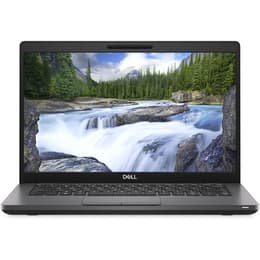
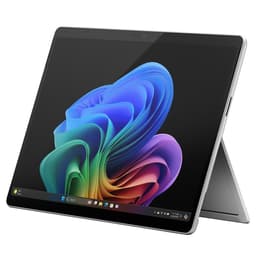
The Dell Latitude 5400, released in 2019, is a traditional business-oriented laptop, while the Microsoft Surface Pro 6, launched in 2018, is a versatile 2-in-1 detachable tablet. Both devices run on the Windows operating system, but they offer distinct form factors and user experiences. The Latitude 5400 prioritizes a conventional laptop design with a focus on connectivity and upgradeability, whereas the Surface Pro 6 emphasizes portability and touch-based interaction with its tablet-first approach.
Storage
Processor
Memory
The practical lifespan of these devices is influenced by their release dates and the nature of their design.
Release year
Last Os Compatibility
Operating system
Both devices are equipped with similar generation processors, but their configurations and form factors lead to different performance characteristics.
Graphic card
The display experience differs significantly between these two devices, primarily due to their intended use cases and form factors.
Resolution
Screen type
The camera and audio capabilities reflect the primary functions of each device, with the Surface Pro 6 offering more versatility in its camera setup.
Key differences in connectivity, physical design, and security features cater to distinct user preferences.
Weight
Screen size
The Dell Latitude 5400 and Microsoft Surface Pro 6 cater to different user needs, reflecting their distinct designs and feature sets. Users often praise the Latitude 5400 for its robust build quality, extensive port selection, and comfortable keyboard, making it a reliable workhorse for traditional office environments and users who require numerous peripheral connections. Its strong battery life is also a frequently noted positive, allowing for extended productivity on the go. Some criticisms occasionally point to its more conventional design and potentially less vibrant display compared to more modern consumer devices.
Conversely, the Surface Pro 6 is lauded for its exceptional portability, high-resolution PixelSense display, and the versatility of its 2-in-1 form factor, which appeals to users who value a device that can seamlessly transition between laptop and tablet modes. Its facial recognition login and premium feel are also commonly appreciated. A frequent point of discussion among users is the absence of a USB-C port and the fact that essential accessories like the Type Cover and Surface Pen are sold separately, impacting the overall out-of-box experience.
Users prioritizing a traditional laptop experience with ample connectivity and potential for internal upgrades may find the Dell Latitude 5400 more suitable. Its focus on a stable, business-oriented platform makes it a strong choice for professionals. Those who value extreme portability, a high-quality touch display, and the flexibility of a tablet combined with laptop functionality will likely lean towards the Microsoft Surface Pro 6. Both devices offer a solid Windows experience, and choosing between them often comes down to whether a conventional laptop or a highly adaptable 2-in-1 device better fits one's daily workflow. For those considering either option, exploring quality-assured refurbished alternatives can be an eco-friendly and practical choice.