
Dell Latitude 7400 14" vs Microsoft Surface Pro 6 12"

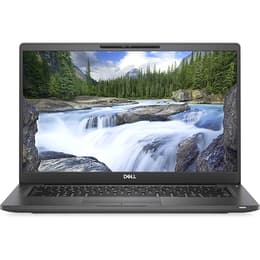
Dell Latitude 7400 14"
See options
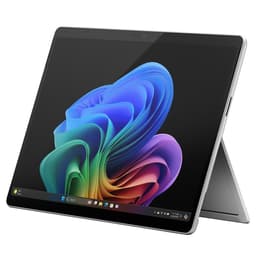
Microsoft Surface Pro 6 12"
See options

The Dell Latitude 7400, released in 2019, is a traditional business-oriented laptop, while the Microsoft Surface Pro 6, launched in 2018, is a 2-in-1 detachable tablet computer. These devices offer distinct form factors and user experiences, with the Latitude prioritizing a conventional laptop setup and the Surface Pro focusing on versatility as both a tablet and a laptop. Both run on the Windows operating system, providing a familiar software environment for users.

Scores

Durability

The Dell Latitude 7400 and Microsoft Surface Pro 6, both released around 2018-2019, are now several years into their lifecycle. Their practical lifespan is influenced by ongoing software support and the physical durability of their designs.

  • Release Timeline: The Dell Latitude 7400 was released in 2019, making it slightly newer than the Microsoft Surface Pro 6, which debuted in October 2018. This difference in release dates can translate to a marginally longer period of official software updates for the Latitude 7400.
  • OS Support & Updates: Both devices run Windows, and their longevity is tied to Microsoft's support for their respective processors. As older models, they will continue to receive security updates and feature updates for a period, but newer operating system versions might eventually introduce features that are less optimized for their hardware.
  • Durability & Repairability: The Latitude 7400 is built with business-grade durability, often undergoing MIL-STD 810G testing, suggesting a robust construction designed for demanding environments. The Surface Pro 6 features a magnesium casing, offering a premium feel and reasonable durability for a portable 2-in-1 device. Repairability for both devices can vary depending on the specific components and design, but as older models, parts may be more readily available through refurbished channels.

Release year

2018

2017

Last Os Compatibility

Yes

Yes

Operating system

Windows 11

Windows 11

Performance

Both the Dell Latitude 7400 and the Microsoft Surface Pro 6 are equipped with processors from the same generation, offering comparable performance for everyday computing tasks. However, their configurations and form factors can influence their real-world responsiveness.

  • Processor Capabilities: Both devices feature 8th-generation processors, capable of handling common productivity applications, web browsing, and media consumption smoothly. The Latitude 7400 often comes with higher RAM configurations, up to 32GB, which can provide more headroom for intensive multitasking or running multiple demanding applications simultaneously. The Surface Pro 6 typically offers up to 16GB of RAM.
  • Storage Options: Both models offer Solid State Drive (SSD) storage options, contributing to fast boot times and quick application loading. The Latitude 7400 can be configured with up to 1TB of NVMe PCIe SSD storage, while the Surface Pro 6 also offers various SSD capacities.
  • Battery Behavior: The Dell Latitude 7400 is known for its strong battery life, with some configurations offering up to 60Wh batteries, designed to last through a full workday. User reviews often highlight its impressive endurance. The Surface Pro 6 also provides good battery life, with Microsoft claiming up to 13.5 hours of typical usage, making it suitable for mobile use.

Memory (GB)

8 GB

8 GB

Processor

Core i5 - Gen 8 (U)

Core i7 - Gen 8 (U)

Graphic card

Integrated Graphics

Integrated Graphics

Screen quality

The display experience differs significantly between these two devices, primarily due to their form factors and intended use cases.

  • Display Technology and Resolution: The Dell Latitude 7400 typically features a 14-inch Full HD (1920 x 1080) IPS or WVA display, with options for anti-glare and touch functionality. The Microsoft Surface Pro 6 boasts a 12.3-inch PixelSense display with a higher resolution of 2736 x 1824 pixels, resulting in a sharper image and higher pixel density (267 PPI).
  • Brightness and Clarity: The Latitude 7400's display often offers around 300 nits of brightness, which is suitable for indoor use and some outdoor conditions. The Surface Pro 6's PixelSense display is known for its vibrant colors and high brightness, providing excellent clarity and viewing angles, which is beneficial for both productivity and media consumption.
  • Form Factor and Viewing Experience: The Latitude 7400's larger 14-inch screen provides more screen real estate for multitasking and traditional laptop use. The Surface Pro 6, with its 12.3-inch display and 3:2 aspect ratio, offers a more tablet-like experience, which can be advantageous for reading and note-taking, especially when detached from its keyboard.

Resolution

1920 x 1080

2736 x 1824

Screen type

LCD

IPS

Camera

Audiovisual

While neither device is primarily designed as a photography tool, they both include cameras and audio capabilities suitable for video conferencing and basic multimedia needs.

  • Camera System: The Dell Latitude 7400 typically includes a 720p HD webcam, which is standard for business laptops and sufficient for video calls. The Microsoft Surface Pro 6 features a 5MP front-facing camera capable of 1080p HD video and an 8MP rear-facing camera with autofocus and 1080p HD video recording. This makes the Surface Pro 6 more versatile for capturing images or scanning documents.
  • Microphone Quality: Both devices are equipped with dual microphones, designed to provide clear audio input for online meetings and voice commands.
  • Speaker Output: The Latitude 7400 offers integrated speakers suitable for conference calls and general audio playback. The Surface Pro 6 features 1.6W stereo speakers with Dolby Audio Premium, providing a more immersive audio experience for media consumption.

Miscellaneous

Beyond core performance and display, several practical elements differentiate the Dell Latitude 7400 and the Microsoft Surface Pro 6, impacting their usability in various scenarios.

  • Connectivity Options: The Latitude 7400 offers a comprehensive selection of ports, including USB-A, USB-C with Thunderbolt 3, HDMI, and often an Ethernet port, catering to a wide range of peripherals and external displays. It also supports Wi-Fi 5 (802.11ac) or Wi-Fi 6 (802.11ax) and Bluetooth 5.0, with optional LTE mobile broadband. The Surface Pro 6 has a more limited port selection, including a USB 3.0 Type-A port, Mini DisplayPort, and a microSDXC card reader, relying on its Surface Connect port for charging and docking. It supports Wi-Fi 5 (802.11ac) and Bluetooth 4.1.
  • Weight and Dimensions: The Dell Latitude 7400 is a 14-inch laptop, weighing around 1.35 kg (2.99 lbs) to 1.535 kg (3.38 lbs), with dimensions suitable for a traditional notebook. The Surface Pro 6 is significantly lighter and more compact, weighing approximately 770g (1.70 lbs) for the i5 model, making it highly portable as a tablet.
  • Security and Build Materials: The Latitude 7400 often includes advanced security features like facial recognition and fingerprint readers, along with a robust build quality expected from a business-class device. The Surface Pro 6 also offers facial recognition for secure login and features a premium magnesium casing.

Weight

1360 oz

1090 oz

Screen size

14

12

The Dell Latitude 7400 and Microsoft Surface Pro 6 cater to different user needs, reflecting their distinct designs and functionalities. User feedback for the Latitude 7400 often praises its robust build, comfortable keyboard, and exceptional battery life, making it a reliable workhorse for professionals who require a traditional laptop experience. Some users note that its display brightness could be higher in certain configurations.

The Surface Pro 6 is frequently lauded for its portability, high-resolution PixelSense display, and the versatility of its 2-in-1 form factor, which appeals to those who need both a tablet and a laptop. Common observations include its limited port selection compared to traditional laptops.

Users prioritizing a durable, full-sized laptop with extensive connectivity and long battery life for sustained productivity may prefer the Dell Latitude 7400. Its traditional clamshell design and business-oriented features make it well-suited for office environments or users who spend extended periods typing and multitasking. Conversely, individuals who value extreme portability, a high-resolution touch display, and the flexibility to switch between laptop and tablet modes will find the Microsoft Surface Pro 6 a compelling choice. It is particularly suitable for creative tasks, presentations, or on-the-go consumption of media.

Both devices, as older models, are excellent candidates for refurbishment, offering an eco-friendly and quality-assured alternative for consumers seeking reliable technology.


See all articles

Our recent comparisons