
Dell Latitude 5400 14" vs Microsoft Surface Pro 7+ 12"

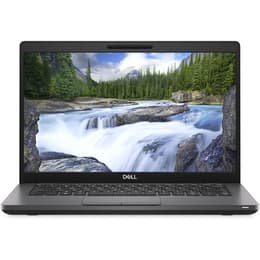
Dell Latitude 5400 14"
See options
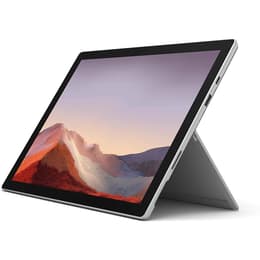
Microsoft Surface Pro 7+ 12"
Starting at

Refurbished price:A$513.00

Versus A$2,967.04 new

See options

The Dell Latitude 5400, released in 2019, is a traditional business-oriented laptop, while the Microsoft Surface Pro 7 Plus, launched in early 2021, is a versatile 2-in-1 tablet and laptop hybrid. These devices cater to different user needs, primarily distinguished by their form factor, portability, and performance capabilities. Both run on the Windows operating system, offering a familiar software environment, but their hardware designs lead to distinct user experiences.

Scores

Durability

The expected practical lifespan of these devices varies due to their release dates and design philosophies.

  • Release Timeline: The Dell Latitude 5400 was released in 2019, making it an older model compared to the Microsoft Surface Pro 7 Plus, which debuted in 2021. This difference in age directly impacts the remaining duration of official software support and potential hardware longevity.
  • OS Support: As a newer device, the Surface Pro 7 Plus is likely to receive operating system updates for a longer period than the Latitude 5400, extending its software longevity. Both devices run Windows, ensuring a consistent update path from Microsoft.
  • Repairability: The Dell Latitude 5400, being a traditional laptop, often features a design that allows for easier access to internal components for upgrades or repairs, such as RAM and storage. The Surface Pro 7 Plus, while offering a removable SSD, is generally less user-serviceable due to its compact, tablet-first design.
  • Build and Durability: The Latitude 5400 typically features a robust chassis designed for business environments, often with MIL-STD 810G testing for durability against drops and vibrations. The Surface Pro 7 Plus, while well-built with a magnesium alloy construction, is a more delicate device due0 to its tablet form factor and larger screen area, which could be more susceptible to damage if not protected.

Release year

2019

2021

Last Os Compatibility

Yes

Yes

Operating system

Windows 11

Windows 11

Performance

The performance of these two devices is influenced by their respective hardware generations and design priorities.

  • Processor Capabilities: The Dell Latitude 5400 is equipped with 8th-generation processors, which provide solid performance for everyday office tasks, web browsing, and light multitasking. The Microsoft Surface Pro 7 Plus features 11th-generation processors, offering a noticeable boost in speed and efficiency, particularly for more demanding applications and complex workloads.
  • System Responsiveness: Users of the Surface Pro 7 Plus will generally experience faster application loading, smoother transitions, and more responsive overall system performance due to its newer processor architecture and often faster memory. The Latitude 5400 still provides a capable experience for general productivity, but the difference becomes apparent with resource-intensive software.
  • Battery Behavior: The Dell Latitude 5400, depending on the configuration, can offer extended battery life, with some models reporting over 13 hours of usage for web surfing. The Surface Pro 7 Plus also provides good battery endurance, typically around 10.5 to 15 hours, making both suitable for a full workday away from a power outlet.
  • Storage and RAM: Both devices offer various storage configurations, typically using fast solid-state drives (SSDs) for quick boot times and application loading. The Latitude 5400 often features upgradeable RAM, providing flexibility for users to expand memory as needed. The Surface Pro 7 Plus offers a removable SSD, which can be beneficial for data security and potential upgrades, though RAM is typically not user-upgradeable.

Memory (GB)

16 GB

8 GB

Processor

Core i7 - Gen 8 (U)

Core i5-1135G7

Graphic card

Integrated Graphics

Intel Iris Xe Graphics

Screen quality

The display experience differs significantly between the traditional laptop and the 2-in-1 hybrid.

  • Display Technology and Resolution: The Dell Latitude 5400 typically comes with a 14-inch Full HD (1920 x 1080) display, often with an anti-glare finish, and some configurations include touch functionality. The Microsoft Surface Pro 7 Plus features a 12.3-inch PixelSense display with a higher resolution of 2736 x 1824 pixels, offering greater clarity and detail.
  • Brightness and Clarity: The Surface Pro 7 Plus's PixelSense display is known for its vibrant colors and higher pixel density, providing a sharp and clear viewing experience. While the Latitude 5400's Full HD display is adequate for productivity, some configurations may have lower brightness levels compared to the Surface Pro 7 Plus, which can impact outdoor visibility.
  • Touch and Aspect Ratio: The Surface Pro 7 Plus is inherently a touch-first device with a 10-point multi-touch screen and a 3:2 aspect ratio, which is well-suited for document viewing and productivity tasks. The Latitude 5400 offers touch as an optional feature, and its 16:9 aspect ratio is more traditional for laptop use and media consumption.
  • Refresh Rate: Both devices typically feature a standard 60Hz refresh rate, providing a smooth visual experience for general use, but neither is designed for high-refresh-rate gaming or specialized visual tasks.

Resolution

1920 x 1080

2736 x 1824

Screen type

IPS

IPS

Audiovisual

The camera and audio capabilities reflect the primary use cases for each device.

  • Camera System: The Dell Latitude 5400 includes a standard webcam, typically 720p, suitable for video conferencing in business settings. The Microsoft Surface Pro 7 Plus features a 5.0MP front-facing camera with 1080p full HD video and an 8.0MP rear-facing autofocus camera, making it more versatile for video calls, quick photos, and document scanning.
  • Low-Light Performance: The Surface Pro 7 Plus's cameras generally offer better performance in varying lighting conditions compared to the more basic webcam found in the Latitude 5400.
  • Video Recording Quality: The Surface Pro 7 Plus supports 1080p video recording on both front and rear cameras, providing clearer video output for presentations or casual recording. The Latitude 5400's webcam is primarily for communication.
  • Audio Experience: The Surface Pro 7 Plus incorporates dual far-field Studio Mics and 1.6W stereo speakers with Dolby Atmos, enhancing audio clarity for calls and media consumption. The Latitude 5400 provides functional speakers and microphones suitable for business communication.

Miscellaneous

Beyond core performance, several practical elements differentiate these devices.

  • Connectivity Options: The Dell Latitude 5400 offers a comprehensive range of ports, including multiple USB-A ports, HDMI, Ethernet, and a microSD card reader, with some configurations including USB-C with Thunderbolt 3. The Microsoft Surface Pro 7 Plus includes USB-C, USB-A, a 3.5mm headphone jack, a Surface Connect port, and a MicroSDXC card reader, with optional LTE Advanced for mobile connectivity.
  • Weight and Dimensions: The Latitude 5400 is a 14-inch laptop weighing around 1.48 kg to 1.52 kg, with dimensions typical of a business notebook. The Surface Pro 7 Plus is significantly lighter and more compact, weighing approximately 0.77 kg without its Type Cover, making it highly portable as a tablet.
  • Build Materials and Durability Features: The Latitude 5400 often utilizes a polycarbonate chassis with carbon fiber reinforced polymer in some models, designed for business durability. The Surface Pro 7 Plus features a premium unibody magnesium design. Both offer features like spill-resistant keyboards (on the Latitude) and Windows Hello for secure login.
  • Sensors: The Surface Pro 7 Plus includes an ambient light sensor, accelerometer, gyroscope, and magnetometer, enhancing its tablet functionality. The Latitude 5400 typically includes standard laptop sensors.

Weight

7500 oz

770 oz

Screen size

14

12

The Dell Latitude 5400 and Microsoft Surface Pro 7 Plus cater to distinct user preferences, primarily defined by their form factors and intended use cases. The Latitude 5400 is often praised by users for its robust build, extensive port selection, and comfortable keyboard, making it a reliable workhorse for traditional office environments. Common feedback highlights its dependable performance for everyday business tasks and its upgradeable components. Some users, however, note that its design can be less modern and its display, in some configurations, may lack the vibrancy of newer panels.

Conversely, the Surface Pro 7 Plus receives acclaim for its exceptional portability, high-resolution touchscreen display, and versatility as a 2-in-1 device. Users appreciate its performance for productivity and media consumption, as well as its improved battery life over previous Surface models. Criticisms sometimes point to the need to purchase accessories like the Type Cover and Surface Pen separately to unlock its full potential, and some users desire thinner display bezels.

Users prioritizing a traditional laptop experience with a focus on durability, a wide array of physical ports, and potential for internal upgrades may prefer the Dell Latitude 5400. It is well-suited for professionals who primarily work at a desk and require a stable, reliable machine for business applications. On the other hand, individuals who value extreme portability, a high-quality touchscreen for creative or interactive work, and the flexibility of a tablet and laptop in one device will find the Microsoft Surface Pro 7 Plus more aligned with their needs. It is an excellent choice for students, travelers, or those who frequently present or take notes on the go. Both devices are available as quality-assured refurbished options, providing an eco-friendly alternative for consumers.


See all articles

Our recent comparisons