
Dell Latitude 7390 13" vs Microsoft Surface Pro 7+ 12"

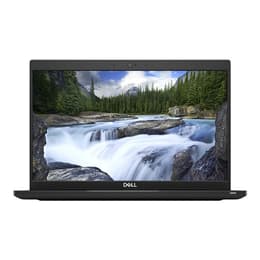
Dell Latitude 7390 13"
See options
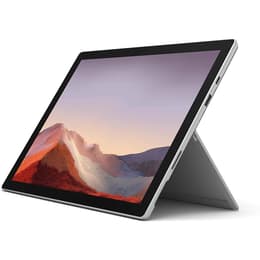
Microsoft Surface Pro 7+ 12"
Starting at

Refurbished price:A$513.00

Versus A$2,967.04 new

See options

The Dell Latitude 7390 13, released in 2018, is a business-oriented laptop that also comes in a 2-in-1 convertible form factor. The Microsoft Surface Pro 7 Plus 12, launched in 2021, is a versatile 2-in-1 device designed to function as both a tablet and a laptop. Both devices operate on the Windows platform, but they differ significantly in their design philosophy, release timelines, and core hardware, which impacts their performance and user experience.

Scores

Durability

The Dell Latitude 7390 13 and the Microsoft Surface Pro 7 Plus 12 present different expectations for long-term usability, primarily due to their release dates and form factors.

  • Release Timeline: The Latitude 7390 13 was released in 2018, making it an older device compared to the Surface Pro 7 Plus 12, which launched in 2021. This age difference directly influences how long each device will continue to receive major operating system updates and security patches.
  • Software Support: The Surface Pro 7 Plus 12, being a newer model, is expected to receive software updates for a longer duration, extending its functional lifespan and compatibility with newer applications. The Latitude 7390 13, while still capable of running current Windows versions, will likely reach its end-of-life for official support sooner.
  • Repairability and Build: The Latitude 7390 13 features a robust build, often utilizing magnesium alloy or carbon fiber, designed for business durability. The Surface Pro 7 Plus 12 also boasts a durable magnesium unibody design, and its removable SSD offers a degree of serviceability for storage upgrades or data retention.

Release year

2017

2021

Last Os Compatibility

Yes

Yes

Operating system

Windows 11

Windows 11

Performance

The performance capabilities of these two devices are largely influenced by their respective processor generations and design approaches.

  • Processor Capabilities: The Latitude 7390 13 is equipped with an 8th generation Intel Core processor, which handles everyday computing tasks, web browsing, and office applications effectively. The Surface Pro 7 Plus 12 features an 11th generation Intel Core processor, offering more recent architecture that provides enhanced responsiveness for demanding applications, smoother multitasking, and improved efficiency.
  • System Responsiveness: Users of the Surface Pro 7 Plus 12 will generally experience faster application loading and more fluid transitions between tasks due to its newer processor and faster RAM (LPDDR4x). The Latitude 7390 13, while still performing well for its generation, may show its age when handling more intensive workloads or numerous applications simultaneously.
  • Storage and Multitasking: Both devices offer solid-state drive (SSD) storage options, contributing to quick boot times and fast data access. The Surface Pro 7 Plus 12's removable SSD provides flexibility for data management. Both models are available with ample RAM configurations, supporting efficient multitasking for typical user needs.

Memory (GB)

16 GB

8 GB

Processor

Core i7 - Gen 8 (U)

Core i5-1135G7

Graphic card

Integrated Graphics

Intel Iris Xe Graphics

Screen quality

The visual experience on the Dell Latitude 7390 13 and the Microsoft Surface Pro 7 Plus 12 differs in terms of display technology, resolution, and overall clarity.

  • Display Technology and Resolution: The Latitude 7390 13 typically features a 13.3-inch Full HD (1920 x 1080) IPS display, providing clear visuals suitable for productivity tasks and media consumption. The Surface Pro 7 Plus 12 boasts a 12.3-inch PixelSense display with a higher resolution of 2736 x 1824 pixels, resulting in a sharper image and greater detail, particularly noticeable for text and intricate graphics.
  • Brightness and Clarity: The Latitude 7390 13 generally offers a brightness of around 300 nits, which is adequate for indoor use and some outdoor conditions. The Surface Pro 7 Plus 12's display is also known for good brightness and clarity, enhancing visibility in various lighting environments.
  • Touch and Aspect Ratio: Both devices offer touch-enabled screens, with the Surface Pro 7 Plus 12 designed with a 10-point multi-touch display and a 3:2 aspect ratio, which provides more vertical screen real estate, beneficial for document work and web browsing. The Latitude 7390 13, while offering touch options, typically has a 16:9 aspect ratio.

Resolution

1920 x 1280

2736 x 1824

Screen type

IPS

IPS

Audiovisual

The camera, microphone, and speaker capabilities vary between the Dell Latitude 7390 13 and the Microsoft Surface Pro 7 Plus 12, impacting communication and media consumption.

  • Camera System: The Latitude 7390 13 includes a standard HD webcam, suitable for basic video conferencing. The Surface Pro 7 Plus 12 offers a more advanced camera setup, featuring a 5.0MP front-facing camera for clear video calls and an 8.0MP rear-facing camera with autofocus for capturing images and video, both capable of 1080p Full HD video recording. It also includes a Windows Hello face authentication camera for secure login.
  • Microphone Quality: The Surface Pro 7 Plus 12 is equipped with dual far-field Studio Mics, designed to capture clear audio and reduce background noise during calls and recordings. The Latitude 7390 13 features standard microphones, adequate for typical use.
  • Speaker Output: For audio playback, the Surface Pro 7 Plus 12 features 1.6W stereo speakers with Dolby Atmos, providing a more immersive sound experience for media consumption. The Latitude 7390 13 has stereo speakers, offering functional audio output.

Miscellaneous

Beyond core performance and display, several practical elements differentiate the Dell Latitude 7390 13 and the Microsoft Surface Pro 7 Plus 12.

  • Connectivity Options: The Latitude 7390 13 offers a comprehensive selection of traditional ports, including multiple USB-A ports, HDMI, and an Ethernet port, which can be beneficial for connecting various peripherals and wired networks without adapters. It also includes USB-C, with some configurations supporting Thunderbolt 3. The Surface Pro 7 Plus 12 provides a more streamlined port selection with one USB-C, one USB-A, and a Surface Connect port, requiring adapters for some legacy peripherals. Both support modern Wi-Fi and Bluetooth standards.
  • Form Factor and Portability: The Latitude 7390 13 is a traditional clamshell laptop, though 2-in-1 convertible versions exist, weighing between 1.17 kg and 1.42 kg. The Surface Pro 7 Plus 12 is a lighter and more compact 2-in-1 tablet, weighing approximately 770g without its detachable keyboard, making it highly portable and adaptable for use as a tablet.
  • Security Features: Both devices incorporate security features. The Latitude 7390 13 may include an optional fingerprint reader and IR camera for Windows Hello facial recognition, along with a Smart Card reader. The Surface Pro 7 Plus 12 features Windows Hello face authentication for secure and convenient login.

Weight

1442 oz

770 oz

Screen size

13

12

Users often praise the Dell Latitude 7390 13 for its robust build quality and comprehensive port selection, making it a reliable choice for traditional office environments and users who prefer a dedicated laptop form factor. Common feedback sometimes points to its older hardware generation compared to newer devices, which can affect its long-term performance for demanding tasks. The Microsoft Surface Pro 7 Plus 12 is frequently lauded for its exceptional versatility as a 2-in-1 device, its vibrant high-resolution display, and its portability, making it a favorite among users who need a flexible device for both productivity and creative work. Some users note that the keyboard and pen, essential for a full laptop experience, are often separate purchases.

Users prioritizing a traditional laptop experience with a wide array of built-in connectivity options and a focus on business-grade durability may find the Dell Latitude 7390 13 well-suited to their needs. Conversely, users who value portability, a high-resolution touch display, and the flexibility of switching between a tablet and laptop form factor will likely lean toward the Microsoft Surface Pro 7 Plus 12. Both devices offer distinct advantages depending on individual workflow and preferences, and choosing a quality-assured refurbished option can provide an eco-friendly alternative for either model.

See all articles

Our recent comparisons