
Dell Latitude 7390 13" vs Microsoft Surface Pro 6 12"

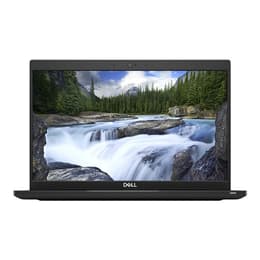
Dell Latitude 7390 13"
See options
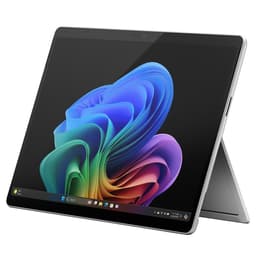
Microsoft Surface Pro 6 12"
See options

The Dell Latitude 7390, released in 2018, is a business-oriented laptop that often comes in a traditional clamshell or 2-in-1 convertible design. The Microsoft Surface Pro 6, also launched in October 2018, is a versatile 2-in-1 detachable tablet computer. Both devices run on the Windows operating system and aim to provide portable computing solutions, but they differ significantly in their form factor and intended use cases.

Scores

Durability

The practical lifespan of these devices is influenced by their release timeline, software support, and build quality.

  • Release Timeline: Both the Dell Latitude 7390 and the Microsoft Surface Pro 6 were released in 2018. This means they share a similar age and will likely follow comparable timelines for receiving major operating system updates.
  • Software Longevity: Both devices initially shipped with Windows 10 and are capable of upgrading to Windows 11. The duration of official software updates and security patches from Microsoft will be similar for both, ensuring continued functionality and security for several more years.
  • Build and Durability: The Dell Latitude 7390 is often described as having a sturdy build, with some models featuring a carbon-fiber-reinforced polymer lid and MIL-STD-810G certification for resistance against shock, vibration, and environmental extremes. The Surface Pro 6 features a magnesium alloy body, offering a premium feel and solid construction. The Dell Latitude 7390 2-in-1 models may also feature Gorilla Glass 4 for screen protection.

Release year

2017

2017

Last Os Compatibility

Yes

Yes

Operating system

Windows 11

Windows 11

Performance

Both devices are equipped with processors from the same generation, leading to comparable performance for many tasks, though specific configurations can vary.

  • Processor Capabilities: Both the Dell Latitude 7390 and the Microsoft Surface Pro 6 utilize 8th-generation Intel Core i5 or i7 processors. This allows them to handle everyday productivity applications, web browsing, and multitasking efficiently. Users can expect smooth operation for typical office work and content consumption.
  • Storage and RAM: Both models offer various configurations for RAM (typically 8GB or 16GB) and SSD storage, impacting overall responsiveness and the ability to manage multiple applications simultaneously. Higher RAM configurations will provide a smoother experience for heavy multitasking.
  • Battery Behavior: The Dell Latitude 7390 is noted for its long battery life, with some configurations offering over 10 hours of use in web browsing tests. The Surface Pro 6 also provides good battery life, with up to 13.5 hours reported for typical use. Both are designed to last through a workday.

Memory (GB)

16 GB

8 GB

Processor

Core i7 - Gen 8 (U)

Core i7 - Gen 8 (U)

Graphic card

Integrated Graphics

Integrated Graphics

Screen quality

The display experience on these devices offers distinct characteristics due to differences in size, resolution, and aspect ratio.

  • Display Technology and Resolution: The Dell Latitude 7390 features a 13.3-inch Full HD (1920 x 1080) IPS display, often with a matte finish to reduce reflections. The Microsoft Surface Pro 6 has a 12.3-inch PixelSense display with a higher resolution of 2736 x 1824 pixels, resulting in a higher pixel density.
  • Brightness and Color: The Latitude 7390's display offers good brightness, typically around 300 nits, and covers a wide color gamut, providing vibrant images. The Surface Pro 6's display is also known for being bright and vivid, with excellent color reproduction, often exceeding 400 nits of brightness.
  • Aspect Ratio and Viewing Experience: The Latitude 7390 typically uses a 16:9 aspect ratio, common for laptops. The Surface Pro 6 features a 3:2 aspect ratio, which provides more vertical screen real estate, often preferred for productivity tasks like document editing and web browsing.

Resolution

1600 x 1200

2736 x 1824

Screen type

IPS

IPS

Camera

Audiovisual

The camera systems on both devices are primarily designed for video conferencing and basic photography, with some differences in features.

  • Camera Resolution: The Dell Latitude 7390 typically includes a standard HD webcam for video calls. The Microsoft Surface Pro 6 features a 5-megapixel front-facing camera and an 8-megapixel rear-facing camera, both capable of 1080p HD video recording.
  • Security Features: Both devices support Windows Hello for secure login. The Latitude 7390 can offer facial recognition via an infrared camera or a fingerprint reader. The Surface Pro 6 also includes Windows Hello facial recognition.
  • Microphone and Speakers: Both devices include built-in microphones for calls and stereo speakers for audio output. The Latitude 7390's speakers have been noted as being adequate for a business laptop, while the Surface Pro 6 features front-firing stereo speakers with Dolby Audio.

Miscellaneous

Beyond core performance and display, several practical elements differentiate these two devices, impacting their usability in various scenarios.

  • Form Factor and Portability: The Dell Latitude 7390 is a traditional laptop or 2-in-1 convertible, weighing around 1.17 kg to 1.42 kg. The Surface Pro 6 is a tablet-first 2-in-1, weighing approximately 0.77 kg to 0.78 kg (tablet only), making it significantly lighter and more portable when used without its detachable keyboard.
  • Connectivity and Ports: The Latitude 7390 offers a comprehensive selection of ports, including USB-A, HDMI, Ethernet, and often USB-C with Thunderbolt 3 support. The Surface Pro 6 has a more limited port selection, including USB-A, Mini DisplayPort, and a microSD card slot, but notably lacks a USB-C port.
  • Input and Accessories: The Latitude 7390 features a built-in keyboard and touchpad, with some models offering a backlit keyboard. The Surface Pro 6 relies on optional accessories like the Type Cover keyboard and Surface Pen for a full laptop experience and creative input.

Weight

1500 oz

1090 oz

Screen size

13

12

The Dell Latitude 7390 and Microsoft Surface Pro 6, both released in 2018, cater to slightly different user needs despite sharing similar internal components. Users often praise the Latitude 7390 for its robust build quality, extensive port selection, and reliable performance as a business-focused laptop. Some common criticisms include its potentially dated design and, in some configurations, a less-than-ideal keyboard or speaker quality.

The Surface Pro 6 is frequently lauded for its exceptional portability, high-resolution PixelSense display, and versatility as a tablet-first 2-in-1 device. However, users sometimes express concerns about its limited port selection, particularly the absence of USB-C, and the additional cost of essential accessories like the Type Cover.

Users prioritizing a traditional laptop experience with a wide array of connectivity options and a focus on business-grade durability may prefer the Dell Latitude 7390. This device is well-suited for professionals who require a stable, reliable machine for desk-based work or frequent travel where a full keyboard and diverse ports are essential. Conversely, users who value extreme portability, a high-resolution touch display for creative tasks, and the flexibility of a tablet form factor may lean toward the Microsoft Surface Pro 6. Its design is ideal for those who frequently switch between typing and touch-based interactions, such as students or mobile professionals. Both devices are available as quality-assured refurbished options, providing an eco-friendly alternative for consumers.

See all articles

Our recent comparisons