iPhone SE (2016) vs iPhone X

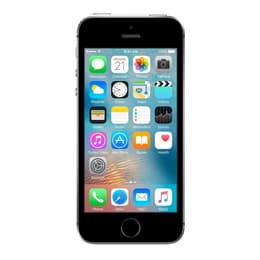
iPhone SE (2016)
iPhone SE (2016)
Starting at

Refurbished price:A$108.84

Versus A$219.00 new

See options
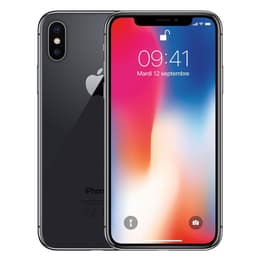
iPhone X
iPhone X
Starting at

Refurbished price:A$235.00

Versus A$429.00 new

See options

Ratings

The iPhone SE (2016) and the iPhone X (2017) represent distinct design philosophies and technological advancements from Apple. The iPhone SE (2016) offered a compact form factor with familiar features, while the iPhone X introduced a significant redesign with a larger, edge-to-edge display and new biometric authentication. Both devices run on Apple's iOS operating system, but their hardware differences lead to varying user experiences and capabilities.

Scores

Durability

The iPhone SE (2016) was released in March 2016, making it an older device compared to the iPhone X, which launched in November 2017. This age difference impacts their software longevity.

  • OS Support Duration: The iPhone SE (2016) received its last major iOS update with iOS 15, while the iPhone X supports up to iOS 16. This means the iPhone X will continue to receive security updates and app compatibility for a longer period.
  • Repairability: Both devices feature an aluminum frame and glass front, with the iPhone X introducing a glass back. Repairability scores for both models are generally moderate, with common components being replaceable.
  • Practical Lifespan: The practical lifespan of either device, especially when considering a quality-assured refurbished option, depends on individual usage patterns and the importance of the latest software features.

Release year

2016

2017

Compatible with latest Update

No

No

Operating system

iOS

iOS

Foldable

No

No

Performance

The iPhone SE (2016) and iPhone X offer different levels of performance for daily tasks.

  • Storage Options: The iPhone SE (2016) was available with up to 128 GB of internal storage, while the iPhone X offered 64 GB or 256 GB, providing more headroom for users with extensive media libraries or numerous applications.
  • Battery Behavior: The iPhone X generally provides longer battery life for typical use cases, such as web browsing and video playback, due to its larger battery capacity and more power-efficient components. Users of the iPhone SE (2016) may find themselves needing to charge more frequently, especially with heavy use.
  • System Responsiveness: The iPhone X, with its newer internal components, handles demanding applications, complex games, and multitasking with greater fluidity and speed. While the iPhone SE (2016) remains capable for basic tasks and lighter applications, users engaging in more intensive activities will notice a more responsive experience on the iPhone X.

Memory (GB)

2 GB

3 GB

Screen quality

The display technologies and viewing experiences differ significantly between these two iPhone models.

  • Display Technology: The iPhone SE (2016) features a 4-inch IPS LCD display, known for its natural color reproduction and good viewing angles. The iPhone X, however, introduced a 5.8-inch Super Retina OLED display, which offers deeper blacks, higher contrast, and more vibrant colors.
  • Resolution and Clarity: The iPhone X's OLED display boasts a higher resolution, resulting in sharper text and more detailed images compared to the iPhone SE (2016)'s display. This difference is particularly noticeable when viewing high-resolution content.
  • Screen Size and Viewing Experience: The iPhone X's larger, edge-to-edge display provides a more immersive viewing experience for videos, games, and web browsing. The iPhone SE (2016)'s compact 4-inch screen is ideal for one-handed use and portability, but offers a smaller canvas for media consumption.

Resolution

640 x 1136

1125 x 2436

Screen type

IPS LCD

Super Retina OLED

Audiovisual

The camera systems and audio capabilities saw notable advancements between these two generations.

  • Camera System Capabilities: The iPhone SE (2016) features a single 12-megapixel rear camera and a 1.2-megapixel front camera. The iPhone X significantly upgrades this with a dual 12-megapixel rear camera system, including a wide-angle and a telephoto lens, enabling optical zoom and Portrait Mode. Its front-facing TrueDepth camera also offers a higher resolution 7-megapixel sensor.
  • Photography Performance: The iPhone X generally delivers improved image quality, especially in challenging lighting conditions, thanks to its larger sensors and more advanced image processing. Its telephoto lens allows for clearer zoomed-in shots, and Portrait Mode adds depth effects not available on the iPhone SE (2016).
  • Video Recording Quality: Both devices can record 4K video, but the iPhone X offers enhanced video stabilization and slow-motion capabilities. The iPhone X's front camera also supports 1080p video recording, a step up from the iPhone SE (2016)'s 720p.
  • Speaker Output: The iPhone X features stereo speakers, providing a more immersive audio experience for media consumption compared to the single bottom-firing speaker on the iPhone SE (2016).

Main camera

12 megapixels

12 megapixels

Front camera

1.2 megapixels

7 megapixels

Miscellaneous

Beyond core performance, several practical elements distinguish these two devices.

  • Connectivity Options: Both devices support 4G LTE and Wi-Fi 802.11ac. The iPhone X includes Bluetooth 5.0, offering improved range and speed over the iPhone SE (2016)'s Bluetooth 4.2.
  • Port Types: The iPhone SE (2016) includes a 3.5mm headphone jack, a feature absent on the iPhone X, which relies solely on its Lightning port for charging, data transfer, and audio output.
  • Biometric Authentication: The iPhone SE (2016) uses Touch ID, a fingerprint sensor integrated into the home button. The iPhone X introduced Face ID, a facial recognition system that replaces Touch ID and the home button entirely.
  • Weight and Dimensions: The iPhone SE (2016) is significantly smaller and lighter at 123.8 x 58.6 x 7.6 mm and 113g, making it highly pocketable and easy for one-handed use. The iPhone X is larger and heavier at 143.6 x 70.9 x 7.7 mm and 174g, offering a more expansive screen experience.

Weight

113 oz

174 oz

Screen size (in)

4

5.8

Network

4G

4G

SIM card

Physical SIM

Physical SIM

Carrier compatibility

Unlocked

Unlocked

Connector

Lightning

Lightning

Users often praise the iPhone SE (2016) for its compact size, allowing for comfortable one-handed operation and easy portability. Its familiar design, including the physical home button and headphone jack, is also a frequent point of appreciation. However, common criticisms revolve around its smaller screen size for media consumption and its aging internal components, which can lead to slower performance with newer applications and a shorter remaining software support window.

The iPhone X, on the other hand, is frequently lauded for its groundbreaking edge-to-edge OLED display, which provides a modern and immersive visual experience. Its advanced camera system, particularly the dual rear cameras and Face ID, are also often highlighted as significant improvements. Some users, however, express concerns about the removal of the headphone jack and the initial adjustment period to Face ID and gesture-based navigation.

Users prioritizing a highly portable device for essential communication and lighter tasks, who also value a physical home button and a headphone jack, may find the iPhone SE (2016) well-suited to their needs. Conversely, users who prioritize a larger, more immersive display, advanced camera capabilities, and modern biometric security will likely lean towards the iPhone X. Both models are available as quality-assured refurbished options, providing an eco-friendly alternative. The decision ultimately depends on whether a compact, traditional experience or a more modern, feature-rich display and camera system aligns better with individual preferences.
See all articles

Our recent comparisons