Compare models
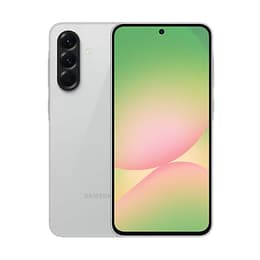
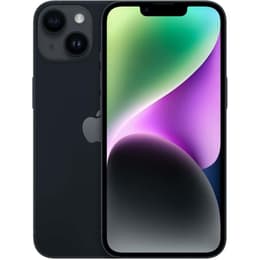
Galaxy A56 vs iPhone 14
- 1-year warranty
- Free standard shipping
- Free 30-day returns
Differences at a glance
The Samsung Galaxy A56 (2025) and the Apple iPhone 14 (2022) represent distinct approaches to modern smartphone engineering. While the Galaxy A56 offers a larger display and an Android software environment, the iPhone 14 relies on Apple's integrated iOS ecosystem within a compact form factor. These two devices provide different pathways for users seeking reliable everyday technology.
Available Models
Colour
Storage (GB)
Scores
Durability
When evaluating hardware longevity and software support, both devices offer robust timelines aligned with their respective release years, though their update cycles and maintenance profiles differ.
- Software Support Window: The Galaxy A56 benefits from a multi-year Android update commitment spanning several major platform upgrades, whereas the iPhone 14 has a slightly shorter remaining window of official iOS support based on its earlier launch date.
- Repairability and Build Maintenance: Both models utilize sealed glass and metal structures that require professional tooling for internal component repairs, though standard replacement parts for screens and batteries remain widely accessible through authorized service channels.
- Expected Practical Lifespan: Users can expect both devices to maintain reliable daily performance for several years, provided that battery health is maintained through normal usage habits.
Release year
2025
2022
Operating system
Android
iOS
Foldable
No
No
Performance
Daily operation and multitasking capabilities vary across these devices due to differences in processor architecture, memory allocation, and operating system optimization.
- App Loading and Multitasking: Both smartphones handle standard messaging, web browsing, and streaming smoothly, while shifting between demanding applications is managed efficiently through optimized system memory and processor resource allocation.
- Battery Behavior: The Galaxy A56 incorporates a larger physical power cell designed to comfortably sustain mixed usage patterns through a full day, whereas the iPhone 14 relies on tighter software efficiency to manage its more compact battery capacity under similar daily demands.
- System Responsiveness: Animations and interface navigation remain fluid across both platforms, though heavy 3D gaming and sustained processor-intensive tasks run with steady thermal management on both units.
Screen quality
Display characteristics differ significantly in physical dimensions, refresh rates, and panel technologies, influencing media consumption and outdoor visibility.
- Panel Technology and Clarity: Both devices utilize advanced organic light-emitting diode technology that delivers deep black levels and high contrast ratios, though the Galaxy A56 offers a noticeably larger workspace for media viewing and reading.
- Refresh Rate and Motion Smoothness: The Galaxy A56 features a high refresh rate panel that yields smoother scrolling through web pages and system menus, while the iPhone 14 utilizes a standard refresh rate.
- Outdoor Brightness: Both screens reach sufficient peak luminance levels to maintain legibility under direct sunlight, supported by automatic ambient light adjustments.
Resolution
1080x2340
1170 x 2532
Audiovisual
Photography and video capture configurations cater to distinct styles, balancing multi-lens versatility against streamlined software processing.
- Rear Camera Systems: The Galaxy A56 employs a flexible triple-lens array featuring a high-resolution primary sensor, an ultra-wide option, and a dedicated macro lens, while the iPhone 14 utilizes a dual-lens setup focused on optimized primary and ultra-wide performance.
- Low-Light and Video Performance: Both models capture detailed images in challenging lighting environments through automated night processing modes, and both record stable high-definition video with clear stereo audio capture.
- Media and Audio Output: Built-in stereo speakers on both smartphones deliver balanced sound output suitable for casual podcast listening, video calls, and media streaming without external accessories.
Miscellaneous
Physical design choices, sensor integration, and connectivity standards shape the everyday handling and utility of each device.
- Dimensions and Handling: The iPhone 14 provides a lighter, more compact footprint that suits single-handed operation, whereas the Galaxy A56 features a larger chassis that accommodates its expansive screen area.
- Biometric Authentication: The Galaxy A56 incorporates an optical in-display fingerprint sensor alongside facial recognition, while the iPhone 14 relies entirely on secure three-dimensional facial scanning technology.
- Connectivity and Ports: Both models support fifth-generation cellular networks and modern wireless standards, utilizing a reversible universal cable standard for wired charging and data synchronization.
Weight
198 oz
172 oz
Screen size (in)
6.7
6,1
Network
5G
5G
SIM card
Physical SIM + eSIM
Physical SIM + eSIM
Carrier compatibility
Unlocked
Unlocked
What the community thinks
Choosing between the Samsung Galaxy A56 and the Apple iPhone 14 depends primarily on individual platform preference and hardware priorities. Users who prefer a larger screen workspace, high refresh rate scrolling, and the flexibility of the Android operating system often lean toward the Samsung Galaxy A56. Conversely, users who value a compact form factor, single-handed ergonomics, and integration within the iOS ecosystem frequently prefer the Apple iPhone 14. Performance in daily tasks remains consistent across both models, meaning the final decision rests on physical size, software environment, and display preferences.
For those mindful of environmental impact, choosing a quality-assured refurbished option provides a sustainable choice that extends device lifecycles while delivering fully tested functionality.