Compare models

iPhone Air vs Motorola Razr 40 Ultra

  • 1-year warranty
  • Free standard shipping
  • Free 30-day returns
iPhone Air
Starting at

Refurbished price:A$1,099.00

Versus A$1,899.00 new

See options
Motorola Razr 40 Ultra
Starting at

Refurbished price:A$551.00

Versus A$2,158.00 new

See options

Differences at a glance

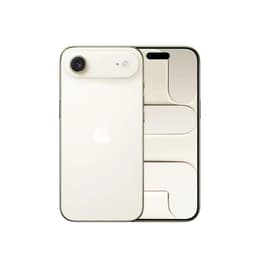
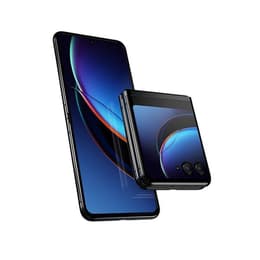
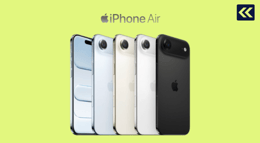
The iPhone Air (2025) and the Motorola Razr 40 Ultra (2023) represent two distinct approaches to modern mobile engineering, contrasting a paper-thin slate smartphone with a flexible clamshell foldable. While the iPhone Air prioritizes minimalist thickness and streamlined performance running on iOS, the Motorola Razr 40 Ultra focuses on a compact folding form factor powered by Android. These devices cater to different structural philosophies while offering unique daily user experiences.

Available Models

Colour

Storage

Scores

Durability

When evaluating structural longevity and software support, both devices approach hardware lifespan through different generational timelines and physical configurations.

  • Software Update Schedule: The iPhone Air benefits from Apple's extended platform support timeline, ensuring multi-year operating system upgrades, whereas the Motorola Razr 40 Ultra follows Android's standard upgrade lifecycle.
  • Physical Resilience: The iPhone Air utilizes a rigid, ultra-slim metal and glass construction with high-grade dust and water resistance, while the Motorola Razr 40 Ultra features a folding mechanism that requires specialized hinge care over years of daily folding and unfolding.

Release year

2025

2023

Compatible with latest Update

Yes

Yes

Operating system

iOS

Android

Foldable

No

Yes

Performance

Daily speed and multitasking capabilities differ significantly based on the internal hardware integration and operating systems of each device.

  • Multitasking Responsiveness: Both devices handle heavy applications, rapid app switching, and demanding mobile games smoothly, supported by high-capacity RAM configurations and current-generation processing architecture.
  • Battery Endurance: The iPhone Air's slim profile houses a compact battery cell optimized for efficiency, whereas the Motorola Razr 40 Ultra relies on a split-cell battery design that manages power across both its internal and external screens during standard daily use.

Screen quality

Display technology defines the primary visual interface, offering entirely different viewing mechanics between a standard slate and a dual-screen foldable.

  • Panel Technology and Resolution: The iPhone Air features a vibrant OLED display with high peak brightness levels for outdoor visibility, while the Motorola Razr 40 Ultra utilizes a flexible folding organic light-emitting diode panel paired with a large, functional cover screen for quick interactions.
  • Refresh Rate and Motion: Both models support high refresh rates up to 120Hz or higher, delivering fluid scrolling animations and responsive touch feedback during gaming and media consumption.

Resolution

2736x1260

1080 x 2640

Screen type

Super Retina XDR

Foldable LTPO AMOLED

Audiovisual

Imaging hardware and media output cater to casual creators and everyday communicators through distinct optical layouts.

  • Camera System Setup: The iPhone Air relies on a streamlined single-lens rear camera system capable of high-resolution computational photography, while the Motorola Razr 40 Ultra uses a dual rear camera array that doubles as a selfie setup when folded.
  • Audio and Video Output: Media playback differs as the iPhone Air utilizes a single speaker arrangement, whereas the Motorola Razr 40 Ultra delivers stereo sound output suitable for hands-free video viewing.

Main camera

48 megapixels

12 megapixels

Front camera

18 megapixels

32 megapixels

Miscellaneous

Physical dimensions, connectivity standards, and daily ergonomics highlight how each device fits into pockets and hands.

  • Form Factor and Handling: The iPhone Air measures an exceptionally thin 5.6 mm profile at a lightweight 165 grams, while the Motorola Razr 40 Ultra folds down into a compact square shape that takes up less vertical pocket space.
  • Connectivity and Ports: Both models support modern wireless standards including 5G and fast Wi-Fi protocols, utilizing USB Type-C physical connections for charging and data transfer.

Weight

165 oz

192 oz

Screen size (in)

6.5

6,9

Network

5G

5G

SIM card

eSIM

Physical SIM

Carrier compatibility

Unlocked

Unlocked

What the community thinks

User discussions across tech forums highlight distinct preferences when comparing these two form factors. Owners of the iPhone Air frequently praise its remarkably lightweight chassis, premium build materials, and smooth software integration. Conversely, users of the Motorola Razr 40 Ultra often commend its versatile cover screen utility, compact folded footprint, and creative framing angles enabled by the folding hinge design. At the same time, some community members note that the iPhone Air's ultra-thin design results in a single-camera layout and average speaker output, while Razr users occasionally mention the visible crease on the main screen and shorter battery duration under heavy use.

Users prioritizing an exceptionally thin, lightweight slate design with long-term software support may prefer the iPhone Air. Meanwhile, users looking for a compact folding device with an expansive cover screen for notifications will lean toward the Motorola Razr 40 Ultra. Choosing a quality-assured refurbished option through Back Market provides an eco-friendly alternative for acquiring either model while supporting sustainable electronics consumption. Ultimately, the decision depends on whether a traditional minimalist profile or a flexible folding configuration better matches daily routines.