
iPhone 14 Plus vs Motorola Razr 40

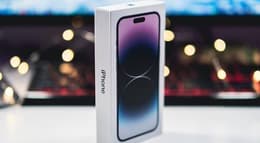
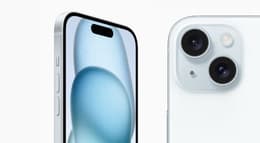
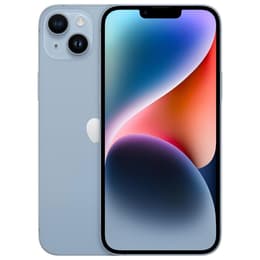
iPhone 14 Plus
iPhone 14 Plus
Starting at

Refurbished price:A$480.00

Versus A$1,249.00 new

See options
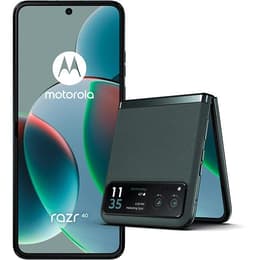
Motorola Razr 40
Motorola Razr 40
See options

Ratings

The iPhone 14 Plus, released in October 2022, and the Motorola Razr 40, launched in June 2023, represent distinct approaches to smartphone design and user experience. While the iPhone 14 Plus offers a traditional large-screen slab form factor within Apple's ecosystem, the Motorola Razr 40 stands out with its unique foldable design and Android operating system, catering to users seeking a compact yet expansive device.

Scores

Durability

The longevity of a smartphone is influenced by its release timeline, software support, and physical durability. These two devices offer different expectations in these areas.

  • Software Support: The iPhone 14 Plus launched with iOS 16 and typically receives major iOS updates for approximately five to six years from its release. The Motorola Razr 40, which debuted with Android 13, is promised three major Android OS upgrades and four years of bi-monthly security updates, meaning it is expected to receive updates up to Android 16.
  • Physical Durability: The iPhone 14 Plus features a Ceramic Shield front cover and an IP68 rating for dust and water resistance, contributing to its overall robustness. The Motorola Razr 40 has a water-repellent coating and an IP52 rating, offering protection against splashes and limited dust ingress. Its foldable nature introduces a mechanical hinge, which is a key design element.
  • Practical Lifespan: Users can expect the iPhone 14 Plus to remain fully functional and receive software support for an extended period, aligning with Apple's consistent update policy. The Razr 40's software support, while improved for Motorola, provides a slightly shorter guaranteed update window compared to Apple's typical duration.

Release year

2022

2023

Compatible with latest Update

Yes

Yes

Operating system

iOS

Android

Foldable

No

Yes

Performance

Performance and battery behavior are critical for daily smartphone use, impacting everything from app responsiveness to how long a device lasts on a single charge.

  • Processing Power: The iPhone 14 Plus is equipped with a powerful current-generation processor that ensures smooth operation across demanding applications, graphics-intensive games, and seamless multitasking. The Motorola Razr 40 features a capable processor designed for efficient everyday tasks, handling typical apps and general usage with responsiveness.
  • Battery Endurance: The iPhone 14 Plus is recognized for its excellent battery life, often providing extended usage that can last for up to two days for many users. The Motorola Razr 40, with its 4200 mAh battery, generally offers sufficient power for a full day of moderate use, and it supports both wired and wireless charging for convenience.
  • System Responsiveness: Both devices offer fluid user experiences, though the iPhone 14 Plus tends to maintain a higher level of performance consistency under heavy loads due to its optimized hardware and software integration. The Razr 40 provides a smooth experience for most users, with occasional performance variations noted during intensive tasks.

Memory (GB)

6 GB

8 GB

Screen quality

The display is a primary interface for any smartphone, and these two devices offer distinct visual experiences, particularly due to their form factors.

  • Display Technology and Size: The iPhone 14 Plus features a large 6.7-inch Super Retina XDR OLED display, known for its deep blacks and vibrant colors. The Motorola Razr 40 boasts a 6.9-inch Foldable LTPO AMOLED main display, offering a larger screen area when unfolded, along with a smaller 1.5-inch AMOLED cover display for quick interactions.
  • Resolution and Clarity: The iPhone 14 Plus provides a sharp 2778x1284 pixel resolution at 458 pixels per inch (ppi), delivering clear and detailed visuals. The Razr 40's main display has a resolution of 1080x2640 pixels, resulting in a pixel density of approximately 413 ppi, which offers good clarity for most content.
  • Brightness and Refresh Rate: The iPhone 14 Plus reaches a typical maximum brightness of 800 nits and a peak HDR brightness of 1200 nits, ensuring good visibility in various lighting conditions. Its refresh rate is a standard 60Hz. The Motorola Razr 40's main display offers a higher 144Hz refresh rate for smoother scrolling and animations, with a peak brightness of 1400 nits, enhancing outdoor visibility.

Resolution

1284 x 2778

1080 x 2640

Screen type

Super Retina XDR OLED

Foldable LTPO AMOLED

Audiovisual

Camera capabilities are a significant factor for many users, and both phones offer systems designed to capture moments, albeit with different strengths.

  • Rear Camera System: The iPhone 14 Plus features a dual-camera system with a 12MP main sensor (f/1.5 aperture) and a 12MP ultra-wide sensor (f/2.4 aperture), which includes improvements for better low-light performance and image stabilization. The Motorola Razr 40 is equipped with a dual rear camera setup, including a 64MP main sensor (f/1.7 aperture) with optical image stabilization (OIS) and a 13MP ultra-wide sensor (f/2.2 aperture) that also functions for macro shots.
  • Photography Performance: The iPhone 14 Plus delivers consistent and detailed photos with natural color reproduction, performing well in various lighting conditions, especially with its enhanced low-light capabilities. The Razr 40 produces colorful and well-lit images in good lighting, with the main camera offering good sharpness, though some users note that detail can be less refined compared to higher-end smartphones.
  • Video Recording and Front Camera: Both devices support 4K video recording. The iPhone 14 Plus offers a 12MP TrueDepth front camera with autofocus, providing clear selfies and video calls. The Motorola Razr 40 has a 32MP front camera, which uses pixel binning to produce 8MP images, and it can also record 4K video.

Main camera

12 megapixels

64 megapixels

Front camera

12 megapixels

32 megapixels

Miscellaneous

Beyond core features, several practical elements contribute to the overall user experience and device utility.

  • Connectivity and Ports: Both the iPhone 14 Plus and Motorola Razr 40 support 5G cellular connectivity and Wi-Fi 6 for fast wireless internet. The iPhone 14 Plus uses a Lightning port for charging and data transfer, while the Razr 40 features a USB-C port. Both include Bluetooth 5.3 for accessory connections.
  • Security and Sensors: The iPhone 14 Plus relies on Face ID for secure facial recognition and authentication. The Motorola Razr 40 incorporates a side-mounted fingerprint sensor for biometric security, alongside face unlock.
  • Design and Handling: The iPhone 14 Plus is a larger, traditional smartphone weighing 203 grams, offering a substantial screen without the folding mechanism. The Motorola Razr 40, weighing 188.6 grams, is a foldable device that becomes significantly more compact when closed, enhancing portability, though its unfolded aspect ratio is notably tall.

Weight

203 oz

189 oz

Screen size (in)

6,7

6,9

Network

5G

5G

SIM card

Physical SIM + eSIM

Dual Physical SIM + eSIM

Carrier compatibility

Unlocked

Unlocked

The iPhone 14 Plus and Motorola Razr 40 cater to different user preferences, each excelling in specific areas. User feedback for the iPhone 14 Plus frequently highlights its exceptional battery life and large, vibrant display as key advantages. Many appreciate the consistent performance and the reliability of the iOS ecosystem. Criticisms often point to the 60Hz refresh rate and the familiar design, which some users find less innovative compared to other devices.

For the Motorola Razr 40, common praise centers on its unique foldable form factor, which offers a blend of a large screen experience with enhanced portability. Users also generally commend its capable performance for daily tasks and the inclusion of a high refresh rate display. Some common concerns include the camera performance not always matching high-end competitors and the software update policy, while improved, still being a consideration for long-term support.

Users prioritizing a large, enduring battery and a consistently smooth experience within a well-established ecosystem may find the iPhone 14 Plus well-suited to their needs. Conversely, individuals who value a distinctive, compact design, a high refresh rate display, and the flexibility of the Android operating system might lean towards the Motorola Razr 40. Both devices offer compelling features for different user profiles, and considering quality-assured refurbished options can provide an eco-friendly alternative for either choice.

See all articles

Our recent comparisons