
Compare models

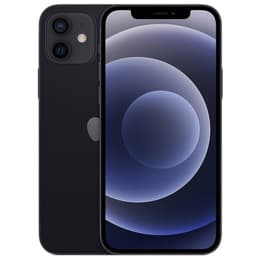
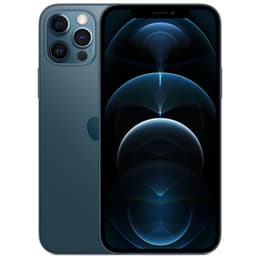
iPhone 12 vs iPhone 12 Pro

  • 1-year warranty
  • Free standard shipping
  • Free 30-day returns
iPhone 12
iPhone 12
Starting at

Refurbished price:A$310.00

Versus A$1,049.00 new

See options
iPhone 12 Pro
iPhone 12 Pro
Starting at

Refurbished price:A$402.00

Versus A$1,119.00 new

See options

Differences at a glance

The iPhone 12 and iPhone 12 Pro, both released in October 2020, represent Apple's smartphone offerings from the same generation. While they share a foundational design and the same core processing power, the iPhone 12 Pro introduces advanced camera capabilities and a more robust build material, catering to users with specific needs beyond the standard model. Both devices operate on Apple's iOS platform, offering a consistent software experience. [2, 13]

Scores

Durability

Both the iPhone 12 and iPhone 12 Pro, launched in October 2020, benefit from Apple's long-term software support, with compatibility extending to iOS 26 as of November 2025. This ensures users receive security updates and new features for several years following their release. [2, 7, 13]

  • Software Longevity: Both models are expected to receive iOS updates for approximately 5-6 years from their release, offering a comparable lifespan in terms of software support. [2]
  • Physical Durability: Both devices feature a Ceramic Shield front cover and an IP68 rating for water and dust resistance, designed to withstand immersion up to 6 meters for 30 minutes. The iPhone 12 Pro, however, features a stainless steel frame compared to the iPhone 12's aluminum, potentially offering a more robust feel. [2, 3, 18]
  • Repairability: Both the iPhone 12 and 12 Pro received a repairability score of 6 out of 10 from iFixit. While common components like the display and battery are designed for replacement, some repairs might be challenging due to proprietary screws and waterproofing measures. [5]

Release year

2020

2020

Compatible with latest Update

Yes

Yes

Operating system

iOS

iOS

Foldable

No

No

Performance

At their core, both the iPhone 12 and iPhone 12 Pro are powered by the same A14 Bionic chip, providing comparable speed and efficiency for most applications. However, differences in RAM and storage options may influence performance for demanding tasks and user habits. [1, 2, 18]

  • Processor Capabilities: Both phones utilize the Apple A14 Bionic chip, featuring a 6-core CPU and 4-core GPU, enabling smooth performance across applications, efficient multitasking, and capable handling of graphics-intensive games. [2, 3]
  • Memory and Storage: The iPhone 12 comes with 4GB of RAM, while the iPhone 12 Pro features 6GB of RAM. This additional memory in the Pro model can provide a slight advantage in keeping more applications open in the background without needing to reload them. Storage options vary, with the iPhone 12 offering up to 256GB and the iPhone 12 Pro extending to 512GB. [2, 14, 18]
  • Battery Behavior: Both models share a similar 2,815 mAh battery capacity. In real-world usage, battery life can be comparable, though some tests indicate the iPhone 12 might have slightly longer endurance. The use of 5G connectivity on either device can lead to a noticeable reduction in battery life. [1, 2, 15, 26]

Memory (GB)

4 GB

6 GB

Screen quality

The display experience on both the iPhone 12 and iPhone 12 Pro is largely similar, with both featuring high-quality OLED panels. However, the Pro model offers a notable difference in typical brightness. [3, 20]

  • Display Technology: Both models feature a 6.1-inch Super Retina XDR OLED display with a resolution of 2532 x 1170 pixels, providing vibrant colors and deep blacks. [1, 3, 20]
  • Brightness Levels: The iPhone 12 has a typical maximum brightness of 625 nits, while the iPhone 12 Pro offers a brighter 800 nits for typical use. Both can reach a peak brightness of 1200 nits when displaying HDR content. This means the Pro model may offer a slight edge in outdoor visibility. [1, 3, 20, 21]
  • Refresh Rate: Both devices feature a standard 60Hz refresh rate, which provides a smooth experience for most daily tasks, though it is not as fluid as higher refresh rate displays found in some other smartphones. [1, 3, 20]

Resolution

1170 x 2532

1170 x 2532

Screen type

Super Retina XDR OLED

Super Retina XDR OLED

Audiovisual

While both iPhone 12 models offer capable camera systems, the iPhone 12 Pro distinguishes itself with an additional telephoto lens, a LiDAR scanner, and advanced video recording capabilities. [1, 2, 5]

  • Rear Camera System: The iPhone 12 features a dual 12MP camera system with a Wide (f/1.6) and Ultra Wide (f/2.4) lens. The iPhone 12 Pro upgrades to a triple 12MP camera system, adding a Telephoto lens (f/2.0) for 2x optical zoom in and a 4x optical zoom range. [2, 5, 22]
  • Advanced Photography Features: The iPhone 12 Pro includes a LiDAR scanner, which enhances low-light autofocus and enables Night mode portraits, providing more depth information for augmented reality applications. It also supports Apple ProRAW, offering greater control over photo editing for professional users. Both models support Night mode, Deep Fusion, and Smart HDR 3 for improved image quality in various lighting conditions. [2, 5, 18, 22]
  • Video Recording Capabilities: Both phones can record HDR video with Dolby Vision. The iPhone 12 supports this up to 4K at 30 frames per second (fps), while the iPhone 12 Pro extends this capability, allowing HDR video recording with Dolby Vision up to 4K at 60 fps, providing smoother and more dynamic video capture. [2, 5]

Main camera

12 megapixels

12 megapixels

Front camera

12 megapixels

12 megapixels

Miscellaneous

Beyond core performance and camera, several practical elements distinguish these two devices, from their physical construction to connectivity options. [2, 5]

  • Physical Design and Materials: Both models share similar dimensions, but the iPhone 12 Pro is noticeably heavier at 189g compared to the iPhone 12's 164g. This difference is primarily due to the iPhone 12 Pro's stainless steel frame, which offers a more premium feel and potentially greater resistance to scuffs and dents, compared to the iPhone 12's aluminum frame. [2, 5, 11, 18]
  • Connectivity: Both the iPhone 12 and iPhone 12 Pro support 5G cellular connectivity, offering access to faster network speeds where available. They also feature Wi-Fi 6 and Bluetooth 5.0 for robust wireless performance. [2, 5, 18]
  • Ports and Sensors: Both devices utilize the Lightning port for charging and data transfer, and they both feature Face ID for secure facial recognition. The iPhone 12 Pro additionally includes a LiDAR scanner, which enhances augmented reality experiences and improves autofocus in low-light photography. [2, 5, 11, 22]

Weight

164 oz

187 oz

Screen size (in)

6.1

6.1

Network

5G

5G

SIM card

Physical SIM + eSIM

Physical SIM + eSIM

Carrier compatibility

Unlocked

Unlocked

Connector

Lightning

Lightning

What the community thinks

User sentiment for both the iPhone 12 and iPhone 12 Pro generally highlights their strong performance and display quality. Users often praise the smooth operation and vibrant screens of both models. For the iPhone 12 Pro, the enhanced camera system, particularly the telephoto lens and LiDAR scanner, receives frequent positive mentions from photography enthusiasts and those interested in augmented reality. [19, 25, 32]

Some common criticisms for both devices include battery life, which some heavy users find requires more frequent charging, and the 60Hz refresh rate display, which some users note is not as fluid as higher refresh rate screens available on other devices. The iPhone 12 Pro, despite its 'Pro' moniker, sometimes leads users to question if the additional features justify the difference, especially if they don't heavily utilize the advanced camera capabilities or the LiDAR scanner. [19, 21, 31, 32]

Users prioritizing a lighter device with excellent core performance and a capable camera system for everyday photography will find the iPhone 12 well-suited to their needs. Those who value a more robust build, advanced photographic capabilities including optical zoom and improved low-light performance, or who engage with augmented reality applications, may lean toward the iPhone 12 Pro. Both models offer a reliable iOS experience, and choosing a quality-assured refurbished option can provide an eco-friendly alternative for either device. [2, 18, 29]