iPhone
Compare models
Differences at a glance
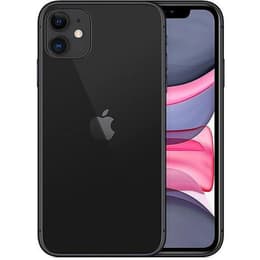
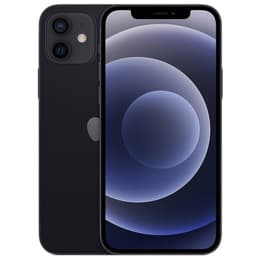
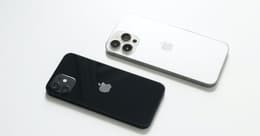
The iPhone 11, released in September 2019, and the iPhone 12, launched in October 2020, represent two consecutive generations of Apple's smartphone lineup. While both devices operate on the iOS platform and offer a familiar user experience, the iPhone 12 introduced several notable advancements, including a shift in display technology, enhanced durability features, and next-generation cellular connectivity. These differences cater to varying user priorities and usage patterns.
Colour
Storage
When considering the practical lifespan of these devices, several factors come into play, including software support and physical resilience.
Release year
Compatible with latest Update
Operating system
Foldable
The performance of a smartphone is largely determined by its internal processing capabilities and how efficiently it manages power and data.
The visual experience is a significant differentiator between these two iPhone models, primarily due to their display technologies.
Resolution
Screen type
Both iPhones offer capable camera systems, but the newer model brings refinements and additional features.
Main camera
Front camera
Beyond core features, several practical elements contribute to the overall user experience and device utility.
Weight
Screen size (in)
SIM card
Carrier compatibility
Connector
User feedback for the iPhone 11 often praises its robust performance, reliable camera system, and solid battery life, particularly for its generation. Common criticisms sometimes point to its LCD display technology compared to newer OLED screens and the absence of 5G connectivity.
The iPhone 12 generally receives acclaim for its vibrant OLED display, the addition of 5G, and its improved camera capabilities, especially in low light. Some users have noted the challenges with independent repairs due to Apple's software authentication for certain components.
Users prioritizing an extended software support timeline, a more vibrant and higher-resolution display, faster cellular speeds, and enhanced drop protection may find the iPhone 12 better suited to their needs. Its newer processor also offers a performance edge for demanding applications. Conversely, users who primarily need a reliable smartphone for everyday tasks, value a slightly lower initial investment, and do not require 5G or an OLED screen may find the iPhone 11 to be a practical choice. Both devices remain capable smartphones, and opting for a quality-assured refurbished option for either model presents an eco-friendly alternative for consumers.