
iPhone 12 vs iPhone 12 mini

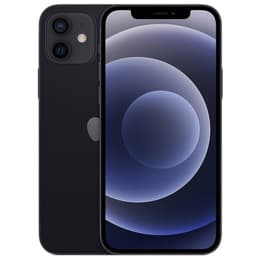
iPhone 12
iPhone 12
Starting at

Refurbished price:A$318.00

Versus A$1,049.00 new

See options
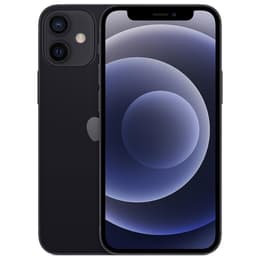
iPhone 12 mini
iPhone 12 mini
Starting at

Refurbished price:A$236.00

Versus A$929.00 new

See options

Ratings

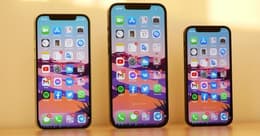
The iPhone 12 and iPhone 12 Mini, both released in late 2020, represent Apple's fourteenth generation of smartphones. While sharing a common design language and core internal components, their primary distinction lies in their physical size and display dimensions. Both devices operate on the same iOS platform, offering a consistent software experience, but cater to different preferences regarding device footprint and portability.

Scores

Durability

Both the iPhone 12 and iPhone 12 Mini were launched in 2020, meaning they share a similar timeline for software support and expected practical lifespan.

  • Software Longevity: Both models shipped with iOS 14 and are compatible with iOS 26, indicating a long period of software updates and security patches. This suggests users can expect continued functionality and access to new features for several years.
  • Physical Durability: Both devices feature a Ceramic Shield front cover, which Apple described as offering improved drop performance compared to previous models. They also share an IP68 rating for water and dust resistance, allowing submersion up to 6 meters for 30 minutes.
  • Repairability: Both the iPhone 12 and iPhone 12 Mini received a repairability score of 6 out of 10 from iFixit. This score indicates that while some components are modular and accessible, specialized tools and waterproofing measures can complicate certain repairs.

Release year

2020

2020

Compatible with latest Update

Yes

Yes

Operating system

iOS

iOS

Foldable

No

No

Performance

The iPhone 12 and iPhone 12 Mini are equipped with the same internal processing capabilities, leading to comparable performance across various tasks, though battery behavior differs due to their size.

  • Processing Power: Both phones utilize the same advanced processor, enabling smooth operation for demanding applications, multitasking, and graphics-intensive games. Users can expect responsive interactions and efficient handling of daily smartphone activities.
  • Storage Options: Both models are available with 64GB, 128GB, or 256GB of internal storage, providing flexibility for users based on their content and application needs.
  • Battery Performance: The iPhone 12 features a 2,815 mAh battery, while the iPhone 12 Mini has a smaller 2,227 mAh battery. In practical use, the iPhone 12 generally offers longer battery life, with the Mini often requiring more frequent charging for heavy users.

Memory (GB)

4 GB

4 GB

Screen quality

Both the iPhone 12 and iPhone 12 Mini feature high-quality displays, with the primary difference being their physical dimensions.

  • Display Technology and Clarity: Both devices incorporate Super Retina XDR OLED displays, delivering deep blacks, vibrant colors, and excellent contrast. The iPhone 12 has a 6.1-inch display with a resolution of 2532 x 1170 pixels (460 ppi), while the iPhone 12 Mini has a 5.4-inch display with a resolution of 2340 x 1080 pixels (476 ppi).
  • Brightness and Color Accuracy: Both screens offer a typical maximum brightness of 625 nits and can reach up to 1200 nits for HDR content, ensuring good visibility in various lighting conditions. They also support wide color (P3) for accurate color reproduction.
  • Viewing Experience: The larger screen of the iPhone 12 provides a more expansive viewing area for media consumption and productivity. The iPhone 12 Mini's smaller screen, while still sharp, offers a more compact and easily manageable experience for one-handed use.

Resolution

1170 x 2532

1080 x 2340

Screen type

Super Retina XDR OLED

Super Retina XDR OLED

Audiovisual

The camera systems on the iPhone 12 and iPhone 12 Mini are identical, providing a consistent photography and videography experience across both models.

  • Dual Camera System: Both phones feature a dual 12-megapixel rear camera setup, including a wide-angle lens with an f/1.6 aperture and an ultra-wide-angle lens with an f/2.4 aperture. This configuration allows for versatile shooting, from expansive landscapes to detailed everyday photos.
  • Low-Light and Video Capabilities: Both models support Night mode on all cameras (wide, ultra-wide, and front-facing), significantly improving performance in dim lighting conditions. They can record 4K video at up to 60 frames per second and support Dolby Vision HDR video recording at up to 30 frames per second, offering enhanced dynamic range in videos.
  • Front Camera and Audio: A 12-megapixel front-facing camera is present on both devices, also supporting Night mode for selfies. Both phones offer stereo sound recording for videos and a good speaker output for media consumption.

Main camera

12 megapixels

12 megapixels

Front camera

12 megapixels

12 megapixels

Miscellaneous

Beyond their core features, both the iPhone 12 and iPhone 12 Mini share several practical elements that contribute to their overall user experience.

  • Connectivity and Charging: Both devices support 5G cellular communication, offering faster download and upload speeds where available. They also feature MagSafe technology for high-powered wireless charging and magnetic accessory attachment.
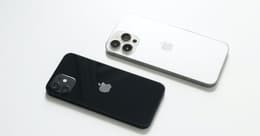
  • Physical Design and Handling: The iPhone 12 measures 146.7 x 71.5 x 7.4 mm and weighs 164g, while the iPhone 12 Mini is more compact at 131.5 x 64.2 x 7.4 mm and weighs 135g. Both feature a flat-edged aluminum frame and a glass back. The Mini's smaller size makes it easier for one-handed use and pocketability.
  • Security and Ports: Both phones rely on Face ID for secure authentication. They both utilize a Lightning port for charging and data transfer.

Weight

164 oz

135 oz

Screen size (in)

6.1

5.4

Network

5G

5G

SIM card

Physical SIM + eSIM

Physical SIM + eSIM

Carrier compatibility

Unlocked

Unlocked

Connector

Lightning

Lightning

User sentiment for both the iPhone 12 and iPhone 12 Mini generally highlights their strong performance and camera capabilities. Many users praise the iPhone 12 for its balanced size, vibrant display, and reliable overall experience. The iPhone 12 Mini is frequently lauded by those who prefer a compact device, appreciating its powerful features packed into a smaller form factor.

However, the iPhone 12 Mini often receives criticism for its battery life, with many users reporting that it struggles to last a full day with moderate to heavy use. Some users also find the smaller screen of the Mini less ideal for extensive media consumption or web browsing. The standard iPhone 12, while offering better battery endurance, is still not considered a multi-day device by most users. Both models, being from 2020, are now available as quality-assured refurbished options, providing an eco-friendly alternative for those seeking these features.

Users prioritizing a larger screen for media, gaming, or productivity, along with better battery life, may prefer the iPhone 12. Conversely, individuals who value extreme portability, one-handed usability, and a device that fits easily into smaller pockets will find the iPhone 12 Mini well-suited to their needs, provided they are mindful of its battery limitations. Both devices offer a robust iOS experience and capable cameras, making the choice largely dependent on personal preference for size and battery endurance.