iPhone 12 vs iPhone 14

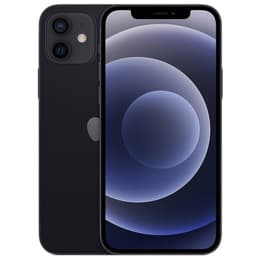
iPhone 12
iPhone 12
Starting at

Refurbished price:A$303.00

Versus A$1,129.00 new

See options
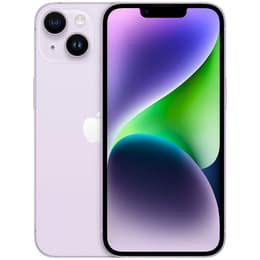
iPhone 14
iPhone 14
Starting at

Refurbished price:A$467.00

Versus A$1,049.00 new

See options

Ratings

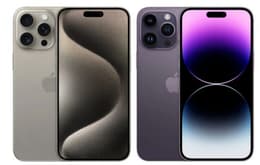
The iPhone 12, released in October 2020, and the iPhone 14, launched in September 2022, represent two generations of Apple's standard smartphone line. While they share a similar design aesthetic and operate within the same iOS ecosystem, the iPhone 14 introduces updated internal components, enhanced camera capabilities, and new safety features that differentiate it from its predecessor. Both devices offer a familiar user experience, running on Apple's intuitive operating system, but cater to slightly different user priorities through their respective advancements. [13]

Scores

Durability

When considering the practical lifespan of these devices, several factors come into play, including their release timelines, software support, and repairability.

  • Release Timeline: The iPhone 12 was introduced in October 2020, making it two years older than the iPhone 14, which arrived in September 2022. This age difference directly impacts their remaining support window. [6, 8, 13, 16, 17]
  • Software Longevity: Both models currently support the latest iOS versions. The iPhone 12 is anticipated to receive major iOS updates for approximately 5-6 years from its release, while the iPhone 14, being newer, is expected to receive software support for an additional year or two beyond that timeframe, offering a longer period of access to new features and security updates. [2, 10]
  • Repairability Considerations: Both the iPhone 12 and iPhone 14 feature Ceramic Shield front covers for enhanced durability. [1, 13, 24] The iPhone 14 initially showed some improvements in internal design for certain repairs, but software-based part-pairing procedures can complicate independent repairs for full functionality. [13]

Release year

2020

2022

Compatible with latest Update

Yes

Yes

Operating system

iOS

iOS

Foldable

No

No

Performance

Both the iPhone 12 and iPhone 14 deliver capable performance for everyday tasks, but the newer model offers a noticeable step up in processing power and efficiency.

  • Processing Power: The iPhone 12 is equipped with a capable processor that handles everyday applications and multitasking smoothly. The iPhone 14 features a newer generation processor, which provides a slight improvement in CPU and graphics performance, leading to smoother operation for more demanding apps and games. [1, 2, 10, 13, 24]
  • Multitasking and Responsiveness: The iPhone 14 includes more internal memory compared to the iPhone 12, which can contribute to improved multitasking capabilities and overall system responsiveness, especially when switching between numerous applications. [2, 13, 24]
  • Storage Options: The iPhone 12 was available with storage capacities starting from 64GB, 128GB, and 256GB. The iPhone 14 offers a higher baseline storage option, starting at 128GB, and also includes 256GB and 512GB configurations. [2, 13, 24, 28]

Memory (GB)

4 GB

6 GB

Screen quality

The display experience on both the iPhone 12 and iPhone 14 is generally similar, with some key differences in brightness and protection.

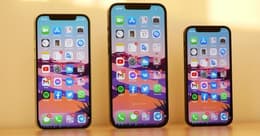
  • Display Technology and Resolution: Both devices feature a 6.1-inch Super Retina XDR OLED display with a resolution of 2532 x 1170 pixels, resulting in sharp and clear visuals with deep blacks and vibrant colors. [1, 11, 12, 13, 20, 21, 22, 23, 24]
  • Brightness Levels: While both screens can reach a peak brightness of 1200 nits for HDR content, the iPhone 14 offers a higher typical maximum brightness of 800 nits, compared to the iPhone 12's 625 nits. This difference makes the iPhone 14's display more visible in bright outdoor conditions. [1, 2, 12, 13, 20, 21, 22, 24, 25]
  • Screen Protection: Both models incorporate Ceramic Shield protection on their front cover, designed to offer enhanced durability against drops. [1, 2, 13, 24]

Resolution

1170 x 2532

1170 x 2532

Screen type

Super Retina XDR OLED

Super Retina XDR OLED

Audiovisual

The camera systems on both iPhones are capable, but the iPhone 14 brings notable enhancements, particularly in low-light performance and video features.

  • Main Camera Improvements: Both phones feature a dual 12MP rear camera system with wide and ultra-wide lenses. The iPhone 14's main camera has a larger sensor and a wider aperture, allowing it to capture more light, which significantly improves low-light photography. [2, 13, 20, 22, 24, 25]
  • Computational Photography: The iPhone 14 introduces the Photonic Engine, an enhanced image processing pipeline that improves mid-to-low light performance across all cameras, resulting in brighter images with less noise and more detail. [2, 5, 13, 18, 24, 25]
  • Front Camera and Video: The iPhone 14 upgrades the 12MP front-facing camera with a faster aperture and autofocus capabilities, leading to better selfies, especially in challenging lighting conditions. For video, the iPhone 14 introduces features like Action Mode for smoother handheld video and improvements to Cinematic Mode. [1, 2, 10, 13, 18, 20, 22, 23, 24]

Main camera

12 megapixels

12 megapixels

Front camera

12 megapixels

12 megapixels

Miscellaneous

Beyond core performance and display, several other features contribute to the overall user experience and practical utility of these smartphones.

  • Connectivity Options: Both devices support 5G cellular connectivity and Wi-Fi 6 for fast wireless internet. The iPhone 14 features Bluetooth 5.3, a slight upgrade from the iPhone 12's Bluetooth 5.0, potentially offering more stable connections and improved efficiency with compatible accessories. The iPhone 14 also introduces Emergency SOS via Satellite and Crash Detection. [2, 5, 7, 10, 13, 14, 18, 20, 22, 23, 31]
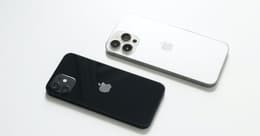
  • Physical Design and Handling: The iPhone 12 measures 146.7 x 71.5 x 7.4mm and weighs 164g. The iPhone 14 is marginally thicker at 146.7 x 71.5 x 7.8mm and slightly heavier at 172g. Both share a similar flat-edged design. [1, 2, 12, 13, 14, 16, 20, 22, 23, 24, 25]
  • Charging and Ports: Both models utilize the Lightning port for charging and data transfer and support MagSafe wireless charging. [2, 11, 13, 14, 15, 21, 27, 28]

Weight

164 oz

172 oz

Screen size (in)

6.1

6,1

Network

5G

5G

SIM card

Physical SIM + eSIM

Physical SIM + eSIM

Carrier compatibility

Unlocked

Unlocked

Connector

Lightning

Lightning

User feedback often highlights the iPhone 14's improved battery life and enhanced camera performance, particularly in low-light conditions, as significant advantages over its predecessor. Many users coming from older models or the iPhone 12 appreciate the noticeable gains in overall speed and responsiveness. Criticisms for the iPhone 14 sometimes revolve around its visual similarity to previous models, though the internal upgrades are generally well-received. [14, 24, 25]

For the iPhone 12, common praise points include its continued solid performance for everyday tasks and its enduring design. Some users might note that its battery life, while still adequate for many, requires more frequent charging for heavy use compared to newer models. [24, 26, 27]

Users prioritizing enhanced camera capabilities, longer battery life, and advanced safety features like Crash Detection and Emergency SOS via Satellite will find the iPhone 14 well-suited to their needs. Those who primarily use their phone for everyday tasks, general photography, and who do not require the absolute latest features may find the iPhone 12 still offers a reliable experience. Choosing a quality-assured refurbished option for either model can be an eco-friendly alternative to extend the life cycle of these devices.

See all articles

Our recent comparisons