iPhone
Compare models
Differences at a glance
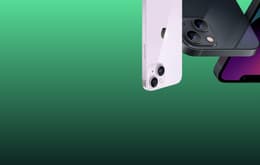
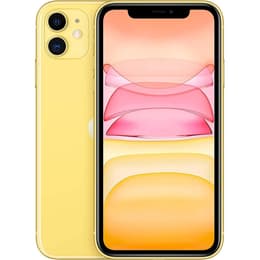
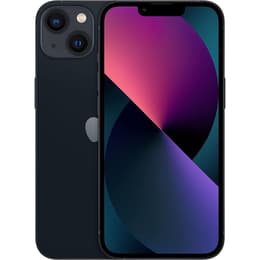
The iPhone 11, released in September 2019, and the iPhone 13, launched in September 2021, represent two distinct generations within Apple's smartphone lineup. While both devices operate on the iOS platform, the iPhone 13 introduces notable advancements in display technology, processing power, and camera capabilities. This comparison will explore the practical differences between these models to help users determine which device best suits their needs.
Colour
Storage (GB)
When considering the long-term usability of a smartphone, factors like software support and physical durability are key. The iPhone 11 and iPhone 13 offer different timelines for expected software longevity and have varying degrees of repairability.
Release year
Compatible with latest Update
Operating system
Foldable
The performance of a smartphone impacts everything from app responsiveness to multitasking efficiency and gaming experiences. The iPhone 11 and iPhone 13, being different generations, offer distinct levels of processing power and battery endurance.
The visual experience on a smartphone is largely defined by its display. The iPhone 11 and iPhone 13 feature different display technologies and specifications that impact clarity, color, and brightness.
Resolution
Screen type
Camera capabilities are a significant consideration for many smartphone users. Both the iPhone 11 and iPhone 13 offer dual-camera systems, but the newer model brings several enhancements for photography and videography.
Main camera
Front camera
Beyond core specifications, several practical elements contribute to the overall user experience. The iPhone 11 and iPhone 13 differ in connectivity, physical design, and other features.
Weight
Screen size (in)
SIM card
Carrier compatibility
Connector
The iPhone 11 and iPhone 13 cater to different user priorities, reflecting the advancements made in smartphone technology over two years. Users often praise the iPhone 11 for its robust camera system, particularly its introduction of Night mode, and its overall reliable performance for everyday tasks. [1, 11, 34] Some common criticisms of the iPhone 11 often point to its LCD display, which, while good, doesn't offer the same visual depth as OLED panels. [1]
The iPhone 13, on the other hand, frequently receives acclaim for its significantly improved OLED display, enhanced battery life, and more capable camera system, especially with features like Cinematic mode and better low-light performance. [2, 23, 35] Users also appreciate the faster performance provided by its newer processor and the inclusion of 5G connectivity. Criticisms sometimes include the lack of a telephoto lens on the base model and the 60Hz refresh rate, which some users might find less fluid compared to higher refresh rate displays on other devices. [35]
Users prioritizing a vibrant, high-contrast display, longer battery life, and advanced camera features like Cinematic mode, along with future-proofing through 5G connectivity, may find the iPhone 13 better suited to their needs. Conversely, individuals seeking a dependable smartphone for general use, with a capable camera and solid performance for most applications, may find the iPhone 11 to be a practical choice. Both models offer a quality-assured refurbished option, providing an eco-friendly alternative for consumers.