

Compare models
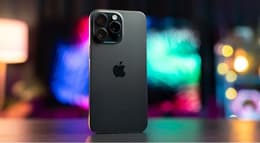
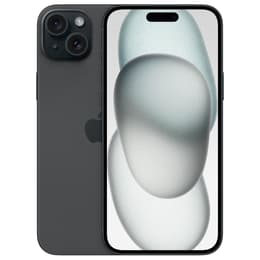
iPhone 15 Plus vs iPhone 17 Pro
- 1-year warranty
- Free standard shipping
- Free 30-day returns
Differences at a glance
The iPhone 15 Plus (2023) and the iPhone 17 Pro (2025) represent two different tiers and release generations within Apple's smartphone lineup. While the iPhone 15 Plus prioritizes a larger viewing area and standard everyday features, the iPhone 17 Pro focuses on advanced materials, powerful internal processing, and specialized camera capabilities. Both devices operate on Apple's iOS platform, though their hardware configurations target distinct user requirements and handling preferences.
Available Models
Colour
Storage (GB)
Scores
Durability
When examining hardware longevity and ongoing software support, both models benefit from Apple's long-term update framework, though their launch timelines create a distinct timeline gap.
- Software support timeline: The iPhone 17 Pro benefits from a later release date, offering an extended window of official operating system updates compared to its predecessor.
- Repairability and durability: Both models utilize robust outer materials, though the iPhone 17 Pro incorporates advanced aerospace-grade structure and ceramic protection designed to handle daily wear.
- Expected practical lifespan: Users choosing either model can expect reliable multi-year operation, with the newer internal architecture providing additional headroom for future software demands.
Release year
2023
2025
Compatible with latest Update
Yes
Yes
Operating system
iOS
iOS
Foldable
No
No
Performance
System responsiveness and everyday multitasking capabilities differ noticeably based on the internal hardware iterations packed into each device.
- Multitasking and memory handling: The iPhone 17 Pro features a higher RAM allocation, enabling smoother switching between demanding background applications and intensive software.
- Everyday task execution: Both devices load standard apps, browse the web, and stream media smoothly, but the iPhone 17 Pro handles resource-heavy gaming and professional applications with greater thermal efficiency.
- Storage configurations: Both models offer scalable storage tiers to accommodate large photo libraries, offline media, and document collections.
Screen quality
Display technology differs across these models primarily in physical dimensions, refresh capabilities, and peak illumination performance.
- Viewing area and dimensions: The iPhone 15 Plus provides a larger physical screen surface well-suited for reading and watching media, while the iPhone 17 Pro offers a more compact footprint.
- Motion smoothness: The iPhone 17 Pro incorporates a high refresh rate technology for smoother scrolling and fluid animation transitions throughout the interface.
- Outdoor visibility: Both displays utilize advanced OLED panels with deep contrast levels, though the iPhone 17 Pro reaches higher peak brightness thresholds for comfortable viewing in direct sunlight.
Resolution
1290 x 2796
2622x1206
Screen type
Super Retina XDR OLED
Super Retina XDR
Audiovisual
Photography and video recording suites vary significantly, catering to casual snapshot capture versus versatile multi-lens production.
- Lens configurations: The iPhone 15 Plus features a dual-camera system with reliable main and ultra-wide lenses, whereas the iPhone 17 Pro adds a dedicated high-resolution telephoto lens for distant framing.
- Low-light capture: Both devices manage shadow details effectively in dim environments, though advanced sensor processing on the iPhone 17 Pro yields sharper clarity in challenging lighting.
- Audio and video output: Integrated microphone arrays capture clear sound for calls and video notes, while stereo speakers deliver balanced media playback across both options. Choosing a quality-assured refurbished option through platforms like Back Market offers a sustainable choice for acquiring these devices without buying brand new.
Main camera
48 megapixels
48 megapixels
Front camera
12 megapixels
18 megapixels
Miscellaneous
Physical handling, connectivity standards, and daily utility features shape the practical experience of carrying and using each smartphone.
- Physical dimensions and weight: The iPhone 15 Plus offers a lighter, expansive frame, whereas the iPhone 17 Pro feels denser and more compact due to its heavy-duty metal build.
- Connector types: Both models utilize the universal USB-C standard for wired charging and data transfer, replacing older proprietary connection formats.
- Biometric security: Both devices rely on facial recognition technology for secure device unlocking and authorization tasks.
Weight
201 oz
206 oz
Screen size (in)
6.7
6.3
Network
5G
5G
SIM card
Physical SIM + eSIM
eSIM
Carrier compatibility
Unlocked
Unlocked
Connector
USB-C (USB 2)
USB-C
What the community thinks
User feedback from online communities highlights distinct preferences for each device based on everyday use cases. Owners of the iPhone 15 Plus frequently praise its expansive viewing area and comfortable weight relative to its size, making it a favorite for media consumption and reading. Common discussions note that its battery performance comfortably handles standard daily routines without requiring midday recharges. Conversely, owners of the iPhone 17 Pro emphasize the benefits of its smooth display refresh rates, versatile telephoto framing, and responsive processing headroom for intensive tasks. Frequent feedback on the Pro model centers on its compact handling, though some users note the heavier physical weight resulting from its rugged build materials.
Users prioritizing a larger screen and a lighter everyday carry will find the iPhone 15 Plus well-suited to their daily routines. Meanwhile, users prioritizing advanced photographic versatility, smooth display motion, and demanding application performance may lean toward the iPhone 17 Pro. Exploring a quality-assured refurbished option provides a sustainable choice for consumers aiming to make eco-friendly purchasing decisions while obtaining either of these capable smartphones.