
Compare models

Google Pixel 7 Pro vs iPhone Air

  • 1-year warranty
  • Free standard shipping
  • Free 30-day returns
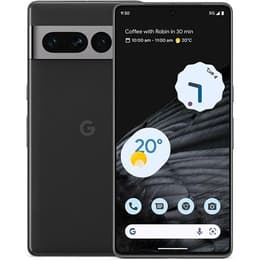
Google Pixel 7 Pro
Starting at

Refurbished price:A$329.00

Versus A$1,219.00 new

See options
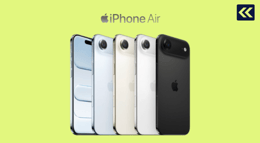
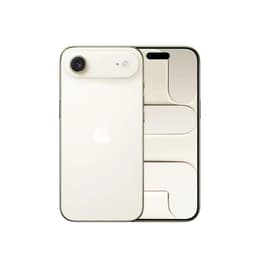
iPhone Air
Starting at

Refurbished price:A$1,099.00

Versus A$1,899.00 new

See options

Differences at a glance

The Google Pixel 7 Pro (2022) and the iPhone Air (2025) represent two distinct approaches to smartphone design, utility, and mobile engineering. While the Pixel 7 Pro focuses on an expansive screen and versatile camera layout, the iPhone Air prioritizes an ultra-thin profile and lightweight handling. Operating on Android and iOS respectively, these devices cater to users seeking different balances of software ecosystems and physical form factors.

Available Models

Colour

Storage

Scores

Durability

When examining hardware longevity and software support, both devices offer robust lifespans within their respective ecosystems, though they occupy different points on the release timeline.

  • Software Support Window: The Google Pixel 7 Pro receives multi-year system updates extending well into its lifecycle, while the iPhone Air benefits from Apple's extended update schedule backed by a recent launch year.
  • Repairability and Build: Both smartphones utilize durable glass and metal configurations paired with dust and water resistance ratings, though repairing slim chassis designs like the iPhone Air involves specialized components.
  • Expected Practical Lifespan: Both models maintain sufficient processing capability and memory capacity to function smoothly for daily tasks over several years of regular ownership.

Release year

2022

2025

Compatible with latest Update

Yes

Yes

Foldable

No

No

Performance

Daily operation and hardware performance vary based on internal architecture and software optimization between the two devices.

  • Multitasking and App Handling: Both models manage routine applications, web browsing, and switching between active tasks smoothly without noticeable stutter.
  • Storage and Battery Behavior: The Pixel 7 Pro offers a large physical battery capacity paired with high-capacity storage tiers, whereas the iPhone Air balances a slim battery footprint with efficiency optimizations that manage typical daily use.
  • System Responsiveness: Each device maintains fluid system navigation, though heavy gaming or prolonged demanding tasks handle thermal loads differently due to their contrasting physical dimensions.

Screen quality

Display configurations on both smartphones deliver sharp visuals, high peak brightness levels, and fluid motion handling.

  • Display Technology: Both devices employ advanced OLED panels that produce deep blacks, vibrant colors, and sharp text rendering for reading and media consumption.
  • Refresh Rate and Smoothness: Each model supports high refresh rate technology up to 120Hz, ensuring smooth scrolling through feeds and responsive touch feedback.
  • Outdoor Visibility: High maximum brightness outputs allow content to remain legible even under direct sunlight, though screen sizes differ slightly between the larger Pixel and the mid-sized iPhone.

Resolution

1440 x 3120

2736x1260

Screen type

LTPO AMOLED

Super Retina XDR

Audiovisual

Imaging capabilities reflect different hardware philosophies, with one focusing on multi-lens versatility and the other emphasizing a streamlined single-lens approach.

  • Camera System Setup: The Pixel 7 Pro features a triple-lens array including a dedicated telephoto zoom, while the iPhone Air utilizes a streamlined single high-resolution main camera.
  • Everyday and Low-Light Shots: Both phones capture detailed photographs with balanced dynamic range in daylight and reliable processing in low-light environments.
  • Video and Audio Output: Video recording remains stable and sharp on both devices, while media playback utilizes built-in speaker configurations suited for casual listening and calls.

Main camera

50 megapixels

48 megapixels

Front camera

10.8 megapixels

18 megapixels

Miscellaneous

Practical daily utility is shaped by connectivity standards, physical dimensions, and hardware ports.

  • Connectivity and Ports: Both models support modern 5G networks and fast wireless standards, utilizing standard USB-C connection ports for charging and data transfer.
  • Security Sensors: Biometric authentication is handled via secure facial recognition or under-display fingerprint sensors depending on the ecosystem.
  • Physical Dimensions: The Pixel 7 Pro offers a heavier, larger footprint, whereas the iPhone Air emphasizes a remarkably thin and lightweight construction that reduces pocket bulk.

Weight

212 oz

165 oz

Screen size (in)

67

6.5

SIM card

Physical SIM + eSIM

eSIM

Carrier compatibility

Unlocked

Unlocked

Connector

USB-C

USB-C

What the community thinks

User discussions and community feedback highlight distinct preferences for each device based on everyday habits. Owners of the Google Pixel 7 Pro frequently praise its versatile multi-lens camera system and expansive screen estate, while noting that its heavier weight is a trade-off for the large battery. Conversely, users of the iPhone Air highlight its exceptionally thin profile and light build as standout qualities, though some point out that the single-lens camera and slim battery design require different compromises compared to bulkier flagships.

Users prioritizing long-range zoom photography and a larger viewing area may prefer the Google Pixel 7 Pro, while users prioritizing an ultra-lightweight build and the iOS ecosystem may lean toward the iPhone Air. For those exploring sustainable purchasing routes, choosing a quality-assured refurbished option provides an eco-friendly alternative to buying brand new. Ultimately, the choice depends on whether physical minimalism or multi-lens hardware versatility aligns better with personal daily routines.