
Compare models

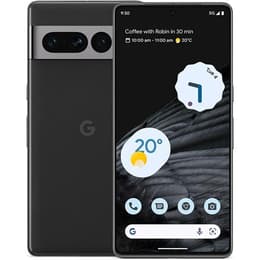
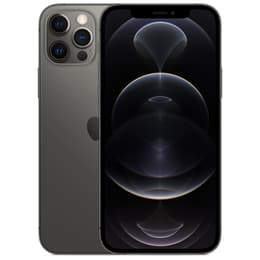
Google Pixel 7 Pro vs iPhone 12 Pro

  • 1-year warranty
  • Free standard shipping
  • Free 30-day returns
Google Pixel 7 Pro
Starting at

Refurbished price:A$499.00

Versus A$1,661.00 new

See options
iPhone 12 Pro
Starting at

Refurbished price:A$411.00

Versus A$1,249.00 new

See options

Differences at a glance

The Google Pixel 7 Pro, released in October 2022, and the iPhone 12 Pro, launched in October 2020, represent different approaches to high-end smartphone design and functionality. While both devices offer premium experiences, they cater to distinct user preferences through their respective operating systems and hardware philosophies. The Pixel 7 Pro operates on Android, emphasizing advanced computational photography and a customizable user interface, whereas the iPhone 12 Pro runs on iOS, known for its integrated ecosystem and consistent performance. Key differentiators include their camera systems, display technologies, and overall software experiences.

Available Models

Colour

Storage (GB)

Scores

Durability

The practical lifespan of a smartphone is significantly influenced by its release timeline, software support, and physical durability.

  • Release Timeline: The iPhone 12 Pro was released in October 2020, making it two years older than the Google Pixel 7 Pro, which launched in October 2022. This age difference directly impacts their remaining software support windows.
  • Software Longevity: The Google Pixel 7 Pro is guaranteed to receive OS and security updates until at least October 2027, providing five years of support from its release. The iPhone 12 Pro, typically receives major iOS updates for approximately 5 to 6 years from its release, with security patches often extending beyond that period. Users can generally expect major iOS updates for the iPhone 12 Pro until around 2027-2030, with security updates potentially continuing for a longer duration.
  • Repairability: The iPhone 12 Pro received a repairability score of 6 out of 10, indicating that many components are modular and relatively accessible, though proprietary screws and increased waterproofing can complicate repairs. The Google Pixel 7 Pro has a repairability score of 5.5 out of 10, with some teardowns noting challenges in battery removal due to strong adhesive and the charging port being soldered to the motherboard.

Release year

2022

2020

Compatible with latest Update

Yes

Yes

Operating system

Android

iOS

Foldable

No

No

Performance

Performance in daily use is a critical aspect for any smartphone, encompassing everything from app responsiveness to battery endurance.

  • Processing Power: The Google Pixel 7 Pro features a current-generation Google-designed processor, which efficiently handles demanding applications, multitasking, and advanced computational tasks, including its sophisticated camera features. The iPhone 12 Pro is powered by a powerful Apple-designed processor from a few generations ago, which still delivers smooth performance for most everyday applications and gaming, benefiting from tight software-hardware integration.
  • Multitasking and Storage: The Pixel 7 Pro typically comes with 12GB of RAM, allowing for robust multitasking and keeping many applications open in the background without slowdowns. The iPhone 12 Pro includes 6GB of RAM, which, combined with iOS's memory management, provides a fluid experience for most users. Both devices offer various internal storage options, ranging from 128GB to 512GB, catering to different user needs for apps, photos, and videos.
  • Battery Behavior: The Google Pixel 7 Pro is equipped with a larger 5000 mAh battery, generally providing extended usage times that can last through a full day for many users. The iPhone 12 Pro has a 2815 mAh battery, which offered decent battery life at its release, but for heavy users, it may require more frequent charging compared to newer devices.

Screen quality

The display is the primary interface for smartphone interaction, and both devices offer high-quality viewing experiences with distinct characteristics.

  • Display Technology and Resolution: The Google Pixel 7 Pro features a 6.7-inch LTPO AMOLED display with a high resolution of 3120x1440 pixels, resulting in sharp and detailed visuals. The iPhone 12 Pro has a 6.1-inch Super Retina XDR OLED display with a resolution of 2532x1170 pixels, offering excellent clarity and color accuracy.
  • Refresh Rate and Brightness: The Pixel 7 Pro's display boasts a 120Hz refresh rate, providing smoother scrolling and more fluid animations, enhancing the overall visual experience. It also offers high brightness levels, with a peak of up to 1500 nits for HDR content, making it suitable for outdoor visibility. The iPhone 12 Pro features a 60Hz refresh rate, which is standard but less fluid than higher refresh rate displays. Its display reaches 800 nits typical brightness and up to 1200 nits for HDR content, ensuring good visibility in various lighting conditions.
  • Viewing Experience: The larger screen size of the Pixel 7 Pro provides an expansive canvas for media consumption and productivity. The iPhone 12 Pro's slightly smaller display offers a more compact form factor, which some users may find easier for one-handed use, while still delivering a vibrant and immersive viewing experience.

Resolution

1440 x 3120

1170 x 2532

Screen type

LTPO AMOLED

Super Retina XDR OLED

Audiovisual

Both smartphones offer advanced camera systems designed to capture high-quality photos and videos, though they excel in different areas.

  • Rear Camera Systems: The Google Pixel 7 Pro is equipped with a versatile triple-camera setup, including a 50MP main sensor, a 12MP ultrawide lens, and a 48MP telephoto lens capable of 5x optical zoom. Its strength lies in computational photography, producing detailed images with accurate colors and impressive low-light performance. The iPhone 12 Pro also features a triple-camera system, with three 12MP lenses for wide, ultrawide, and telephoto (2x optical zoom) shots, complemented by a LiDAR scanner for improved autofocus in low light and enhanced augmented reality experiences.
  • Photography and Video Quality: The Pixel 7 Pro is often praised for its consistent image processing and ability to capture natural-looking photos, even in challenging conditions. Its video recording capabilities are strong, though some users have noted that post-processing can sometimes be harsh. The iPhone 12 Pro delivers excellent video quality, known for its stability and color accuracy, making it a strong choice for videography. Its still photography is reliable, producing sharp and well-exposed images.
  • Front Camera and Audio: The Pixel 7 Pro includes a 10.8MP front camera, suitable for selfies and video calls. The iPhone 12 Pro features a 12MP front camera, offering clear self-portraits and supporting advanced features like Face ID. Both devices provide good microphone quality for calls and recordings, and their stereo speakers offer a decent audio experience for media consumption.

Main camera

50 megapixels

12 megapixels

Front camera

10.8 megapixels

12 megapixels

Miscellaneous

Beyond core performance, several practical features and design elements contribute to the overall user experience of these devices.

  • Connectivity and Ports: The Google Pixel 7 Pro supports 5G connectivity, Wi-Fi 6E, and Bluetooth 5.2, offering fast and reliable wireless connections. It uses a USB-C port for charging and data transfer. The iPhone 12 Pro also supports 5G, Wi-Fi 6, and Bluetooth 5.0. It utilizes Apple's proprietary Lightning port.
  • Biometric Security and Sensors: The Pixel 7 Pro incorporates an under-display fingerprint sensor and Face Unlock for secure access. The iPhone 12 Pro relies on its advanced Face ID system for biometric authentication. Both devices include a range of sensors that enable features like augmented reality and precise location tracking.
  • Build Materials and Handling: The Pixel 7 Pro features a glass back and a polished aluminum frame, offering a premium feel, though some users have noted it can be slippery without a case. It measures 162.9 x 76.6 x 8.9mm and weighs 212g. The iPhone 12 Pro is constructed with a Ceramic Shield front cover and a stainless steel frame, providing enhanced durability and a distinct tactile experience. It measures 146.7 x 71.5 x 7.4 mm and weighs 189g, making it a more compact and slightly lighter device.

Weight

212 oz

187 oz

Screen size (in)

6.7

6.1

Network

5G

5G

SIM card

Physical SIM + eSIM

Physical SIM + eSIM

Carrier compatibility

Unlocked

Unlocked

Connector

USB-C

Lightning

What the community thinks

The Google Pixel 7 Pro and iPhone 12 Pro offer distinct strengths, making them suitable for different user priorities. Users often praise the Pixel 7 Pro for its exceptional camera capabilities, particularly its computational photography, and its clean Android experience with timely updates. Common criticisms sometimes include reports of the device getting warm during intensive use, and some users have noted issues with the fingerprint sensor or network connectivity.

The iPhone 12 Pro is frequently lauded for its robust performance, consistent software experience, and strong video recording capabilities. User feedback sometimes points to concerns about battery degradation over time and occasional connectivity drops.

Users prioritizing a cutting-edge camera system with advanced AI features, a larger, high-refresh-rate display, and the flexibility of the Android ecosystem may find the Google Pixel 7 Pro well-suited to their needs. Conversely, users who value a highly integrated ecosystem, strong long-term software support, and a compact, durable design with reliable performance may lean toward the iPhone 12 Pro.

For those considering either device, exploring quality-assured refurbished options can be an eco-friendly alternative to extend the life cycle of these capable smartphones.