
Compare models
Galaxy Z Fold7 vs Oppo Find X5 Lite
- 1-year warranty
- Free standard shipping
- Free 30-day returns
Differences at a glance
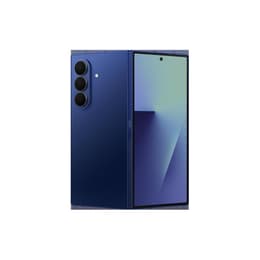
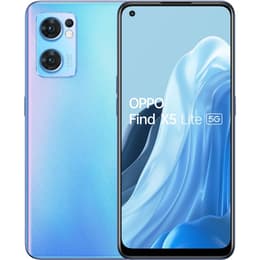
The Samsung Galaxy Z Fold7 (2025) and the Oppo Find X5 Lite (2022) represent two completely different approaches to modern smartphone design, contrasting a cutting-edge foldable flagship with a traditional, streamlined mid-range device. While the Galaxy Z Fold7 features an innovative dual-screen book-style folding form factor, the Oppo Find X5 Lite relies on a classic, lightweight candy-bar build. Both run on the Android operating system, though they are paired with different generations of manufacturer interfaces and software update timelines.
Available Models
Colour
Storage (GB)
Scores
Durability
When examining longevity, these two smartphones differ significantly in their release timelines, software support windows, and physical durability profiles.
- Release timeline and support: The Galaxy Z Fold7 launched more recently and benefits from an extended software support window spanning several years, whereas the Oppo Find X5 Lite entered the market earlier and is further along its software lifecycle.
- Physical durability: The Galaxy Z Fold7 incorporates advanced hinge engineering and flexible display protection suited for a foldable device, while the Oppo Find X5 Lite features a traditional glass-and-plastic slab construction with standard drop resistance.
- Expected lifespan: Users can expect modern multi-year software longevity from the newer Samsung model, whereas the Oppo model serves well for straightforward, everyday tasks over a shorter remaining window.
Release year
2025
2022
Operating system
Android
Android
Foldable
Yes
No
Performance
Performance capabilities diverge sharply due to the generational gap and hardware class differences between the two devices.
- Processing power: The Galaxy Z Fold7 handles demanding multitasking, heavy graphics applications, and intensive workflows smoothly, whereas the Oppo Find X5 Lite manages everyday tasks like messaging, web browsing, and casual media streaming reliably.
- Memory and storage: The Samsung device offers high-tier memory configurations alongside ample storage options, while the Oppo model provides a fixed, moderate capacity configuration suited for standard media libraries.
- Battery behavior: The Galaxy Z Fold7 powers two distinct displays requiring optimized energy management for heavy daily usage, while the Oppo Find X5 Lite balances its single screen consumption efficiently throughout a standard day.
Screen quality
The viewing experiences provided by each device differ fundamentally in physical scale, display technology, and interaction design.
- Display architecture: The Galaxy Z Fold7 utilizes a large foldable inner screen alongside a wide outer cover display, both employing vibrant organic light-emitting diode technology, whereas the Oppo Find X5 Lite features a single, traditional flat screen.
- Refresh rate and motion: Both models support smooth visual transitions, with the Samsung model offering advanced adaptive refresh capabilities and the Oppo model providing a fixed high refresh rate option for daily navigation.
- Brightness and clarity: Both devices deliver clear text and vivid image reproduction, though the newer flagship panel achieves higher peak outdoor brightness levels for visibility under direct sunlight.
Resolution
1968x2184
1080 x 2400
Audiovisual
Photography and media recording capabilities reflect the distinct product categories and hardware tiers of each smartphone.
- Camera systems: The Galaxy Z Fold7 equips a versatile triple-lens array featuring a very high-resolution main sensor, an ultra-wide option, and a dedicated telephoto lens, while the Oppo Find X5 Lite relies on a standard multi-sensor arrangement tailored for casual snapshots.
- Low-light and video: The Samsung flagship incorporates advanced image processing for challenging lighting conditions and high-resolution video recording, whereas the Oppo alternative captures balanced everyday photos and standard definition video.
- Audio and media output: Both devices provide integrated stereo speaker setups adequate for hands-free calls and casual video viewing, supplemented by distinct physical port configurations.
Miscellaneous
Practical everyday utilities, connectivity standards, and physical handling characteristics vary notably between the two form factors.
- Connectivity standards: Both smartphones support fifth-generation cellular networks and standard wireless protocols, ensuring reliable connectivity for daily data use.
- Physical handling: The Galaxy Z Fold7 offers a wider cover screen and a slim profile when folded, though it carries a heavier weight compared to the remarkably light and thin slab design of the Oppo Find X5 Lite.
- Biometrics and ports: The Samsung device utilizes side-mounted fingerprint recognition and facial scanning, while the Oppo model features an in-display fingerprint sensor and retains a traditional wired headphone jack.
Weight
215 oz
173 oz
Screen size (in)
8.0
6.43
Network
5G
5G
SIM card
Dual Physical SIM + eSIM
Dual Physical SIM
Carrier compatibility
Unlocked
Unlocked
What the community thinks
Choosing between the Samsung Galaxy Z Fold7 and the Oppo Find X5 Lite depends largely on individual device preferences and daily usage priorities. Users who prioritize expansive screen space for multitasking, advanced photographic versatility, and modern flagship hardware will find the Galaxy Z Fold7 well-suited to their workflow. Conversely, users who prefer a lightweight, traditional phone design for straightforward communication and media tasks may lean toward the Oppo Find X5 Lite. For those exploring sustainable purchasing decisions, choosing a quality-assured refurbished option through Back Market offers an eco-friendly alternative that extends device life cycles without compromising on performance reliability. Ultimately, evaluating how each form factor aligns with daily habits remains the most effective way to decide between these two distinct smartphones.