Compare models
Galaxy Z Fold6 vs iPhone Air
- 1-year warranty
- Free standard shipping
- Free 30-day returns
Differences at a glance
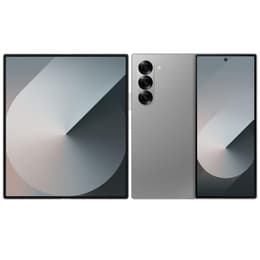
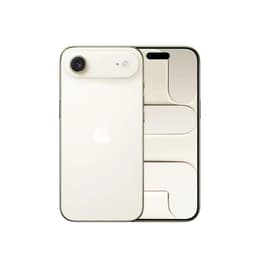
The Samsung Galaxy Z Fold6 (2024) and the Apple iPhone Air (2025) represent two distinct approaches to modern mobile engineering. The Galaxy Z Fold6 functions as a versatile book-style foldable smartphone with a dual-screen layout, running on Android. Conversely, the iPhone Air prioritizes an ultra-slim slate form factor running on iOS. While both devices cater to users seeking modern mobile technology, they differ fundamentally in hardware design, screen configuration, and everyday usability.
Available Models
Colour
Storage
Scores
Durability
When examining hardware longevity and software support, both devices are built to remain functional for years through regular system updates and durable materials.
- Software Support Timeline: Both manufacturers provide extensive operating system updates and security patches, though their respective release years mean support windows will conclude at different times.
- Build and Repairability: The Galaxy Z Fold6 utilizes folding glass technology and an aluminum frame, while the iPhone Air features rigid titanium construction and reinforced glass, with both models requiring careful handling of their specialized exterior components.
- Practical Lifespan: Robust internal memory configurations and capable processors ensure that both devices maintain processing reliability over extended multi-year ownership cycles.
Release year
2024
2025
Compatible with latest Update
Yes
Yes
Operating system
Android
iOS
Foldable
Yes
No
Performance
Handling daily workflows, application loading, and demanding tasks depends heavily on internal memory and hardware optimization across both platforms.
- Multitasking and Memory: Both devices feature substantial onboard RAM allocations, allowing users to switch smoothly between multiple active applications without stuttering.
- System Responsiveness: High-tier processing hardware ensures rapid app launching, fluid interface navigation, and reliable handling of graphics-intensive tasks.
- Battery Behavior: Battery capacities vary due to physical thickness constraints, with larger foldable chassis accommodating different power profiles compared to ultra-thin slate housings, influencing how frequently each device requires replenishment during heavy usage days.
Screen quality
Display characteristics differ significantly based on the distinct mechanical layouts chosen by each manufacturer.
- Display Technology: The Galaxy Z Fold6 provides an adaptable dual-screen experience with an inner folding OLED panel and an outer cover screen, whereas the iPhone Air utilizes a single expansive OLED panel with a fixed, high-clarity layout.
- Visual Clarity and Refresh Rates: Both models support smooth high refresh rates for fluid scrolling and feature high peak brightness levels for outdoor visibility under direct sunlight.
- Viewing Experience: The folding device suits multi-window workflows and expanded media viewing, while the slim slate alternative offers a traditional, uninterrupted widescreen surface.
Resolution
1856x2160
2736x1260
Screen type
Foldable Dynamic LTPO AMOLED 2X
Super Retina XDR
Audiovisual
Optics and media playback capabilities reflect each device's structural priorities and internal space allocations.
- Camera Systems: The Galaxy Z Fold6 incorporates a multi-lens rear array featuring wide, ultra-wide, and telephoto options, while the iPhone Air streamlines photography through a single high-resolution wide lens configuration.
- Video and Low-Light Output: Both smartphones capture detailed video footage and process low-light scenes effectively, though the multi-lens setup offers greater framing versatility for distant subjects.
- Audio and Media Output: Stereo speaker configurations deliver clear sound for casual media consumption, though physical depth limitations shape the overall acoustic resonance of each model.
Main camera
50 megapixels
48 megapixels
Front camera
4 megapixels
18 megapixels
Miscellaneous
Everyday practical features, connectivity standards, and physical handling traits define how these devices integrate into daily routines.
- Connectivity and Ports: Both models support rapid wireless standards and fifth-generation cellular networks, utilizing modern USB-C connection ports for charging and data transfer.
- Security and Biometrics: Secure authentication is handled via facial recognition or integrated fingerprint sensors depending on the specific model architecture.
- Dimensions and Handling: The Galaxy Z Fold6 offers a dual-form factor that transitions from a compact phone to a small tablet, whereas the iPhone Air emphasizes an exceptionally lightweight and thin profile for effortless pocketability.
Weight
239 oz
165 oz
Screen size (in)
7.6
6.5
Network
5G
5G
SIM card
Physical SIM + eSIM
eSIM
Carrier compatibility
Unlocked
Unlocked
What the community thinks
User discussions across community forums frequently highlight the Galaxy Z Fold6 for its expansive multi-tasking workspace and flexible screen layout, though some users note the heavier weight and visible crease as trade-offs. Meanwhile, community feedback praises the iPhone Air for its remarkably thin profile and comfortable everyday carry, with some users noting the single-camera system and battery capacity constraints as limitations during extended media sessions.
Users prioritizing expanded screen space for productivity and multitasking will find the Galaxy Z Fold6 well-suited to their workflow, while users prioritizing an ultra-lightweight profile and a traditional single-screen layout may lean toward the iPhone Air. Selecting either quality-assured refurbished option from Back Market also allows consumers to make a sustainable choice without compromising on processing capability or modern features.