
Compare models
Galaxy S26 Ultra vs iPhone 16 Pro Max
- 1-year warranty
- Free standard shipping
- Free 30-day returns
Differences at a glance
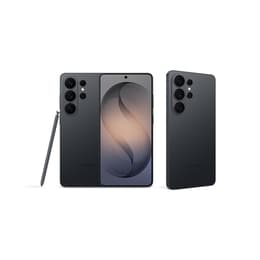
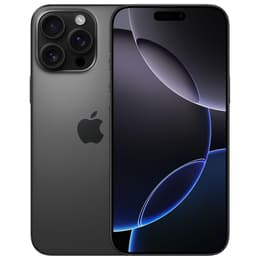
The Samsung Galaxy S26 Ultra (2026) and the Apple iPhone 16 Pro Max (2024) represent the pinnacle of modern smartphone engineering, offering high-end capabilities for demanding mobile users. While they operate on different software ecosystems with distinct interfaces, both flagships deliver expansive viewing areas, versatile camera setups, and heavy-duty processing power. A primary differentiator lies in their hardware ecosystems and daily utility features, with Samsung integrating advanced stylus support and Apple emphasizing seamless desktop-class mobile workflows.
Available Models
Colour
Storage (GB)
Scores
Durability
When evaluating long-term viability, both devices are designed to withstand years of regular daily use while receiving consistent system updates.
- Software Support Timelines: Both manufacturers provide extended system and security update schedules spanning multiple years, ensuring both handsets remain current and secure over their lifecycle.
- Build Durability: Each device utilizes hardened exterior glass and robust metal frames designed to resist everyday wear and accidental drops, matching the standards expected of high-end consumer technology.
- Repairability and Lifecycle: Opting for a quality-assured refurbished option from Back Market extends the operational lifecycle of these devices while offering a sustainable choice that reduces electronic waste.
Release year
2026
2024
Foldable
No
No
Performance
Under heavy workloads, both devices deliver swift system responsiveness, smooth multitasking, and rapid app loading times.
- Multitasking and Processing: Current-generation processors handle demanding mobile games, intensive creative applications, and background tasks simultaneously without noticeable slowdowns or thermal throttling.
- Battery Behavior: Both models accommodate full-day usage under mixed conditions, though heavy media streaming or constant navigation may require a midday recharge depending on individual usage habits.
- Storage Management: Generous base storage configurations and high-capacity RAM tiers ensure seamless switching between multiple active tasks and ample space for large media libraries.
Screen quality
Visual immersion is a core strength for both flagships, utilizing advanced display technologies to maximize clarity and vibrancy.
- Display Technology: Both models feature bright OLED screens that produce deep blacks, vivid color replication, and sharp text rendering across all lighting conditions.
- Outdoor Visibility: High peak brightness levels ensure that content remains legible even under direct sunlight, while adaptive refresh rates dynamically scale smoothness depending on the active application.
- Viewing Area: Expansive screen real estate with minimal bezels provides an immersive canvas for movie watching, document editing, and photo browsing.
Resolution
1440x3120
1320 x 2868
Audiovisual
Imaging capabilities on these devices cater to both casual photographers and those seeking detailed manual controls.
- Multi-Lens Versatility: Both setups feature primary, ultra-wide, and telephoto lenses that capture crisp details across varying focal lengths, from sweeping landscapes to distant subjects.
- Low-Light Performance: Advanced sensor hardware and image processing algorithms brighten dark environments while preserving natural tones and minimizing visual noise.
- Video and Audio: High-resolution video recording modes, steady stabilization features, and clear multi-microphone setups make both handsets well-equipped for capturing crisp home videos and media creation.
Miscellaneous
Practical daily features and physical handling characteristics shape how each device fits into a user's routine.
- Connectivity Standards: Both handsets support rapid 5G network speeds, advanced Wi-Fi protocols, and reliable Bluetooth connectivity for seamless peripheral pairing.
- Authentication and Security: Secure biometric options including facial recognition and in-display fingerprint sensors allow for quick, frictionless device unlocking and secure mobile payments.
- Physical Dimensions: Large screen sizes result in substantial physical footprints, meaning users with smaller hands may require two-handed operation for comfortable reach across the interface.
Weight
214 oz
227 oz
Screen size (in)
6.9
6.9
Network
5G
5G
SIM card
Physical SIM + eSIM
eSIM
Carrier compatibility
Unlocked
Unlocked
What the community thinks
Users prioritizing deep software integration within the Apple ecosystem often lean toward the iPhone 16 Pro Max, praising its smooth video tools and consistent app optimization. Conversely, users who prefer expansive multi-window multitasking and integrated stylus functionality frequently gravitate toward the Galaxy S26 Ultra for its daily productivity advantages. Real-world feedback notes that both devices offer exceptional display clarity and dependable longevity, though their large physical sizes require some adjustment for pocketability and one-handed use. Choosing between them depends largely on personal preference for operating systems and accessory compatibility rather than raw execution speed. For consumers seeking sustainable technology alternatives, choosing a quality-assured refurbished option provides a reliable and environmentally conscious path to owning either of these advanced flagship smartphones.