
Compare models

Galaxy Z Flip7 vs iPhone Air

  • 1-year warranty
  • Free standard shipping
  • Free 30-day returns
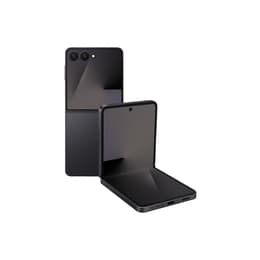
Galaxy Z Flip7
Starting at

Refurbished price:A$840.00

Versus A$1,799.00 new

See options
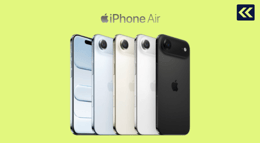
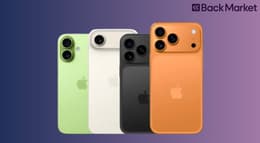
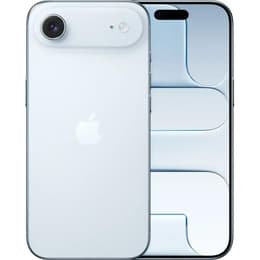
iPhone Air
Starting at

Refurbished price:A$1,061.00

Versus A$1,899.00 new

See options

Differences at a glance

The Samsung Galaxy Z Flip7 (2025) and the Apple iPhone Air (2025) represent two distinct visions for modern smartphone design, contrasting a compact folding form factor with an ultra-slim slate construction. While the Galaxy Z Flip7 features a versatile folding display running Android, the iPhone Air prioritizes a lightweight, exceptionally thin profile powered by iOS. Both models cater to users seeking unique physical designs without compromising on core daily capabilities.

Available Models

Colour

Storage (GB)

Scores

Durability

Both devices feature modern build standards and robust update support schedules, though their physical construction introduces different long-term considerations.

  • Software longevity: Both platforms receive multi-year operating system updates and security patches to ensure long-term usability.
  • Hardware resilience: The iPhone Air utilizes a rigid titanium frame and reinforced glass, whereas the Galaxy Z Flip7 features a folding inner screen mechanism that requires mindful handling over years of use.
  • Repairability ecosystem: Both manufacturers provide structured repair frameworks, with traditional slate designs generally offering straightforward component swaps compared to folding hinge assemblies.

Release year

2025

2025

Operating system

Android

iOS

Foldable

Yes

No

Performance

Equipped with capable processing hardware and ample system memory, both smartphones handle daily tasks, navigation, and demanding applications smoothly.

  • Multitasking and responsiveness: Both devices switch between intensive applications seamlessly, maintaining stable frame rates and prompt system feedback.
  • Battery behavior: The Galaxy Z Flip7 houses a split battery arrangement to power its dual displays, while the iPhone Air relies on a thin-profile energy cell optimized for power efficiency during typical day-to-day use.
  • Storage configurations: Both models offer generous baseline storage tiers to accommodate large media libraries and offline files without frequent cleanup.

Screen quality

Display engineering is a primary focus for both models, utilizing advanced panel technology to deliver bright and clear visuals.

  • Panel technology: The Galaxy Z Flip7 uses a folding organic light-emitting diode main panel alongside an expansive outer cover screen, whereas the iPhone Air features a large, flat organic light-emitting diode display with an adaptive refresh rate.
  • Outdoor visibility: Both screens reach high peak brightness levels, ensuring content remains legible under direct sunlight.
  • Visual smoothness: High refresh rate support ensures fluid scrolling, responsive touch tracking, and smooth animation transitions across both interfaces.

Resolution

1080x2520

2736x1260

Audiovisual

Imaging capabilities are tailored to different shooting preferences, balancing versatile multi-lens arrays against streamlined single-lens setups.

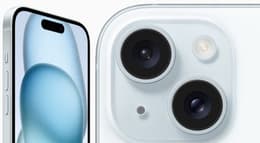
  • Camera systems: The Galaxy Z Flip7 features a dual-lens rear setup including wide and ultra-wide options, while the iPhone Air opts for a single high-resolution primary fusion sensor.
  • Low-light photography: Both devices employ advanced image processing to capture balanced exposures and controlled noise levels in dim environments.
  • Media consumption: Built-in stereo speaker configurations provide clear audio output for casual video viewing, voice calls, and media playback.

Miscellaneous

Practical daily usability elements vary significantly between these two distinct hardware form factors.

  • Physical handling: The Galaxy Z Flip7 folds into a compact square that slips easily into small pockets, whereas the iPhone Air offers a wide, ultra-thin slate profile that distributes weight evenly in the hand.
  • Biometric security: The Galaxy Z Flip7 relies on a side-mounted fingerprint sensor and facial recognition, while the iPhone Air utilizes facial mapping technology exclusively.
  • Connectivity standards: Both models support current-generation wireless networks, high-speed Wi-Fi protocols, and dual-SIM functionality via digital eSIM technology.

Weight

188 oz

165 oz

Screen size (in)

6.9

6.5

Network

5G

5G

SIM card

Physical SIM + eSIM

eSIM

Carrier compatibility

Unlocked

Unlocked

What the community thinks

Consumer feedback highlights distinct preferences for each device based on physical format and ecosystem loyalty. Users frequently praise the Galaxy Z Flip7 for its compact folded footprint and useful cover screen functionality, though some note that the folding crease remains visible during media consumption. Conversely, users commend the iPhone Air for its remarkable thinness and lightweight feel in the hand, while pointing out that the single-camera setup offers less optical versatility than multi-lens alternatives. Choosing a quality-assured refurbished option through sustainable platforms like Back Market provides an eco-friendly alternative for acquiring either device.

Users prioritizing pocket-friendly portability and versatile folding angles may prefer the Galaxy Z Flip7, while users prioritizing an expansive, ultra-slim traditional screen layout will find the iPhone Air well-suited to their needs. Reviewing personal priorities regarding hardware shape and operating system preferences will ultimately guide the right decision.