
Compare models

Galaxy Z Fold7 vs Google Pixel 6a

  • 1-year warranty
  • Free standard shipping
  • Free 30-day returns
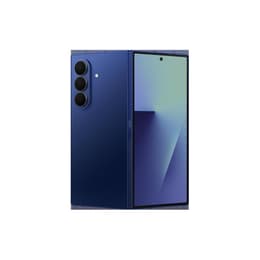
Galaxy Z Fold7
Starting at

Refurbished price:A$1,300.00

Versus A$2,499.00 new

See options
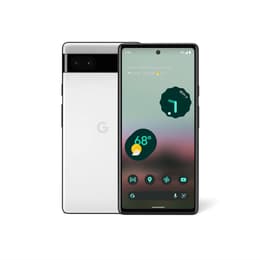
Google Pixel 6a
Starting at

Refurbished price:A$318.00

Versus A$569.00 new

See options

Differences at a glance

The Samsung Galaxy Z Fold7 (2025) and the Google Pixel 6a (2022) represent two completely different approaches to modern smartphone engineering. While the Galaxy Z Fold7 is a contemporary book-style foldable device featuring dual screens and expansive workspace potential, the Google Pixel 6a is a compact, traditional candy-bar smartphone designed for everyday simplicity. They operate on the Android operating system, though their physical form factors and hardware generations create vastly distinct user experiences.

Available Models

Colour

Storage (GB)

Scores

Durability

When examining longevity and structural lifespan, these devices occupy different eras of mobile technology, resulting in contrasting expectations for long-term usage.

  • Release timeline and support: The Galaxy Z Fold7 benefits from a much more recent release year, paired with an extended software support window designed to last for several years. The Google Pixel 6a launched earlier, meaning its official software update timeline is closer to completion.
  • Hardware durability: The Galaxy Z Fold7 incorporates sophisticated folding hinge mechanisms and protective glass layers suited for a modern flagship foldable format. The Google Pixel 6a utilizes a traditional rigid unibody frame with standard water and dust resistance ratings suited for daily handling.
  • Repairability and practical lifespan: Foldable screens require careful handling over time, whereas traditional rigid phones like the Pixel series offer simpler maintenance profiles for standard wear and tear.

Release year

2025

2022

Foldable

Yes

No

Performance

Underneath their exteriors, both smartphones handle daily tasks differently based on their internal hardware configurations and multitasking capabilities.

  • Processor capability and multitasking: The Galaxy Z Fold7 utilizes a current-generation processor paired with abundant RAM capacity, handling intense multitasking, split-screen applications, and demanding mobile games with high fluidity. The Google Pixel 6a runs on an older custom processor that manages standard web browsing, messaging, and casual applications smoothly, though heavy gaming may show limitations.
  • Storage capacity: The Galaxy Z Fold7 offers high-tier storage configurations starting at higher base capacities, whereas the Google Pixel 6a provides a standard fixed storage tier sufficient for everyday apps and media.
  • Battery behavior: The Galaxy Z Fold7 manages energy across two separate screens, requiring balanced power distribution for the inner display. The Pixel 6a features a modest battery capacity that easily powers its single, smaller screen through a standard day of moderate use.

Screen quality

Display technology is one of the most defining differentiators when comparing a folding flagship to a standard compact smartphone.

  • Display architecture: The Galaxy Z Fold7 features two screens, including a wide outer cover display for quick interactions and a massive inner foldable display that transforms the device into a tablet-like workspace. The Google Pixel 6a relies on a single, traditional flat screen with a fixed diagonal measurement.
  • Panel technology and clarity: Both models utilize advanced organic light-emitting diode technology, delivering deep blacks, high contrast ratios, and sharp resolutions for everyday media consumption.
  • Brightness and refresh rate: The Galaxy Z Fold7 achieves high peak brightness levels for outdoor visibility and supports a high refresh rate for smooth scrolling. The Pixel 6a features a standard refresh rate and adequate outdoor brightness for daily viewing tasks.

Resolution

1968x2184

1080 x 2400

Audiovisual

Multimedia capture and audio output vary significantly between these two device categories, catering to different photography preferences.

  • Camera systems: The Galaxy Z Fold7 is equipped with a versatile triple-lens rear setup, including a high-resolution primary sensor, an ultra-wide lens, and a telephoto lens with optical zoom. The Google Pixel 6a relies on a dual-lens rear system that utilizes advanced computational photography software to produce natural-looking portraits and balanced low-light images.
  • Video and audio output: The Galaxy Z Fold7 supports high-resolution video recording formats and delivers stereo sound through balanced built-in speakers. The Pixel 6a provides reliable standard video capture and clear audio suitable for hands-free calls and casual video watching.
  • Selfie capabilities: The folding Samsung device includes multiple front-facing camera options situated on both the cover and inner screens, while the Pixel 6a features a single dependable front camera housed in a punch-hole cutout.

Miscellaneous

Practical daily usability elements, connectivity standards, and physical dimensions shape how each phone fits into routine habits.

  • Connectivity and ports: Both smartphones support modern fifth-generation cellular networks, reliable Wi-Fi standards, and Bluetooth pairing, utilizing reversible charging and data ports without traditional headphone jacks.
  • Security sensors: The Galaxy Z Fold7 integrates fingerprint recognition on the side power key alongside facial recognition options. The Google Pixel 6a features an under-display fingerprint sensor for secure unlocking.
  • Physical dimensions and handling: The Google Pixel 6a offers a lightweight, narrow form factor that rests comfortably in a single hand. In contrast, the Galaxy Z Fold7 provides a pocketable folded profile that unfolds into a much larger device, carrying a heavier weight distribution due to its dual-screen hardware.

Weight

215 oz

250 oz

Screen size (in)

8.0

6.1

SIM card

Dual Physical SIM + eSIM

Physical SIM + eSIM

Carrier compatibility

Unlocked

Unlocked

What the community thinks

Users evaluating these models will find that their choice depends entirely on physical format preferences and daily productivity needs. Users prioritizing a compact, straightforward smartphone experience for messaging, casual photography, and one-handed navigation will find the Google Pixel 6a well-suited to their routine. Conversely, users who require an expansive multi-window workspace, advanced multitasking capabilities, and a tablet-sized screen in a pocketable device will lean toward the Galaxy Z Fold7.

Public feedback highlights the Pixel 6a for its reliable everyday simplicity and intuitive software layout, while users often praise the Galaxy Z Fold7 for its multitasking flexibility and updated widescreen cover display. Choosing a quality-assured refurbished option through platforms like Back Market provides an eco-friendly, sustainable path to acquiring these devices while reducing electronic waste. Ultimately, weighing whether a traditional single-screen format or an innovative folding design matches your daily workflow will guide your final decision.