
Compare models

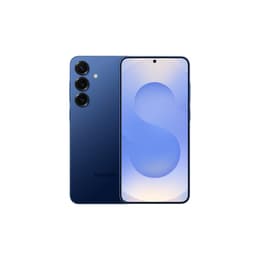
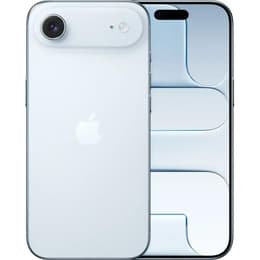
Galaxy S25+ vs iPhone Air

  • 1-year warranty
  • Free standard shipping
  • Free 30-day returns
Galaxy S25+
Starting at

Refurbished price:A$800.00

Versus A$1,699.00 new

See options
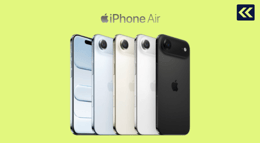
iPhone Air
Starting at

Refurbished price:A$1,061.00

Versus A$1,899.00 new

See options

Differences at a glance

The Samsung Galaxy S25+ (2025) and the iPhone Air (2025) represent two distinct approaches to modern smartphone engineering, balancing high-end capabilities with unique form factors. While the Galaxy S25+ provides a traditional, feature-rich large-screen experience on the Android platform, the iPhone Air focuses on a remarkably slim profile running iOS. Choosing between these devices involves weighing distinct design philosophies, software ecosystems, and daily usability preferences.

Available Models

Colour

Storage (GB)

Scores

Durability

Both smartphones are built to remain relevant for years, though their update timelines and repair considerations differ based on their release schedules and hardware design.

  • Software longevity: Both manufacturers provide multi-year operating system updates and security patches, helping ensure the devices stay secure and functional over an extended ownership period.
  • Hardware resilience: The Galaxy S25+ utilizes robust aluminum and reinforced glass construction, whereas the iPhone Air relies on a slim titanium frame and specialized protective glass engineered for durability despite its thin profile.
  • Repairability and support: Both models benefit from structured manufacturer service options and growing availability as a quality-assured refurbished option, supporting long-term usability and sustainability.

Release year

2025

2025

Operating system

Android

iOS

Foldable

No

No

Performance

Equipped with powerful current-generation processors and substantial memory configurations, both devices handle intensive daily demands smoothly.

  • Multitasking and app switching: High RAM capacities on both models allow seamless toggling between demanding productivity apps, browser tabs, and background processes without stuttering.
  • Gaming and heavy workloads: Advanced cooling designs and high-performance processors ensure that graphics-heavy games and resource-intensive tasks run fluidly over extended sessions.
  • Battery endurance: The Galaxy S25+ houses a larger battery capacity suitable for long days of heavy use, while the iPhone Air balances a slim battery footprint with efficient power management to navigate daily routines.

Screen quality

Display technology is a major strong point for both models, offering sharp visuals and high brightness for diverse lighting conditions.

  • Panel technology: Both devices feature advanced OLED screens with deep black levels, high contrast ratios, and vivid color reproduction for media consumption and reading.
  • Outdoor visibility: High peak brightness capabilities on both screens ensure content remains easily legible even under direct sunlight.
  • Motion smoothness: High refresh rate support allows for fluid scrolling through web pages, social feeds, and system menus across both handsets.

Resolution

1440x3120

2736x1260

Audiovisual

Optics and media playback vary significantly in configuration, catering to different photography styles and multimedia preferences.

  • Camera versatility: The Galaxy S25+ features a multi-lens rear array including telephoto zoom capabilities, whereas the iPhone Air streamlines photography with a single high-resolution main sensor.
  • Video and low-light performance: Both phones capture detailed video footage with robust stabilization and produce clear low-light images through automated processing software.
  • Audio output: Speaker systems on both units deliver clear sound for calls and casual media viewing, though internal space constraints alter acoustic resonance slightly between the two form factors.

Miscellaneous

Practical everyday features, connectivity standards, and physical handling characteristics define how each phone fits into daily life.

  • Connectivity and ports: Both devices support modern 5G networks, fast Wi-Fi standards, and reliable Bluetooth connectivity, utilizing USB-C ports for charging and data transfer.
  • Biometric security: The Galaxy S25+ incorporates an under-display fingerprint sensor alongside facial recognition, while the iPhone Air relies on advanced face recognition technology.
  • Physical handling: The Galaxy S25+ offers a traditional, substantial feel in the hand, whereas the iPhone Air prioritizes an exceptionally thin and lightweight chassis that minimizes pocket bulk.

Weight

190 oz

165 oz

Screen size (in)

6.7

6.5

Network

5G

5G

SIM card

Physical SIM + eSIM

eSIM

Carrier compatibility

Unlocked

Unlocked

What the community thinks

Choosing between the Samsung Galaxy S25+ and the iPhone Air depends primarily on personal preference for operating systems and physical design. Users who prioritize a versatile multi-lens camera setup, expandable multitasking flexibility, and a traditional heavier build often gravitate toward the Galaxy S25+ ecosystem. Conversely, users who favor an exceptionally lightweight, ultra-slim profile coupled with iOS will find the iPhone Air well-suited to their daily routines. Buyers looking to make an eco-friendly choice can explore quality-assured refurbished options for either model, reducing environmental impact while accessing premium technology. Ultimately, evaluating daily workflow needs and preferred software environments will point toward the right device.