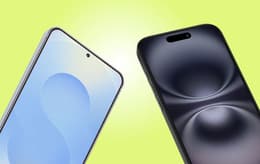
Compare models

Galaxy S25 Edge vs iPhone Air

  • 1-year warranty
  • Free standard shipping
  • Free 30-day returns
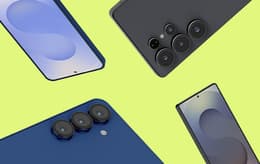
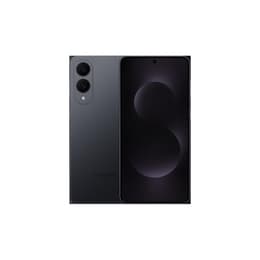
Galaxy S25 Edge
Starting at

Refurbished price:A$739.00

Versus A$2,149.00 new

See options
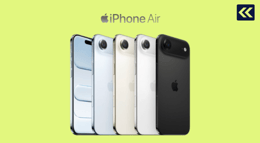
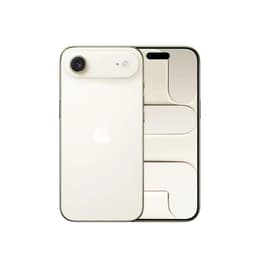
iPhone Air
Starting at

Refurbished price:A$1,099.00

Versus A$1,899.00 new

See options

Differences at a glance

The Samsung Galaxy S25 Edge (2025) and the Apple iPhone Air (2025) represent a shift toward ultra-slim, lightweight engineering in the premium smartphone category. While both devices prioritize minimalist profiles without sacrificing flagship utility, they diverge in operating systems, display dimensions, and core interface philosophies. The Samsung Galaxy S25 Edge runs on the Android ecosystem with custom multitasking features, whereas the iPhone Air operates on iOS with deep integration into the Apple environment. Choosing between them depends largely on personal preference for software environments and physical ergonomics.

Available Models

Colour

Storage

Scores

Durability

Both smartphones feature modern construction and long-term support windows designed to keep software secure and functional for years of daily use.

  • Software Support: Both manufacturers provide extensive multi-year software and security update commitments, ensuring prolonged relevancy for future applications.
  • Build Durability: The devices use advanced scratch-resistant glass panels and titanium-infused frames, though users choosing a quality-assured refurbished option can also benefit from extended hardware life cycles.
  • Repairability: Both models feature sealed internal components that require professional assistance for major component replacements, maintaining standard water and dust resistance ratings.

Release year

2025

2025

Operating system

Android

iOS

Foldable

No

No

Performance

Equipped with current-generation processors and robust memory configurations, both handsets handle intensive everyday workflows smoothly.

  • System Responsiveness: App switching, multitasking, and demanding mobile gaming execute without noticeable stutter thanks to high-end processing hardware and ample random access memory.
  • Battery Behavior: Due to their remarkably thin profiles, battery capacities are moderate, meaning heavy users who stream video or navigate frequently throughout the day may need a midday top-up.
  • Storage Capacity: Both devices offer generous starting storage configurations for media libraries and applications, though neither supports expandable storage via memory cards.

Screen quality

The display assemblies on both models deliver sharp visuals, deep contrast ratios, and high peak brightness levels for comfortable outdoor viewing.

  • Display Technology: Both use vibrant organic light-emitting diode panels with adaptive refresh rates reaching up to 120Hz for fluid scrolling and motion handling.
  • Resolution and Size: The Samsung model features a slightly larger 6.7-inch panel with a very high pixel density, while the Apple model utilizes a 6.5-inch display featuring its signature notification interface cutout.
  • Outdoor Usability: High maximum brightness outputs ensure content remains legible under direct sunlight, supported by automatic tone adjustment for changing ambient light.

Resolution

1440x3120

2736x1260

Audiovisual

Imaging capabilities on these slim devices balance high-resolution main sensors with advanced computational photography tools.

  • Photography Performance: The Samsung device relies on a very high-megapixel main sensor for detailed everyday shots, while the Apple model uses a balanced fusion camera system optimized for rapid processing and realistic color reproduction.
  • Video Recording: Both handsets support high-definition video capture formats with advanced stabilization features to minimize shake during movement.
  • Audio and Calls: Integrated multi-microphone arrays provide clear voice pickup during calls, while the built-in speaker systems deliver balanced audio for casual media consumption.

Miscellaneous

Physical handling and ecosystem compatibility define the practical day-to-day experience of using these slim form-factor devices.

  • Dimensions and Weight: Weighing roughly the same and measuring under six millimeters in thickness, both options offer exceptional pocketability and lightweight handling.
  • Connectivity: Both models incorporate fast wireless standards, fifth-generation cellular capability, and near-field communication for digital transactions.
  • Security Sensors: Biometric authentication differs between the two, with the Android device utilizing an in-display fingerprint scanner and the iOS device relying on facial recognition technology.

Weight

163 oz

165 oz

Screen size (in)

6.7

6.5

Network

5G

5G

SIM card

Physical SIM + eSIM

eSIM

Carrier compatibility

Unlocked

Unlocked

What the community thinks

Community discussions indicate that users appreciate both devices for successfully packing flagship capabilities into remarkably thin and light chassis without sacrificing core performance. Common points of discussion include the trade-off between slim physical profiles and moderate battery capacities, which require regular charging routines for power users. Reviewers and owners frequently highlight the visual clarity of the displays and the snappy execution of daily tasks as major strengths for both models.

Users prioritizing a larger workspace and custom file management tools often lean toward the Samsung Galaxy S25 Edge, while those deeply integrated into the iOS ecosystem who value streamlined cross-device syncing may prefer the iPhone Air. Exploring a quality-assured refurbished option can also provide an eco-friendly alternative for buyers seeking these slim flagship models sustainably. Ultimately, the decision rests on whether preferred operating system features and screen dimensions align better with personal workflow habits.