
Galaxy S21 FE 5G vs iPhone 13 Pro Max

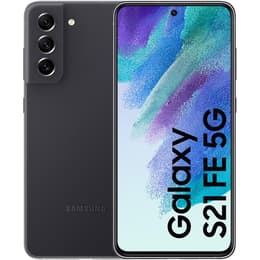
Galaxy S21 FE 5G
Galaxy S21 FE 5G
Starting at

Refurbished price:A$303.70

Versus A$1,252.00 new

See options
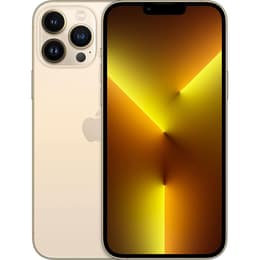
iPhone 13 Pro Max
iPhone 13 Pro Max
Starting at

Refurbished price:A$581.00

Versus A$1,689.00 new

See options

Ratings

The Samsung Galaxy S21 FE 5G, released in January 2022, and the Apple iPhone 13 Pro Max, launched in September 2021, represent two distinct approaches to high-performance smartphones. While both offer advanced features and robust capabilities, they cater to different user preferences through their respective operating systems and hardware philosophies. The Galaxy S21 FE 5G runs on Android, providing a customizable experience, whereas the iPhone 13 Pro Max operates on iOS, known for its integrated ecosystem and streamlined interface. Key differentiators include display technology, camera systems, and overall device size and weight.

Scores

Durability

When considering the long-term usability of these devices, their release timelines and software support policies are important factors.

  • Release Timeline: The iPhone 13 Pro Max was released in September 2021, preceding the Galaxy S21 FE 5G, which launched in January 2022. This means the iPhone 13 Pro Max has been on the market for a few months longer.
  • Software Longevity: The iPhone 13 Pro Max is expected to receive iOS updates for approximately 5-6 years from its release, potentially extending its software support into late 2026 or 2027. The Galaxy S21 FE 5G, launching with Android 12, is anticipated to receive four major Android OS upgrades, bringing it up to Android 16, with security updates continuing for at least four years, and potentially longer on a quarterly schedule.
  • Practical Lifespan: Both devices are built with durability in mind, featuring IP68 ratings for dust and water resistance. The iPhone 13 Pro Max incorporates a Ceramic Shield front cover for enhanced drop performance, while the Galaxy S21 FE 5G uses Gorilla Glass Victus. Users often report that the iPhone 13 Pro Max remains a highly capable device several years after its release, with some expecting to use it for another 2-3 years.

Release year

2022

2021

Compatible with latest Update

Yes

Yes

Operating system

Android

iOS

Foldable

No

No

Performance

Both smartphones deliver strong performance for daily tasks and demanding applications, though they achieve this through different hardware and software optimizations.

  • Processing Power: The iPhone 13 Pro Max features a powerful current-generation processor that handles intensive applications and graphics-heavy games with ease, maintaining smooth operation even under significant load. The Galaxy S21 FE 5G is equipped with a high-end processor (Snapdragon 888 in most regions), providing snappy performance for everyday use, multitasking, and gaming.
  • Multitasking and Responsiveness: The iPhone 13 Pro Max offers a highly responsive user experience, with applications loading quickly and transitions appearing fluid. Its efficient hardware and software integration contribute to consistent performance. The Galaxy S21 FE 5G also provides a smooth experience for multitasking, allowing users to switch between apps without noticeable delays. However, some users have reported that the Galaxy S21 FE 5G can experience thermal throttling and get warm during prolonged heavy use, which can impact sustained performance.
  • Storage Options: The iPhone 13 Pro Max is available with various storage capacities, including a top-tier 1TB option, alongside 128GB, 256GB, and 512GB. The Galaxy S21 FE 5G offers 128GB or 256GB of internal storage, with RAM options of 6GB or 8GB.

Memory (GB)

8 GB

6 GB

Screen quality

The display is a primary interaction point for any smartphone, and both devices offer high-quality viewing experiences with distinct characteristics.

  • Display Technology and Clarity: The iPhone 13 Pro Max features a 6.7-inch Super Retina XDR OLED display, known for its deep blacks, vibrant colors, and high contrast ratio. It has a resolution of 2778-by-1284 pixels at 458 ppi, providing sharp and detailed visuals. The Galaxy S21 FE 5G comes with a 6.4-inch Dynamic AMOLED 2X display, offering vivid colors and excellent clarity with a 2340x1080 pixel resolution.
  • Brightness and Refresh Rate: Both phones feature adaptive refresh rates for smoother scrolling and improved responsiveness. The iPhone 13 Pro Max's ProMotion display can dynamically adjust its refresh rate from 10Hz to 120Hz, enhancing fluidity while conserving battery life. It reaches a typical maximum brightness of 1000 nits and a peak HDR brightness of 1200 nits, ensuring good visibility in various lighting conditions. The Galaxy S21 FE 5G also boasts an adaptive 10-120Hz refresh rate for smooth motion and scrolling, with a peak brightness of 1200 nits, making it suitable for outdoor use.
  • Viewing Experience: The larger screen of the iPhone 13 Pro Max provides an expansive canvas for media consumption and productivity. Both displays offer HDR support, delivering enhanced contrast and color for compatible content.

Resolution

1080 x 2340

1284 x 2778

Screen type

Dynamic AMOLED 2X

Super Retina XDR OLED

Audiovisual

Both devices offer advanced camera systems capable of capturing high-quality photos and videos, each with its own strengths and features.

  • Rear Camera System: The iPhone 13 Pro Max is equipped with a Pro 12MP triple camera system, including a wide, ultra-wide, and telephoto lens with 3x optical zoom. It excels in low-light conditions due to larger sensors and wider apertures, and features like Sensor-shift optical image stabilization on the wide lens contribute to sharper images. The Galaxy S21 FE 5G also features a versatile triple camera setup with a 12MP wide, 12MP ultra-wide, and an 8MP telephoto lens offering 3x optical zoom.
  • Photography Features: The iPhone 13 Pro Max includes advanced computational photography features such as Cinematic mode for video, Photographic Styles, and macro photography capabilities. Users praise its low-light performance and video quality. The Galaxy S21 FE 5G delivers good photo quality in various lighting, with strong video stabilization and 4K 60fps recording available on both front and rear cameras. Some users note that the ultra-wide lens on the S21 FE 5G might have inconsistent color profiles compared to the main sensor.
  • Front Camera: The iPhone 13 Pro Max features a 12MP front camera, while the Galaxy S21 FE 5G has a higher resolution 32MP front camera, both capable of capturing detailed selfies and high-quality video calls.

Main camera

12 megapixels

12 megapixels

Front camera

32 megapixels

12 megapixels

Miscellaneous

Beyond core performance, several practical elements contribute to the overall user experience and differentiate these two smartphones.

  • Connectivity and Ports: Both devices support 5G connectivity and Wi-Fi 6 for fast wireless internet. The iPhone 13 Pro Max uses Apple's proprietary Lightning port, while the Galaxy S21 FE 5G features a more universal USB-C 3.2 port. The Galaxy S21 FE 5G supports dual Nano SIMs, but lacks eSIM support, whereas the iPhone 13 Pro Max supports eSIM.
  • Biometric Security: The iPhone 13 Pro Max relies on Face ID for secure facial recognition. The Galaxy S21 FE 5G incorporates an optical in-display fingerprint sensor for biometric authentication, alongside face unlock.
  • Design and Handling: The iPhone 13 Pro Max is a larger and heavier device, weighing 240g with dimensions of 160.8 x 78.1 x 7.65 mm. Its stainless steel frame and Ceramic Shield front contribute to a robust feel. The Galaxy S21 FE 5G is lighter at 177g and slightly more compact at 155.7 x 74.5 x 7.9 mm, featuring an aluminum frame and a plastic back. Some users find the iPhone 13 Pro Max's weight and size to be cumbersome.

Weight

177 oz

238 oz

Screen size (in)

6.4

6.7

Network

5G

5G

SIM card

Physical SIM

Physical SIM + eSIM

Carrier compatibility

Unlocked

Unlocked

The Samsung Galaxy S21 FE 5G and the iPhone 13 Pro Max both offer compelling smartphone experiences, each with distinct advantages that appeal to different user needs. User feedback for the iPhone 13 Pro Max frequently highlights its exceptional battery life, often lasting up to two days for many users, and its powerful performance that handles demanding tasks effortlessly. Its camera system is also widely praised for its versatility, low-light capabilities, and advanced video features. However, some users find its size and weight to be a drawback.

For the Galaxy S21 FE 5G, common praise points include its vibrant AMOLED display with a smooth 120Hz refresh rate and its capable camera system that performs well in various conditions. Criticisms often revolve around battery life, which some users report as average, especially with heavy use and 5G enabled, sometimes requiring mid-day charging. Additionally, some users have noted heating issues, particularly with the Exynos variant, during prolonged use.

Users prioritizing extended battery life, top-tier sustained performance for intensive applications, and a highly refined camera system with advanced video capabilities may find the iPhone 13 Pro Max well-suited to their needs. Conversely, users who prefer the Android ecosystem's customization, a slightly lighter device, and a capable all-around smartphone experience might lean towards the Galaxy S21 FE 5G. Both devices offer robust features, and for those seeking a more sustainable choice, quality-assured refurbished options are available, providing an eco-friendly alternative to purchasing new.
See all articles

Our recent comparisons