Compare models
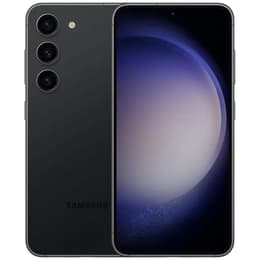
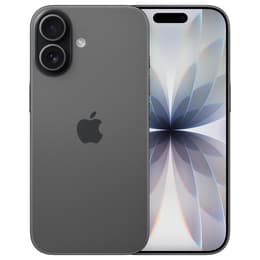
Galaxy S23 vs iPhone 17
- 1-year warranty
- Free standard shipping
- Free 30-day returns
Differences at a glance
The Samsung Galaxy S23 (2023) and the Apple iPhone 17 (2025) represent different generations of prominent mobile lineups. While they operate on separate mobile software platforms, Android and iOS respectively, both serve users seeking modern smartphone capabilities. A primary differentiator lies in their release timelines and ecosystem environments, influencing software timelines and day-to-day handling preferences.
Available Models
Colour
Storage (GB)
Scores
Durability
When examining hardware longevity and ongoing software support, both devices approach lifecycle management through different manufacturer update schedules and build resilience.
- Software Support Timelines: The iPhone 17 benefits from a later release year, positioning it to receive operating system updates further into the future compared to the Galaxy S23, which launched two years prior.
- Repairability and Build Quality: Both models utilize robust outer frames and glass protection designed to withstand daily wear, though repair accessibility varies depending on regional service networks and provider availability.
- Practical Lifespan: Users selecting a quality-assured refurbished option can expect several years of reliable daily performance from either device, depending on individual usage intensity and battery health maintenance.
Release year
2023
2025
Compatible with latest Update
Yes
Yes
Operating system
Android
iOS
Foldable
No
No
Performance
System performance and hardware execution dictate how each device handles everyday multitasking, heavy application loading, and power management.
- Storage and Multitasking: Both smartphones offer various internal storage tiers paired with sufficient random access memory to keep background applications active without noticeable stuttering.
- Battery Behavior: Battery endurance varies based on display settings and daily workloads, with both units engineered to navigate a standard daily routine before requiring a recharge.
- System Responsiveness: Application launching, web browsing, and switching between demanding programs happen smoothly and instantaneously on both platforms thanks to efficient hardware optimization.
Screen quality
Display technology defines the visual experience, affecting outdoor readability, color reproduction, and motion smoothness during media consumption.
- Display Technology: Both devices employ advanced light-emitting diode panels that deliver deep contrast levels, sharp text clarity, and vivid color representation for photos and videos.
- Brightness and Outdoor Visibility: High peak brightness capabilities ensure that screens remain legible under direct sunlight, reducing eye strain during outdoor navigation.
- Refresh Rate and Smoothness: High refresh rate support ensures fluid scrolling through web pages and documents, while screen sizes offer a balanced footprint for one-handed use and media viewing.
Audiovisual
Multimedia capture and audio output capabilities shape how users record memories, conduct video calls, and consume entertainment content.
- Camera Systems: Both smartphones incorporate multi-lens configurations featuring primary and ultra-wide sensors designed to capture detailed images across diverse lighting conditions.
- Video and Low-Light Recording: Advanced image stabilization software helps minimize blur during video recording, while dedicated processing modes enhance clarity in dimly lit environments.
- Audio Output: Built-in stereo speaker configurations provide clear dialogue for calls and adequate volume for casual media playback without requiring external speakers.
Front camera
12 megapixels
18 megapixels
Miscellaneous
Physical design factors, connectivity standards, and daily ergonomic details complete the practical profile of each device.
- Connectivity and Ports: Both models support modern high-speed cellular networks, current wireless internet protocols, and fast Bluetooth pairing, utilizing proprietary or universal connector ports for charging.
- Security Sensors: Secure authentication is handled via biometric verification methods, offering rapid device unlocking and secure payment authorization.
- Dimensions and Weight: Ergonomic sizing and weight distribution allow for comfortable pocket storage and extended handheld use without causing hand fatigue.
Weight
167 oz
177 oz
Screen size (in)
6.1
6.3
Network
5G
5G
SIM card
Dual Physical SIM + eSIM
Physical SIM + eSIM
Carrier compatibility
Unlocked
Unlocked
What the community thinks
Community discussions across online forums indicate that users appreciate the Galaxy S23 for its compact form factor, adaptable software ecosystem, and reliable daily performance. At the same time, community feedback highlights the iPhone 17 for its fluid software integration, extended future support window, and streamlined interface. Common discussions sometimes note hardware heating during intense tasks on both devices, though everyday operation remains steady for most users.
Users prioritizing deep customization, flexible file management, and a compact physical footprint may prefer the Galaxy S23. Conversely, users seeking long-term operating system updates and seamless integration within an established ecosystem may lean toward the iPhone 17. Selecting a sustainable choice like a quality-assured refurbished model allows buyers to access these capabilities while supporting eco-friendly technology consumption. Ultimately, the right choice depends on individual software preferences and daily workflow requirements.