
Compare models

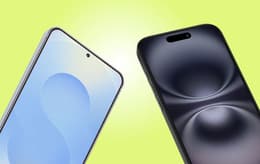
iPhone 16 vs iPhone 17

  • 1-year warranty
  • Free standard shipping
  • Free 30-day returns
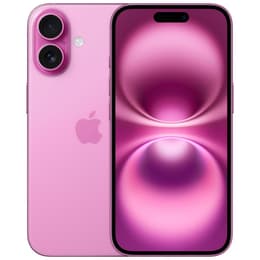
iPhone 16
Starting at

Refurbished price:A$915.00

Versus A$1,349.00 new

See options
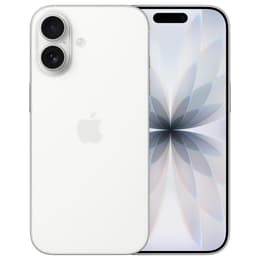
iPhone 17
Starting at

Refurbished price:A$1,229.00

Versus A$1,549.00 new

See options

Differences at a glance

The iPhone 16 (2024) and the iPhone 17 (2025) represent successive generations of Apple's flagship smartphone line, offering refined everyday capabilities within familiar form factors. While both devices run on iOS and share core design philosophies, the newer model introduces notable upgrades to display fluidity and processing efficiency. Understanding these generational differences helps users determine which device best aligns with their daily communication, media, and productivity needs.

Available Models

Colour

Storage

Scores

Durability

When evaluating structural longevity and software support, both models benefit from Apple's long-term device backing, though their release timelines place them a year apart.

  • Software Support: Both devices receive multi-year operating system updates, with the iPhone 17 enjoying an extra year of extended support due to its newer release date.
  • Build Durability: Both models feature robust glass backs, aluminum frames, and water-resistance ratings, though the iPhone 17 introduces an updated protective glass formulation over its predecessor.
  • Repairability: Both generations share modular internal layouts that support standardized component replacements, ensuring steady serviceability over their operational lifespan.

Release year

2024

2025

Compatible with latest Update

Yes

Yes

Foldable

No

No

Performance

Under everyday workloads, both devices handle routine tasks with ease, though internal hardware updates provide distinct operational advantages for heavy multitaskers.

  • Multitasking and Memory: Both options include generous random access memory, allowing seamless switching between social media apps, web browsers, and productivity tools without forced reloads.
  • Everyday Speed: The iPhone 17 features an updated processor generation that accelerates app launch times and improves thermal efficiency during extended usage sessions compared to the iPhone 16.
  • Battery Behavior: Both smartphones easily transition through a full day of mixed usage, while the newer internal architecture of the iPhone 17 yields subtle gains in power efficiency during video playback and navigation.

Screen quality

Visual output is a primary point of divergence between these two generations, shifting how text, video, and games are experienced day-to-day.

  • Refresh Rate and Motion: The iPhone 16 relies on a standard refresh rate, whereas the iPhone 17 introduces adaptive high-refresh-rate technology for smoother scrolling and animation clarity.
  • Outdoor Visibility: The iPhone 17 achieves higher peak outdoor brightness levels, making content easier to read under direct sunlight than on the iPhone 16.
  • Panel Dimensions: The iPhone 17 offers a slightly expanded screen real estate with narrower borders, providing a more immersive viewing frame while maintaining a similar physical footprint in the hand.

Audiovisual

Imaging capabilities on both smartphones cater well to casual photography, travel memories, and video recording, with iterative hardware updates on the newer model.

  • Main Photography: Both devices capture crisp, detailed photos in daylight and low-light environments using high-resolution main sensors and automatic processing tools.
  • Front-Facing Camera: The iPhone 17 upgrades the selfie camera resolution and integrates automated framing technology to keep users centered during video calls across various orientations.
  • Audio and Video: Both models record stable high-definition video with spatial audio capture, while built-in microphone arrays isolate voices clearly during calls and voice memos.

Front camera

12 megapixels

18 megapixels

Miscellaneous

Practical daily usability features, connectivity standards, and physical handling characteristics define how each device integrates into a user's routine.

  • Connectivity: Both models support modern wireless standards and high-speed mobile networks, with the iPhone 17 incorporating updated wireless networking hardware for faster local device pairing.
  • Physical Dimensions: Both phones share comparable weights and pocket-friendly dimensions, utilizing standard USB-C charging ports located at the base.
  • Security and Sensors: Both generations utilize facial recognition security for secure authentication and quick unlocking alongside standard motion and environmental sensors.

Weight

170 oz

177 oz

Screen size (in)

6.1

6.3

Network

5G

5G

SIM card

Physical SIM + eSIM

Physical SIM + eSIM

Carrier compatibility

Unlocked

Unlocked

Connector

USB-C (USB 2)

USB-C

What the community thinks

User feedback across community forums highlights distinct preferences for each generation. Owners of the iPhone 16 frequently praise its reliable battery performance, capable camera system, and dependable daily speed for messaging and media consumption. Meanwhile, users commenting on the iPhone 17 emphasize the noticeable visual fluidity provided by its upgraded display technology and enhanced brightness during outdoor use. Common criticisms for both models typically center on incremental yearly design changes rather than radical overhauls.

Users prioritizing fluid scrolling animations, higher outdoor screen visibility, and a slightly larger viewing area may prefer the iPhone 17. Conversely, users seeking a straightforward, highly capable communication tool without paying a premium for cutting-edge display refreshes will find the iPhone 16 well-suited to their needs. For consumers exploring sustainable technology choices, quality-assured refurbished options for both models provide an eco-friendly alternative that extends device life cycles without compromising on core performance.